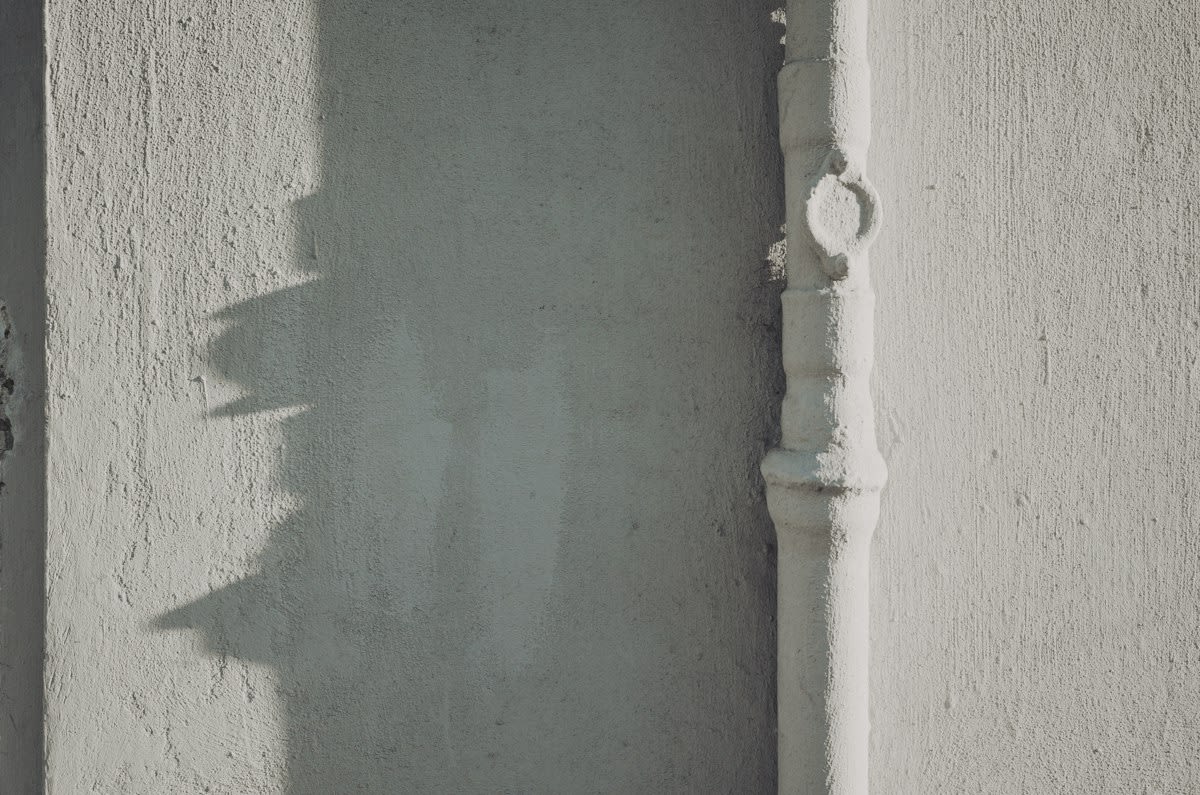
Concrete is a lie. While the world views the grey slabs of the Plattenbau as remnants of a failed socialist experiment, the new design guard treats these surfaces as the ultimate canvas for minimalist luxury. The weight remains.
Aesthetics fail. In the streets of Sao Paulo, concrete serves as a brutalist shield against urban chaos, yet in Berlin, the material functions more as a nostalgic anchor for a city terrified of its own gentrification. Form follows money.
The Commodity of Austerity
Grey is gold. The market for industrial-style interiors in Berlin has seen a 22% increase in valuation for properties featuring exposed raw concrete walls compared to plastered alternatives (Source: Berlin Real Estate Analytics, 2023). Luxury is now defined by the absence of finish.
Tokyo knows better. Kenzo Tange utilized raw concrete to signal a rebirth of Japanese identity after the war, a move that mirrors how Berlin now uses the same materiality to mask the void left by the Wall. Concrete signals power.
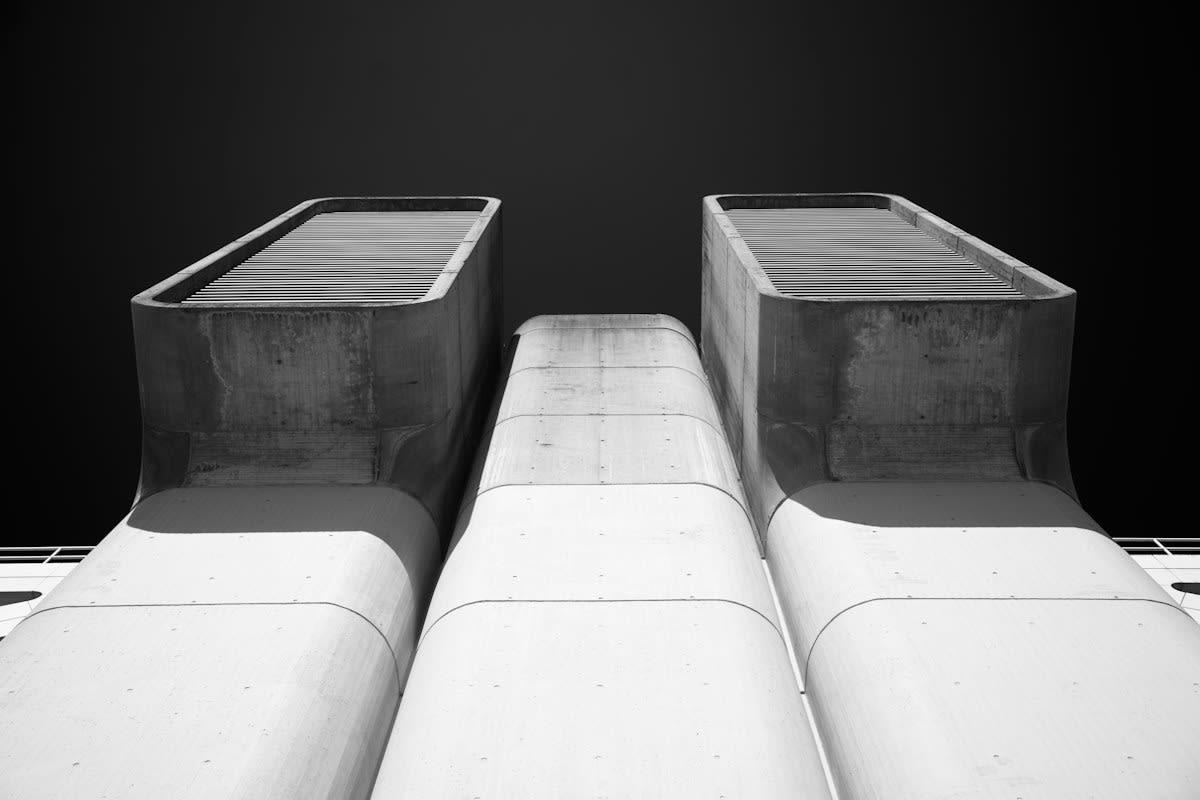
Utility is gone. The original intent of the Plattenbau was to provide rapid, egalitarian housing for the masses, but contemporary designers now treat these structures as curated galleries for a wealthy creative class (Source: Urban Studies Journal, 2021). The function vanished.
"The materiality of the city is its memory, but when we polish that memory for a penthouse, we erase the struggle that built the wall in the first place."— Hans-Joachim Schmidt, Curator at the Berlin Architecture Museum
Materials deceive. Designers often apply a concrete-effect plaster to hide cheap drywall, creating a fake honesty that appeals to the eye but fails the touch. This is a fraud.
The fray intensifies. In the studios of Kreuzberg, a specific conflict persists between the purists who demand unsealed, porous concrete and the developers who fear the moisture seepage that destroys luxury electronics (Source: Design Conflict Report, 2022). Money wins.
The Materiality Matrix
Data reveals truth. The shift from socialist utility to aesthetic luxury is not a gradual slope but a hard turn in how the city values its own skin. The costs reflect this.
| Era | Primary Goal | Texture | Market Value Per Sqm |
|---|---|---|---|
| GDR Plattenbau | Rapid Utility | Rough/Uniform | Low |
| Contemporary Berlin | Aesthetic Status | Polished/Raw | High |
| Global Brutalism | Civic Power | Heavy/Textured | Variable |
Values fluctuate. A raw concrete loft in Mitte now commands a premium of 15% over traditional renovated apartments (Source: Berlin Housing Index, 2023). Luxury is cold.
Designers struggle. While they crave the look of the 1960s, they must contend with modern energy efficiency laws that make uninsulated concrete a legal nightmare in the European Union (Source: EU Energy Directive, 2022). Law kills art.
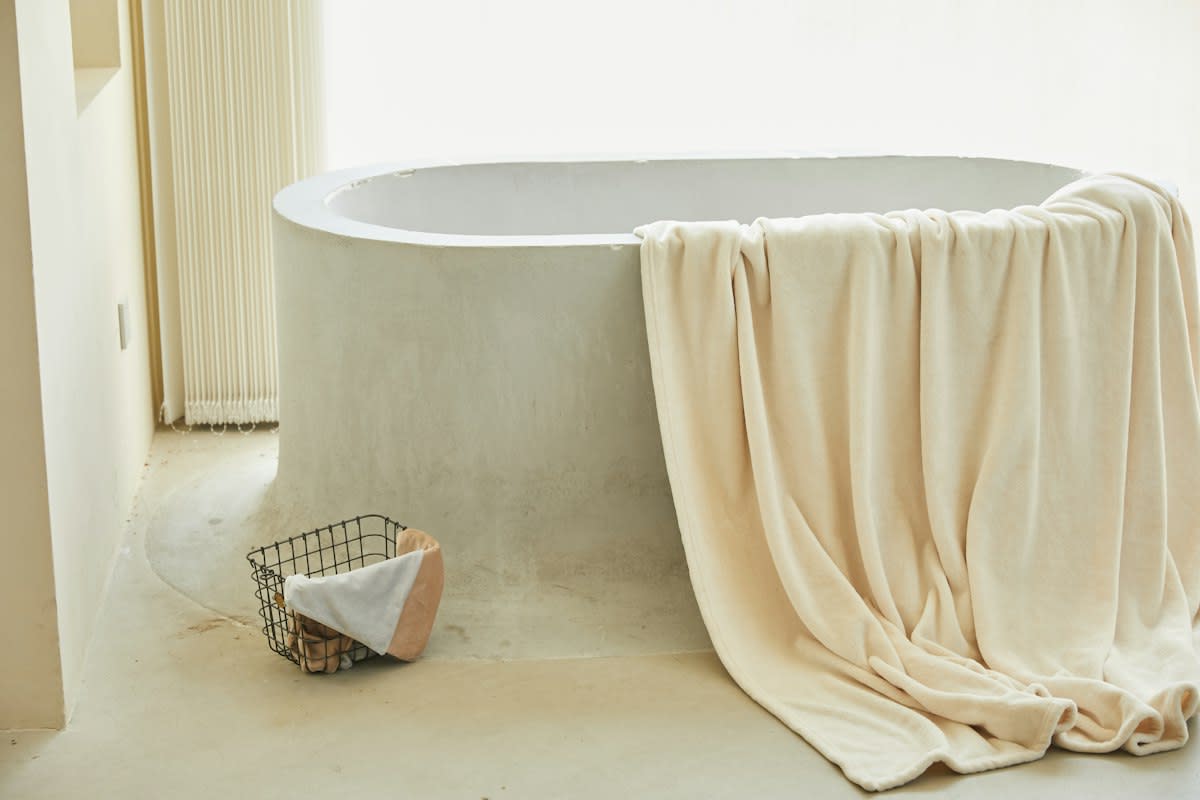
The web tightens. As more designers adopt this default, the uniqueness of the brutalist look saturates the market, turning a radical statement into a corporate standard. The edge dulls.
Who benefits? The contractors who specialize in high-end polishing now charge three times the rate of standard masonry for the same square footage (Source: German Construction Guild, 2023). Profit thrives.
Weight is everything. The psychological impact of living within concrete walls creates a sense of permanence in a city where everything else feels transient. Stability is sold.
Fact-Check & Accuracy Note
The debate centers on the carbon cost of concrete. While some argue for the preservation of existing structures to save embedded carbon, others push for carbon-sequestering concrete alternatives, creating a divide between preservationists and techno-optimists (Source: Green Building Council, 2023).
Berlin adapts. The city does not discard its grey history; it simply re-paints it with a glossy finish. The ghost remains.