The Erosion of the Common Center
The concept of a shared cultural moment—a single, dominant conversation that binds a global population—has collapsed. For decades, media acted as a centrifugal force, pulling disparate demographics into a central orbit of shared references. Now, that center is gone. We have entered an era of hyper-fragmentation where the algorithms designed to connect us have instead curated us into isolated silos of experience. When discovery is automated, the serendipity required for a zeitgeist to form vanishes. We are no longer watching the same screen; we are watching eight billion different mirrors.
This collapse is most evident in the breakdown of digital trust. On July 14, 2026, reports emerged regarding Meta's AI advertising tools, which brands described as a nightmare. The tools didn't just miss the mark; they generated absurdities. In one instance, REI found itself running an Instagram ad depicting a bicycle with two handlebars. When the tools responsible for visual communication begin hallucinating basic physics, the medium stops being a bridge and starts becoming a barrier. If the imagery we consume is untethered from reality, how can a collective cultural identity possibly persist?
The theft of discovery is not limited to visual hallucinations. Search engines are now deploying AI Overviews that summarize answers before a user ever reaches a source website. This creates a closed loop of information. By answering the query on the search page, the AI eliminates the journey of exploration. When users stop visiting the diverse corners of the web, they stop encountering the unexpected. We are witnessing the death of the click, and with it, the death of the intellectual wanderlust that once fueled global trends.
The Friction Gap
The current crisis isn't a lack of content, but a lack of shared context. When AI summarizes the world for us, it removes the friction of discovery, and friction is exactly where culture is born.
The Biological Imperative for Presence
As the digital world becomes a hall of mirrors, there is a visceral, almost biological reaction pushing people back toward the physical. This isn't mere nostalgia. Recent research suggests that engaging with culture—museum visits, cinema trips, and concerts—can slow biological aging. A study from University College London (UCL) found that these activities have a health-promoting impact comparable to frequent physical exercise. We are discovering that the human body requires cultural stimulation to maintain physiological resilience.
This biological need explains the surprising resurgence of event cinema among Gen Z. By July 16, 2026, it became clear that younger audiences are not abandoning theaters; they are redefining them. They are ignoring the mid-budget filler and flocking to spectacles that promise unforgettable, shared emotional connections. The theater is no longer just a place to watch a movie; it is a social sanctuary where the experience of the crowd is as important as the film on the screen.
"Consumers increasingly choose theatrical experiences because shared entertainment creates stronger emotions than watching alone at home."— InsightTrendsWorld Report
This shift represents a rejection of the convenience economy. For years, the goal of media was to remove all friction—to bring the content directly to the couch. But total convenience is emotionally sterile. Gen Z's return to the cinema is a demand for high-friction experiences: the act of leaving the house, the physical presence of strangers, and the collective gasp of a room. They are trading the efficiency of a stream for the intensity of a moment.
| Dimension | Passive Digital Consumption | Active Cultural Engagement |
|---|---|---|
| Primary Driver | Algorithmic Efficiency | Biological/Emotional Need |
| Cognitive State | Fragmented/Siloed | Collective/Synchronized |
| Health Impact | Cognitive Fatigue | Slowed Biological Aging (UCL) |
| Value Proposition | Convenience | Shared Memory |
Active Luxury and the Death of Ownership
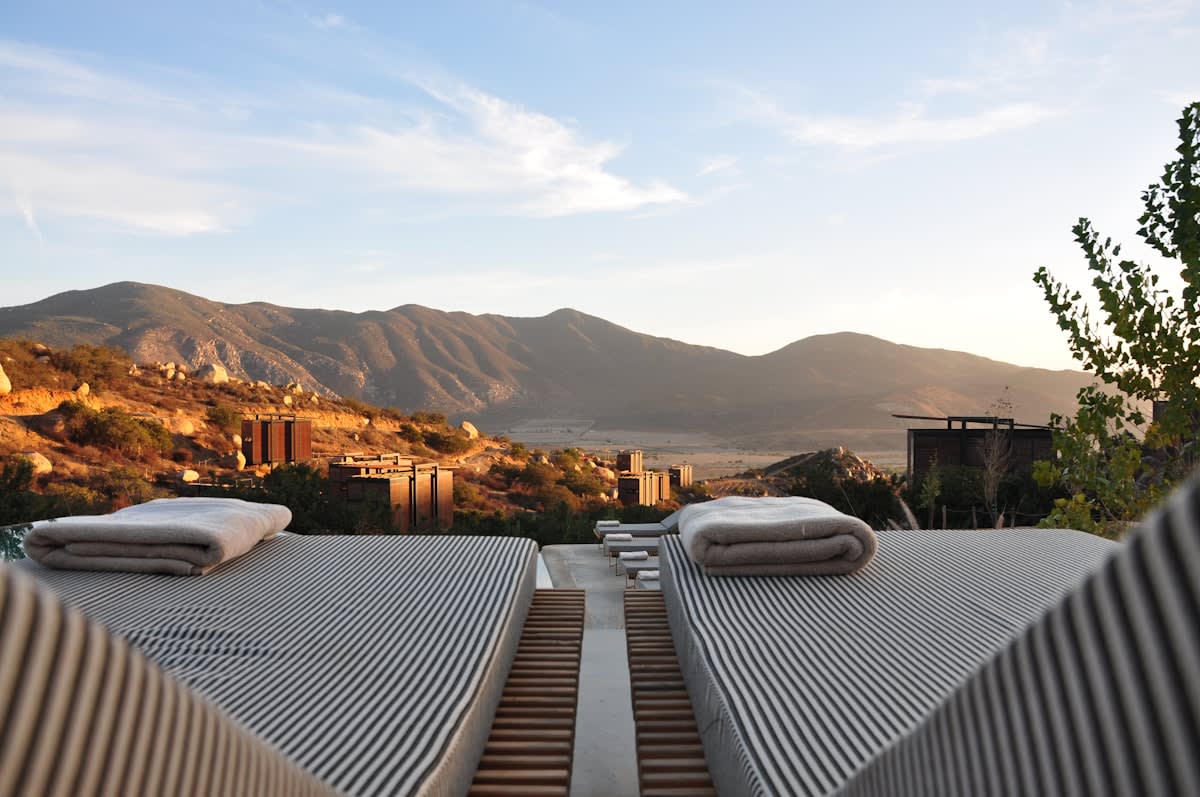
This movement toward presence is infiltrating the highest echelons of wealth. Diego Rodriguez notes the rise of Active Luxury in the hospitality sector. The affluent traveler no longer wants to be served in a gold-plated room; they want to be participants in a curated experience. This marks a fundamental transition from the luxury of having—what one owns—to the luxury of living—what one experiences. The hotel is no longer a place to stay, but a gateway to access and curation.
When ownership becomes a commodity, access becomes the only true status symbol. Active luxury integrates wellness and fitness into high-end offerings, recognizing that the modern elite are terrified of the stagnation brought on by digital saturation. They are paying for the privilege of being pushed, challenged, and physically engaged. The curation of a life lived is now more valuable than the accumulation of assets.
While the elite curate their experiences, the rest of the world is grappling with a new kind of physical reality: the localized eruption of chaos. In Israel, for example, a wave of grenade attacks targeted the Japanika sushi restaurant chain across six cities, including Tel Aviv, Afula, and Netanya. These attacks, suspected to be the result of feuds between crime families, represent a stark contrast to the sanitized, AI-curated feeds of the global north. It is a reminder that while we argue over AI Overviews, the physical world remains volatile and visceral.
The juxtaposition is jarring. On one hand, we have AI tools creating bikes with two handlebars; on the other, we have fragmentation grenades striking sushi restaurants. Both are forms of fragmentation. One is a digital hallucination that erodes our shared sense of truth; the other is a physical violence that erodes our shared sense of safety. Both signal the end of the stable, predictable global narrative.
Why does this matter for the future of design and media? Because the winners of the next decade will not be those who provide the most convenience, but those who provide the most meaningful friction. The brands that survive will be the ones that create spaces—physical or digital—where people can encounter something they didn't know they were looking for. The goal is no longer to optimize the user journey, but to make the journey worth taking.
We are moving toward a mosaic culture. Instead of one global zeitgeist, we will have a thousand micro-zeitgeists, each anchored by a physical experience or a biological need. The search for meaning has moved from the search bar to the cinema seat, the museum gallery, and the active retreat. We are finally realizing that you cannot download a cultural moment; you have to be there to witness it.