21-year-old man killed after crane collapses from 11th floor, falls inside housing complex
Source Entity
The Indian Express
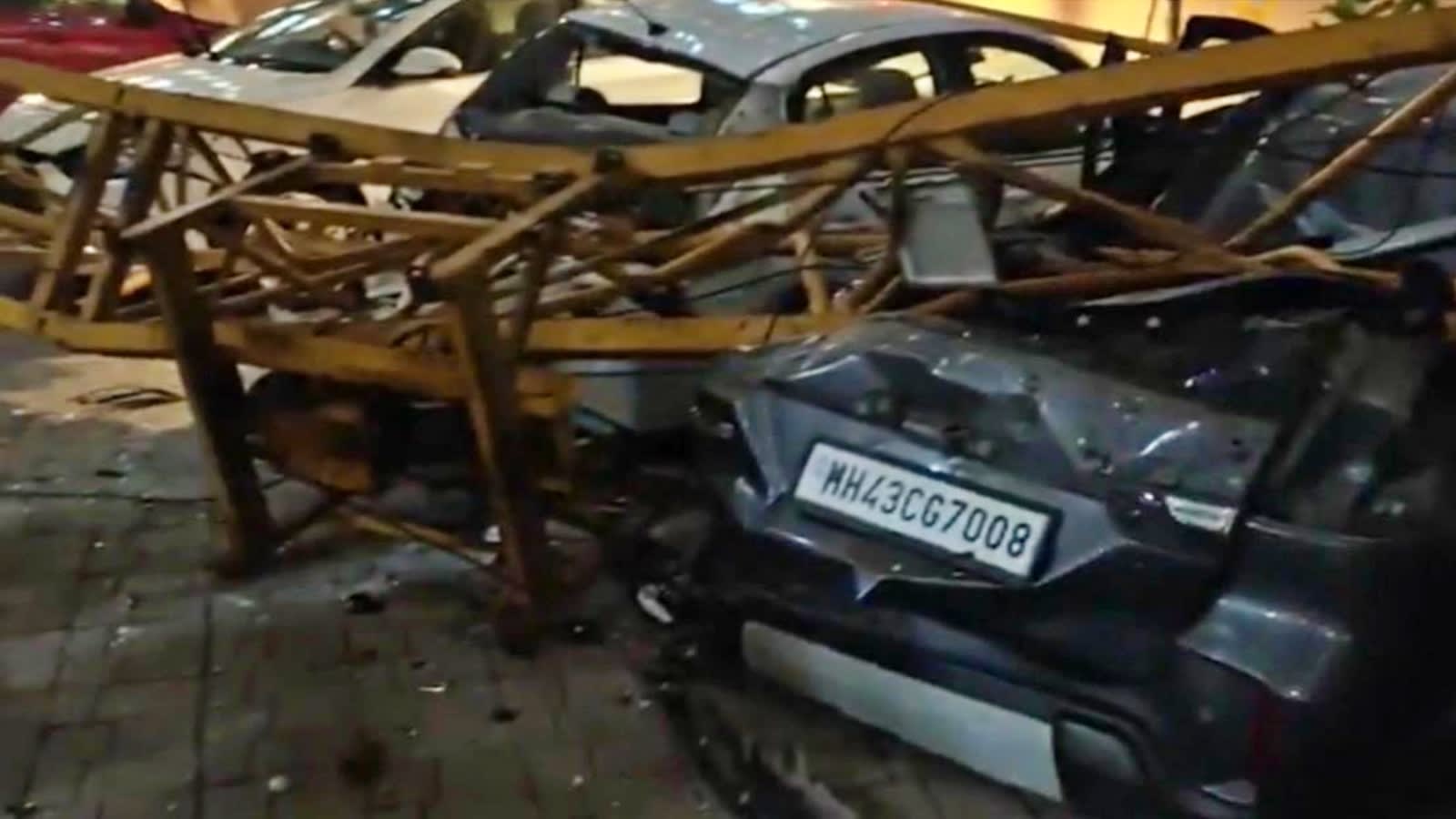
A 21-year-old man has died following the collapse of a tower crane from the 11th floor of a housing complex. Local authorities have launched an investigation to determine the cause of the structural failure.
Tragedy at the Construction Site: Analysis of the Tower Crane Collapse
In a devastating incident that underscores the inherent risks of urban development, a 21-year-old man lost his life after a tower crane collapsed from the 11th floor of a housing complex. The event, which occurred amidst the construction of a residential project, saw a massive piece of machinery fall from a significant height, turning a site of growth into a scene of tragedy. The sudden nature of the collapse highlights the catastrophic potential of structural failures in high-rise construction, where the margin for error is virtually non-existent.
Technical Failures and Investigative Focus
While the exact cause of the collapse is yet to be ascertained, the investigation launched by authorities will likely focus on several critical technical areas. Tower cranes are engineering marvels, but they are susceptible to a variety of failure points. Investigators will examine whether the collapse was a result of mechanical fatigue, improper assembly, or a failure in the crane's foundation. Furthermore, the role of environmental factors, such as sudden wind gusts or seismic activity, cannot be ruled out. The fact that the crane fell from the 11th floor suggests a potential failure in the tie-backs or the mast sections that anchor the crane to the building's structure.
The Human Cost and Worker Safety
The death of a 21-year-old man adds a poignant layer of tragedy to this accident. At such a young age, the victim represents the vulnerability of entry-level workers or bystanders in high-risk industrial zones. This incident brings to the forefront the critical need for stringent safety perimeters and the enforcement of 'exclusion zones' during heavy lifting operations. When a crane of this magnitude fails, the impact zone is vast, and the lethality is absolute, making the failure of safety protocols a matter of life and death.
Broader Implications for Urban Construction
This accident serves as a grim reminder of the pressures facing the modern construction industry. In the race to meet deadlines for housing complexes, there is often an implicit pressure to accelerate timelines, which can sometimes lead to overlooked maintenance checks or rushed installations. This event will likely prompt a wider review of safety certifications for tower crane operators and the third-party inspectors responsible for signing off on equipment stability. The legal ramifications for the construction firm could be severe, potentially involving charges of negligence if it is found that safety standards were bypassed.
Historical Context and Industry Trends
Historically, crane collapses have been a recurring issue in rapidly expanding cities. However, the industry has seen a trend toward the adoption of smarter technology to mitigate these risks. The integration of IoT sensors that monitor load stress in real-time and wind-speed anemometers that trigger automatic shutdowns are becoming standard. This tragedy may accelerate the mandatory adoption of such technologies in residential projects, moving away from manual inspections toward continuous, automated structural health monitoring.
Conclusion: The Path Toward Accountability
As the investigation unfolds, the primary goal will be to ensure that such a failure does not recur. The loss of a young life is an unacceptable cost of urban progress. Beyond the legal proceedings, this incident must catalyze a cultural shift within the construction sector—one where safety is not viewed as a regulatory hurdle but as the foundational element of every project. Only through rigorous accountability and the implementation of fail-safe engineering can the industry protect its workers and the public from such avoidable catastrophes.