DG Shipping advises firms to avoid deploying Indian seafarers on Strait of Hormuz
Source Entity
George Mathew
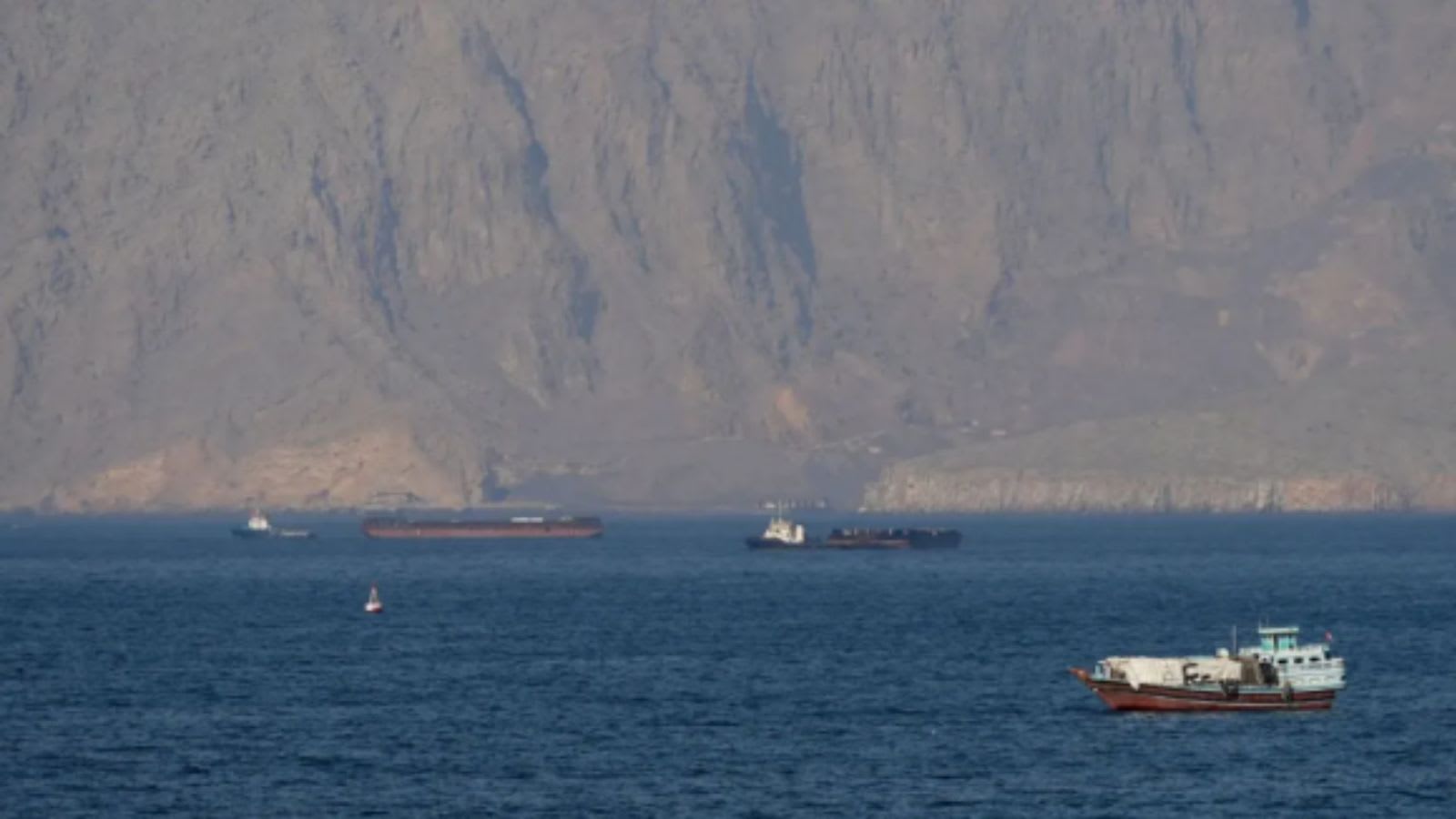
The Directorate General of Shipping (DG Shipping) has issued an advisory urging shipping firms to avoid deploying Indian seafarers in the Strait of Hormuz due to heightened security risks in the critical maritime chokepoint.
Maritime Security Alert: DG Shipping Advisory on the Strait of Hormuz
In a significant move to safeguard its maritime workforce, the Directorate General of Shipping (DG Shipping) has issued a formal advisory to shipping companies, urging them to avoid deploying Indian seafarers in the Strait of Hormuz. This decision comes amid a climate of heightened geopolitical instability in the Middle East, where the Strait serves as a volatile flashpoint. The advisory underscores the precarious nature of maritime employment in regions where political tensions can rapidly translate into physical threats to crew members, who often find themselves as unintended pawns in larger diplomatic disputes.
The Strategic Gravity of the Strait of Hormuz
To understand the weight of this advisory, one must recognize that the Strait of Hormuz is one of the most critical maritime chokepoints in the global economy. As noted in the reports, nearly a fifth of the world's total crude oil consumption and a massive portion of liquefied natural gas (LNG) exports pass through this narrow waterway. Because of this extreme concentration of energy resources, any disruption in the Strait—whether through military blockade, accidental collision, or targeted seizures—has an immediate and cascading effect on global energy prices and supply chain stability. For Indian seafarers, operating in this corridor means working in a zone where the margin for error is slim and the risk of external interference is high.
Vulnerability of the Indian Maritime Workforce
India is one of the largest providers of skilled seafarers to the global shipping industry. This vast workforce is the backbone of international trade, but it also means that Indian nationals are disproportionately represented on tankers and cargo ships traversing high-risk zones. When regional tensions escalate, seafarers are often the first to be impacted through ship detentions or harassment. By issuing this advisory, DG Shipping is acknowledging that the safety of the crew now outweighs the operational convenience of deploying Indian personnel in this specific corridor, reflecting a 'safety-first' approach to labor management in the maritime sector.
Geopolitical Volatility and Operational Risks
The Strait of Hormuz has historically been a theater for 'tanker wars' and strategic posturing between regional powers and international coalitions. The risk is not merely limited to open conflict but includes the seizure of vessels under the guise of legal or environmental disputes, which are often used as leverage in diplomatic negotiations. For shipping firms, the DG Shipping advisory introduces a complex operational challenge: finding alternative crew members from regions that may not be under similar government restrictions, or negotiating higher 'war risk' premiums and hazard pay to incentivize crews to enter the zone.
Broader Implications for Global Trade and Diplomacy
This advisory also highlights India's delicate balancing act in the Gulf region. India relies heavily on the Middle East for its energy security, yet it must prioritize the protection of its citizens. The move signals to the international community that India is closely monitoring the security architecture of the Persian Gulf. If more nations follow suit with similar advisories, it could lead to a shortage of qualified crew members for vessels traversing the Strait, potentially slowing down the transit of oil and gas and further inflating global energy costs.
Future Trends in Maritime Deployment
Looking forward, this event suggests a trend toward more localized and risk-stratified crew deployment. We are likely to see a rise in 'risk-zone' clauses in maritime contracts and an increase in the use of private maritime security teams on board vessels. Additionally, the reliance on Indian seafarers may lead shipping companies to invest more in automated shipping technologies or seek diversified crew sources to avoid the operational paralysis that occurs when a major seafaring nation issues a deployment warning.
Conclusion
The DG Shipping advisory is a proactive measure designed to mitigate the risk of Indian nationals being caught in the crossfire of Middle Eastern geopolitical strife. While the Strait of Hormuz remains an indispensable artery for global energy, the human cost of navigating its waters has become too high to ignore. This move emphasizes the intersection of national security, labor rights, and global trade, reminding the world that the flow of oil and gas depends entirely on the safety of the people who move it.