The current moment in July 2026 marks a definitive break from the speculative. We are seeing a rapid deployment of generative tools that do not merely mimic art but actively reconstruct cultural memory. While Western critics debate the ethics of the machine, the Global South is integrating these systems into the very fabric of identity. This is not a slow adoption. It is an immediate, aggressive recoding of what it means to preserve a legacy in an era of synthetic intelligence.
The Rise of the Generative Ghost
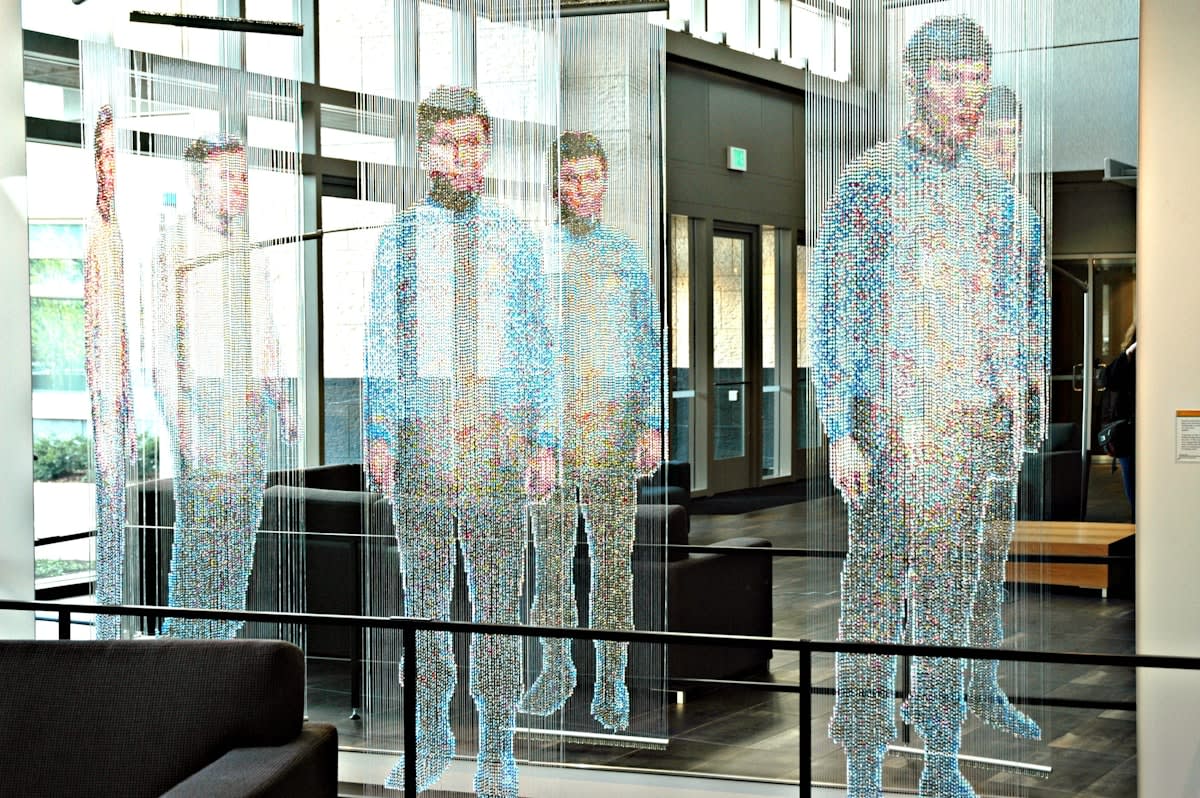
Ancestral folklore has always relied on the oral tradition, a fragile chain of memory passed from one generation to the next. Now, companies like Re;memory are introducing a synthetic link in that chain. By utilizing large language models (LLMs) trained on social media posts, emails, audio, and video recordings, these platforms create digital simulations of the deceased. This technology transforms the concept of a memorial from a static monument into an interactive avatar. The ability to express love and forgiveness to a generative ghost suggests a future where folklore is not just remembered but actively conversed with.
"By allowing you to interact with a lifelike digital avatar of your loved one, you can find solace in expressing your love and forgiveness, creating a bridge to the cherished moments you hold dear."— Re;memory
This shift toward digital afterlife simulations creates a new tension in cultural preservation. When a community's folklore is tied to specific elders or lineage holders, the creation of a generative ghost effectively freezes a persona in a digital amber. Does this preserve the folklore, or does it replace the organic evolution of tradition with a curated, algorithmic loop? The urgency of this question is palpable as these tools move from niche experiments to mainstream emotional utilities.
The infrastructure for this digital transition is already landing in the Global South. We see this in the aggressive rollout of AI-powered customization in essential services. For instance, Google's Gemini AI is now powering conversational road updates and personalized navigation in Waze, with specific modes like Motorcycle mode expanding across Argentina, Brazil, Colombia, Mexico, and Peru. This widespread adoption of AI in daily logistics creates a baseline of technical literacy that makes the leap to generative art and cultural recoding almost inevitable.
Sonic Distortion and the Commerciality of the Cover
The sonic landscape is undergoing a similar transformation, where the line between original folklore and AI-generated reimagining is vanishing. Take the case of Josh Fawaz, whose cover of Madonna's Like a Prayer reached the No 1 spot on the National Radio Airplay chart. With 35 million streams on Spotify, Fawaz's success demonstrates that the public is not just accepting AI-influenced vocals but craving them. His 18-track album, Dance Like Nobody’s Watching, serves as a blueprint for how existing hits can be stripped and rebuilt through a generative lens.
Why does this matter for folklore? Because the same mechanism used to top the electronic charts is being applied to traditional rhythms and indigenous sounds. When the process of creating a hit becomes a matter of generative reimagining rather than original composition, the 'folk' in folklore becomes a data set. The delta between 2025 and 2026 is the move from AI as a curiosity to AI as a chart-topping commercial engine.
The Authenticity Gap
The success of AI-driven covers suggests a shift in listener psychology: the value is no longer in the authenticity of the performance, but in the precision of the reimagining.
This commercialization creates a friction point with established artistic guardians. Christopher Nolan has pointed out that generative AI is hitting the filmmaking industry at exactly the wrong time, threatening to destroy established structures. However, in the Global South, the narrative is different. Where Hollywood sees a threat, emerging markets see an opportunity to bypass traditional gatekeepers and project their recoded folklore onto a global stage.
The Synthesis of Sacred and Secular
The blueprint for this synthesis already exists in the physical art world. Tsherin Sherpa's work provides a critical parallel, combining traditional Himalayan thangka painting with pop-culture and global contemporary trends. His work, which will be featured in a major solo exhibition at the Honolulu Museum of Art through January 31, 2027, demonstrates that traditional artforms can remain active visual mediums for spiritual practice while integrating modern sensibilities. Sherpa's approach proves that the sacred does not have to be sacrificed for the contemporary.
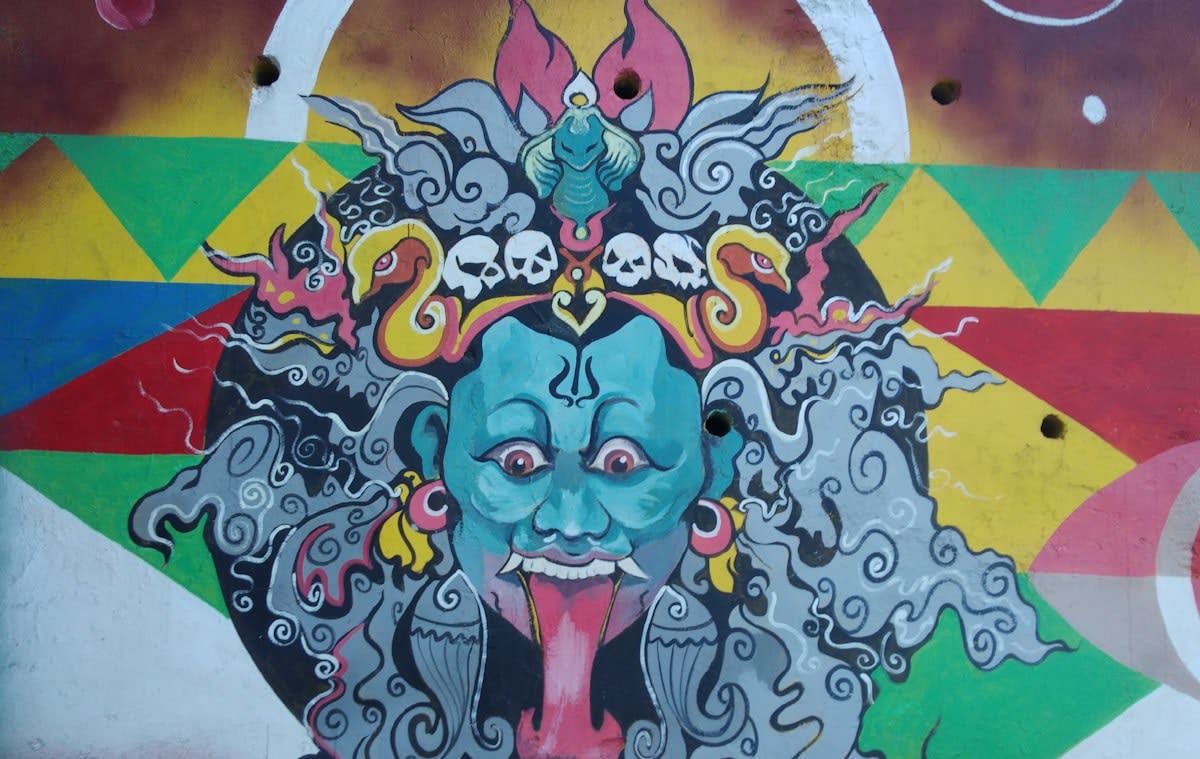
Applying Sherpa's logic to the generative era, Latin American artists are not merely using AI to copy folklore; they are using it to create a 'Divine Disruption.' By feeding ancestral patterns into generative models, they produce works that are simultaneously ancient and futuristic. This is the true essence of recoding: using the machine to find new patterns within the old, ensuring that tradition does not become a museum piece but remains a living, breathing entity.
The scale of this transformation is mirrored in other sectors of the Global South. TV BRICS has highlighted the automation of agriculture as a key area of technological transformation. This suggests a broader trend where the Global South is not just consuming AI for entertainment but integrating it into its most fundamental survival systems. When agriculture and media cooperation—such as the growing interest in the BRICS agenda in Argentina—align with generative art, the result is a systemic overhaul of cultural production.
| Domain | Traditional Driver | Generative Driver | Outcome |
|---|---|---|---|
| Ancestry | Oral Tradition | LLM-trained Avatars | Interactive Memory |
| Music | Composition | AI-driven Covers | 35M+ Stream Reach |
| Visual Art | Sacred Painting | Pop-Culture Fusion | Global Exhibition |
| Logistics | Manual Navigation | Gemini Integration | Regional Optimization |
The risk remains that this recoding process could lead to a homogenization of culture. If the models used to recode folklore are trained on Western-centric data, the resulting 'tradition' may be a distorted reflection of the original. Yet, the resilience of artists in regions like Peru and Colombia suggests a pushback. They are not just using off-the-shelf models; they are attempting to steer the AI toward a more authentic representation of their lived experiences.
Ultimately, the recoding of folklore for the generative era is an act of survival. In a world where digital noise is constant, the only way to ensure a culture's visibility is to speak the language of the machine. By turning ghosts into avatars and folk songs into AI hits, the Global South is ensuring that its heritage is not just preserved, but is loud enough to be heard over the algorithmic roar.