BRS hits out at double standards of NDSA to victimise Telangana ryots
Source Entity
India Latest News: Top National Headlines Today & Breaking News | The Hindu
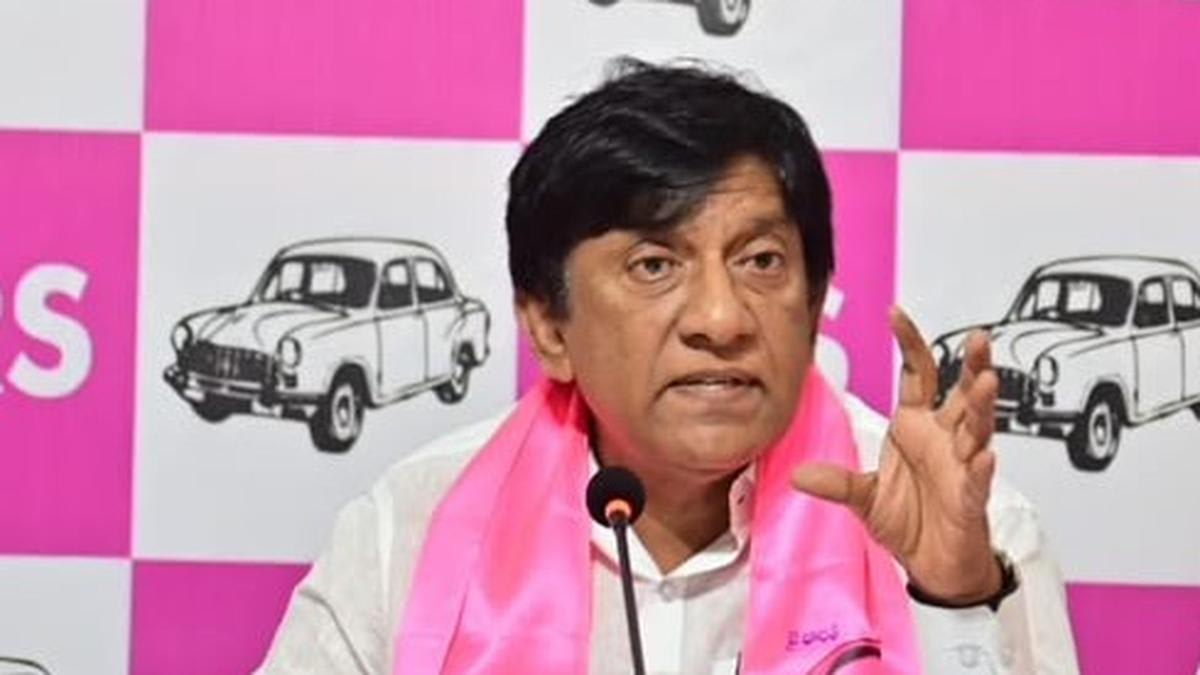
Former MP Vinod Kumar of the BRS has accused the NDSA of double standards regarding the Polavaram project, alleging that the project has suffered damage 13 times, costing ₹9,600 crore in repairs, while the central government has yet to submit a formal report on the matter.
Political Friction Over Polavaram: BRS Accuses NDSA of Negligence
The political landscape in Telangana has seen a surge in tension as the Bharat Rashtra Samithi (BRS) intensifies its critique of the National Democratic Alliance (NDSA) regarding the management of the Polavaram project. Former MP Vinod Kumar has brought to light a series of systemic failures, alleging that the project has been plagued by repeated damages and financial mismanagement. This confrontation highlights the deep-seated friction between regional aspirations for water security and the central government's administrative oversight.
The Financial and Structural Toll
At the heart of the BRS's grievance is the staggering claim that the Polavaram project has suffered structural damage on 13 separate occasions. According to Vinod Kumar, these failures have necessitated repairs amounting to approximately ₹9,600 crore. This figure represents not just a financial loss to the exchequer but a critical failure in engineering and project supervision. The recurring nature of these damages suggests a pattern of instability that the BRS argues is being overlooked or suppressed by the central authorities.
The Controversy of the Missing Report
Beyond the physical damage, the BRS is focusing heavily on the administrative silence of the NDSA. The party alleges a "double standard" in how the central government handles infrastructure audits. Specifically, the demand for the submission of a comprehensive report on the Polavaram damages remains unmet. By withholding or delaying this report, the BRS contends that the NDSA is avoiding accountability for the lapses in project execution, thereby leaving the stakeholders in the dark about the actual status and safety of the project.
Implications for Telangana Ryots
The term "ryots" (farmers) is central to this discourse, as the Polavaram project is envisioned as a lifeline for irrigation in the region. For the farmers of Telangana, the delays and damages are not merely political talking points but existential threats to their livelihoods. When a project of this scale suffers repeated setbacks, the promised water supply to drought-prone areas is delayed, directly impacting crop yields and economic stability. The BRS is strategically framing this as a "victimization" of the farming community by the central government.
Historical Context and National Project Status
To understand the gravity of this dispute, one must look at Polavaram's status as a National Project. When a project is designated as "National," the central government takes on a significant role in funding and technical guidance. This transition was intended to accelerate completion and ensure higher standards of quality. However, the current allegations suggest that this transition has led to a bureaucratic deadlock where the state feels sidelined and the center is accused of inefficiency, turning a developmental milestone into a political battlefield.
Future Trends and Political Trajectory
Looking forward, the Polavaram issue is likely to remain a potent weapon for the BRS in its effort to mobilize rural voters. As the project continues to face technical hurdles, the demand for transparency and the release of the NDSA report will likely intensify. If the central government fails to provide a clear roadmap and a transparent audit of the ₹9,600 crore expenditure, it may further alienate the regional leadership and the agricultural workforce, potentially influencing future electoral outcomes in the state.
Conclusion
The clash between the BRS and the NDSA over the Polavaram project underscores the complex intersection of infrastructure development and political accountability in India. With ₹9,600 crore in repair costs and a missing official report, the situation has evolved from a technical engineering challenge into a significant political liability. For the project to succeed and for the "ryots" to benefit, a shift from political rhetoric to transparent, technical resolution is imperative.
Verification Required?