
Survival Prerequisites
Factories don't just appear. They are fought for. Most planners forget that a permit is not a product.
- Liquid capital for massive upfront CAPEX (e.g., SAEL's ₹8,200 crore investment).
- Regulatory alignment with domestic content lists like India's ALMM List-II.
- Direct access to high-capacity rail corridors for raw material throughput.
- A solved cell-to-module ratio to avoid assembly-line idling.
India's solar sector is bleeding. Approved module capacity stands at 172 GW, but domestic cell production for TOPCon tech is a meager 10 GW. This gap is where projects go to die.
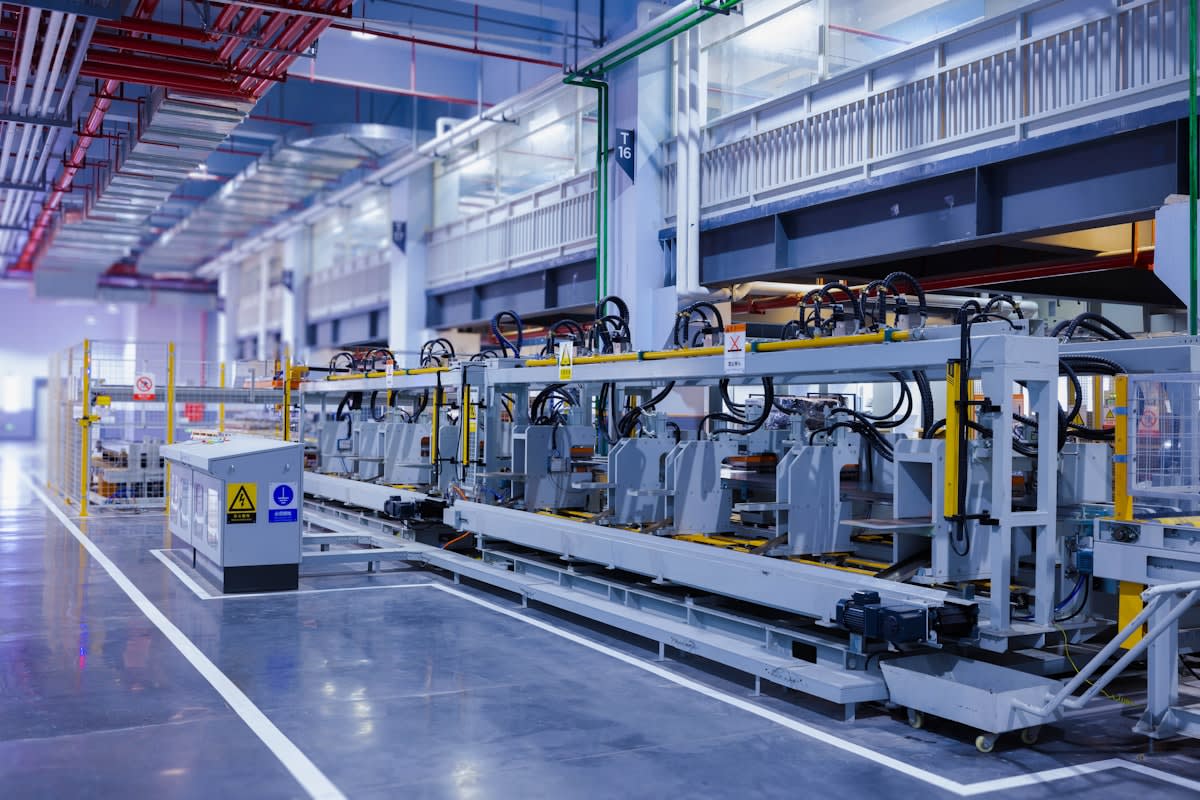
Capital is useless if the cells don't exist.
Industrial Execution Requirements
- Solve the cell-to-module ratio immediately. SAEL is attempting this in Jewar with a 10 GW integrated complex to stop the reliance on imports.
- Hard-wire logistics connectivity. Relying on road transport is a death sentence; use rail investments like the Tatanagar-Adityapur corridor to ensure flow.
- Implement collision and failure safeguards. Deploy systems like the Kavach train collision avoidance system across critical route kilometres to prevent supply chain blackouts.
- Audit regulatory mandates weekly. The ALMM List-II now forces government-backed and open-access projects to source domestic cells, meaning non-compliance equals zero revenue.
| Region | Key Metric | Value |
|---|---|---|
| India | Industrial Growth (May '26) | 5.1% |
| China | Manufacturing PMI (June) | 50.3 |
| Japan | Industrial Production (May) | 0.5% |
The Component Gap
The ALMM trap is real. You can have 193 GW of approved module capacity, but if your TOPCon cell capacity is only 10 GW, your 'domestic' status is a facade.
Hardware alone is a dead end without a way to move it. Indian Railways spent ₹840 billion in just two months, yet the struggle to modernize steel competitiveness remains a political slog.
"Union Steel Minister HD Kumaraswamy urged the steel industry to embrace emerging technologies to remain globally competitive."— HD Kumaraswamy, Chintan Shivir 2026
Traditional plants are too slow for modern volatility.
The Distributed Production Protocol
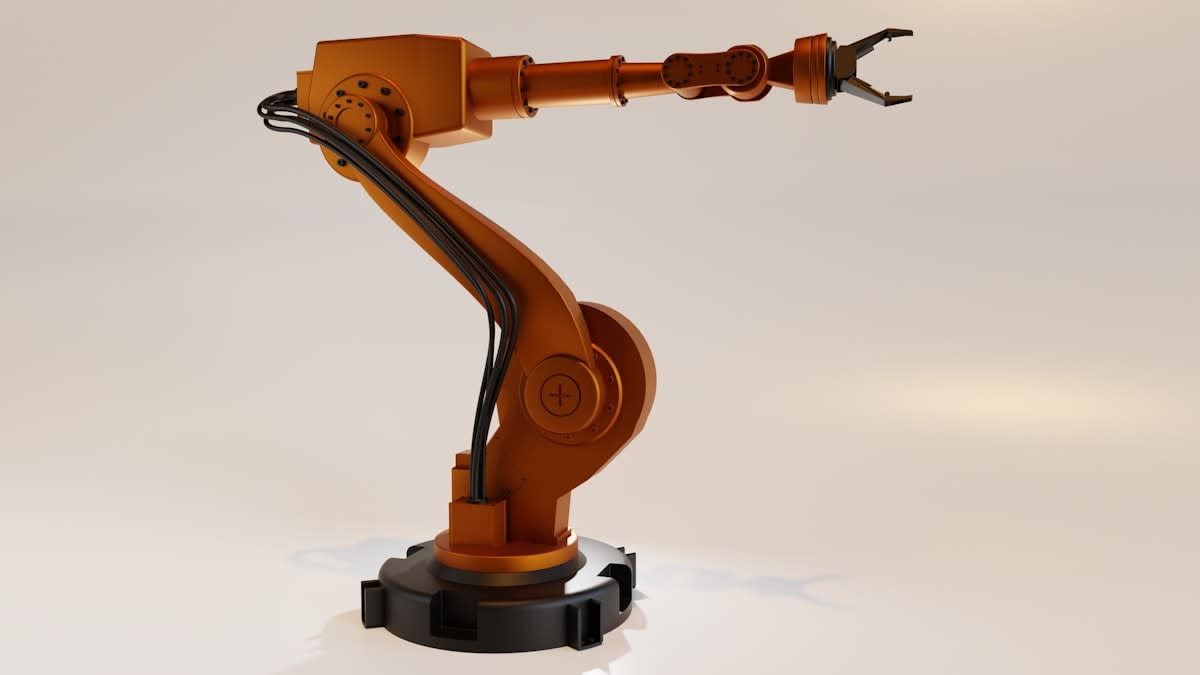
Centralized hubs are fragile. Microfactories offer a way out by combining robotic large-format additive manufacturing with AI-driven process intelligence. This allows production at the point of use, cutting the logistics cord.
Zoning is the final boss. Maryland is easing regulations to unlock 300 acres of state-owned land for multifamily housing near transit, proving that bureaucratic flexibility is as important as the machinery itself.
Common Pitfalls
- The Module Mirage: Assuming module capacity equals industrial independence while ignoring the cell shortage.
- Centralization Rigidity: Building one massive plant that can be paralyzed by a single rail failure on the East Coast Railway.
- Regulatory Blindness: Ignoring the specific dates of policy enforcement, such as the June 1 ALMM update.
- Tech Stagnation: Ignoring additive manufacturing in favor of legacy CNC milling.