The Coastal Obsession
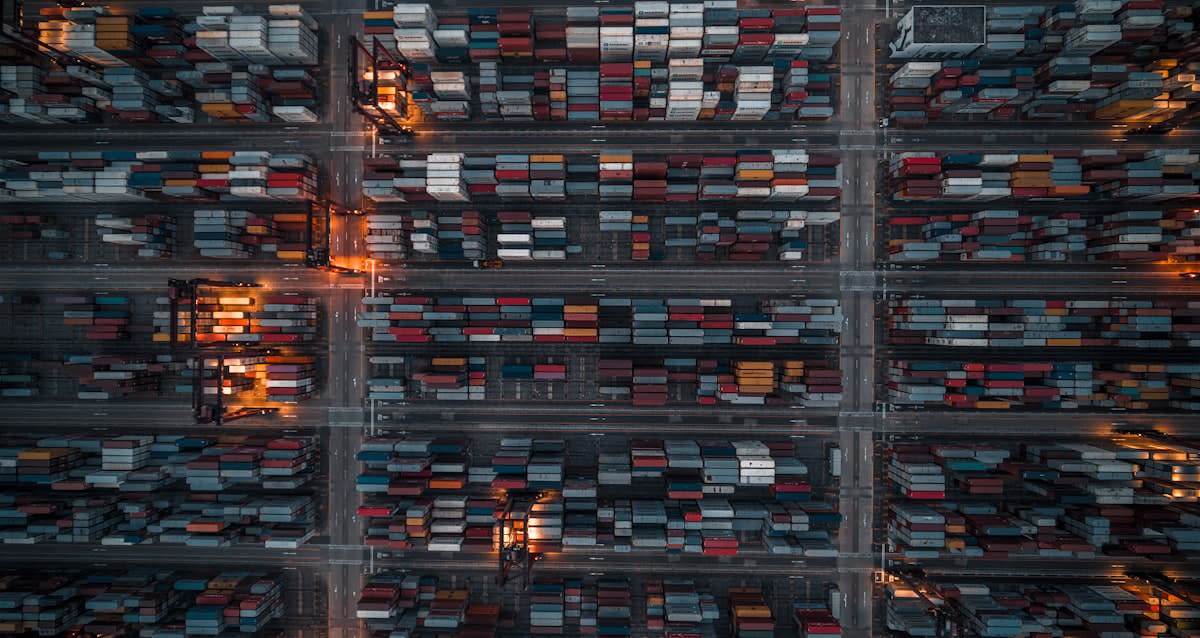
For a century, the map of global trade has been a story of edges. We built our empires and our economies around the shoreline, treating the interior as a mere hinterland to be drained of resources and filled with imports. This coastal obsession created a dangerous bottleneck. When every single container must be cleared, sorted, and processed at the water's edge, the port becomes a choke point rather than a gateway. Why are we still pretending that the coast is the only place where trade happens?
The systemic shift we are witnessing now is the interiorization of the port. By moving the administrative and logistical functions of a maritime port hundreds of miles inland, nations are effectively extending their coastline into the heart of their territory. This isn't just about adding a few warehouses. It is a fundamental decoupling of the physical arrival of a ship from the legal and logistical processing of its cargo. This shift transforms the very definition of a land-locked country from a geographic disadvantage into a strategic hub.
Decoupling the Gateway from the Water
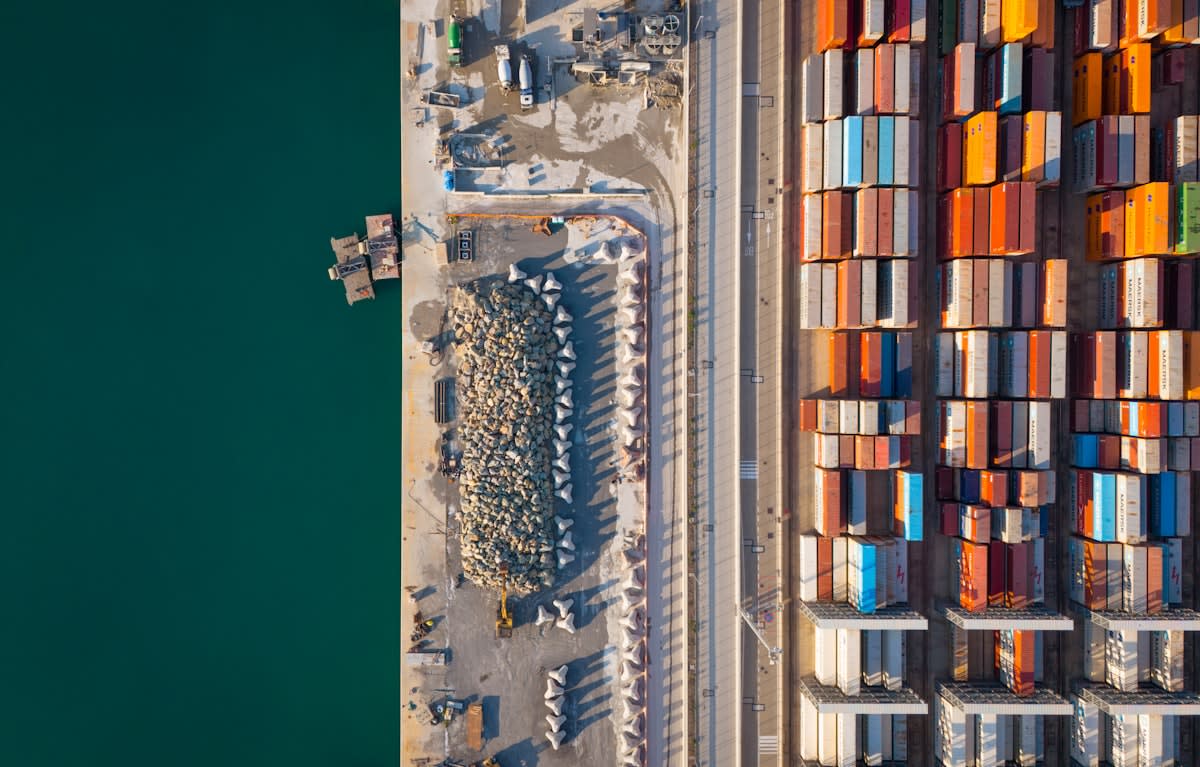
A dry port is not simply a rail yard. It is a fully functional inland terminal that provides all the services of a seaport, including customs clearance, cargo consolidation, and storage, but located far from the ocean. The magic happens through the use of bonded transport. Containers move from the ship to the dry port under a customs seal, meaning the legal entry into the country doesn't happen at the beach, but at the inland hub. This removes the pressure from coastal cities and distributes economic growth across the interior.
| Feature | Traditional Maritime Port | Inland Dry Port |
|---|---|---|
| Primary Function | Ship-to-Shore Transfer | Customs & Distribution |
| Congestion Risk | High (Coastal Bottlenecks) | Low (Distributed Load) |
| Economic Impact | Coastal Urbanization | Inland Industrialization |
| Customs Processing | At Point of Entry | At Point of Destination |
From a practitioner's perspective, the real battle isn't over the concrete or the cranes; it is over the paperwork. In the field, we debate the friction of bonded transit. The tension usually exists between the rail operators who want speed and the customs officials who fear leakage. I have seen projects stall not because of a lack of funding, but because the legal framework for a bonded corridor was poorly defined. When you move the customs office 500 miles inland, you are essentially asking the state to trust a seal on a metal box for several days. That shift in trust is where the real systemic change occurs.
"The transition from land-locked to land-linked is not merely a change in terminology, but a structural shift in how developing economies integrate into global value chains by reducing transit times and lowering the cost of trade."— UNCTAD, Review of Maritime Transport
This transition is most evident in regions where geography was once a death sentence for economic growth. Consider the corridors in Central Asia or the East African Rift. By establishing dry ports, these regions are no longer dependent on the whims of a single coastal neighbor's port efficiency. They are creating their own nodes of power.
Regional Case Studies: From the Steppes to the Savannah
Look at Kazakhstan and the Khorgos Gateway. This is perhaps the most ambitious dry port project in history. By positioning itself as the primary transit point between China and Europe, Kazakhstan has turned a land-locked reality into a strategic monopoly. Khorgos is not just a place where trains stop; it is a place where cargo is transferred between different rail gauges, creating a massive industrial zone in the middle of the steppe. According to World Bank logistics data, such hubs can reduce transit times by several days compared to traditional maritime routes (Source: World Bank, 2023).
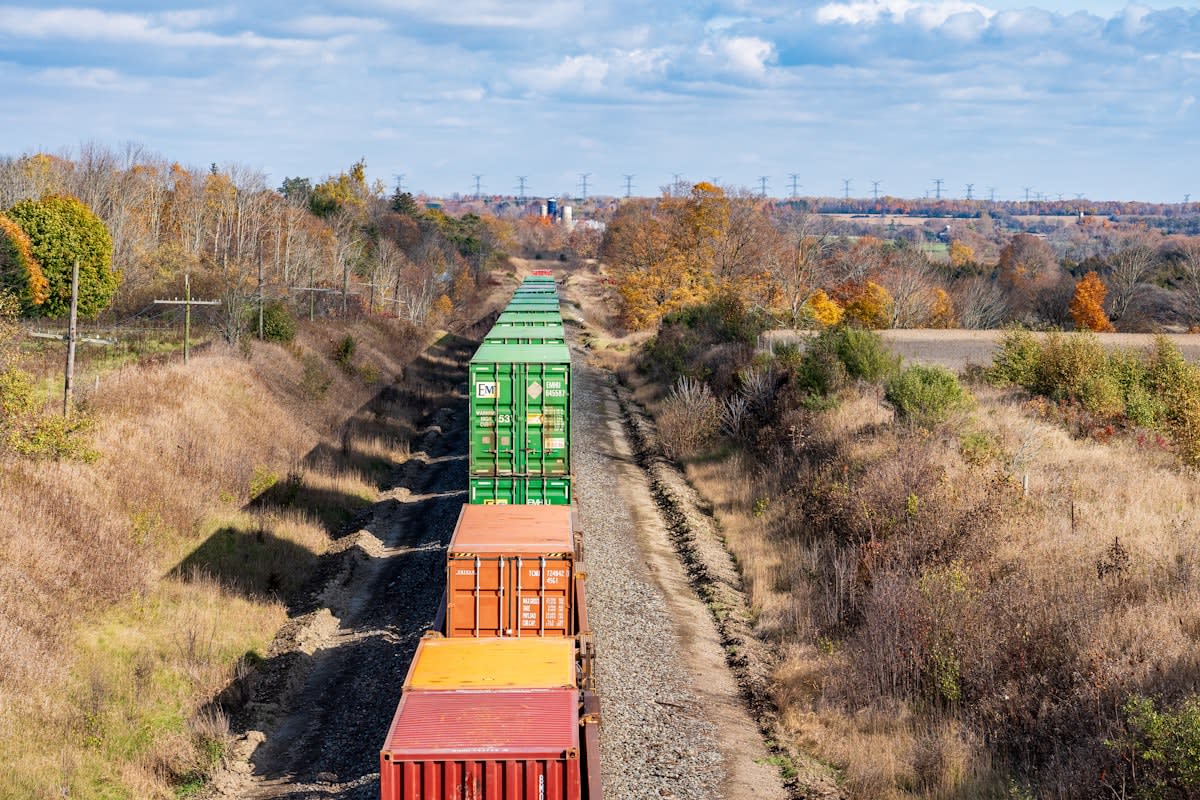
In Africa, the Modjo Dry Port in Ethiopia serves as a critical lifeline. For a country without a coast, the ability to clear customs away from the port of Djibouti is a matter of national security. By shifting the administrative burden inland, Ethiopia reduces the dwell time of containers at the coast, which in turn lowers the demurrage fees that often bleed developing economies dry. This is a resilience play, not just a logistics one.
India has taken a different approach with its Inland Container Depots (ICDs). Rather than one massive hub, India has deployed a network of ICDs that act as satellites to the major ports of Mumbai and Mundra. This distributed model prevents the coastal cities from collapsing under the weight of their own growth. It allows manufacturers in the interior to export goods without ever seeing the ocean, effectively bringing the port to the factory door.
The Systemic Ripple Effect
When a dry port arrives, the local economy doesn't just grow; it mutates. We see a phenomenon called industrial clustering. Once a dry port is established, warehouses, packaging plants, and assembly factories sprout up around it. Why? Because the cost of moving a finished product to the final customer drops precipitously when the customs clearance is already done. The dry port becomes the new center of gravity for regional real estate.
This redraws the map of power. Cities that were once irrelevant because they lacked a river or a coast are suddenly the most important logistics nodes in the country. This is the contrarian truth of modern trade: the most valuable land is no longer necessarily the land next to the water, but the land at the intersection of a rail corridor and a bonded terminal.
However, the transition is not without friction. The 'last mile' remains the Achilles heel. While the leap from the coast to the dry port is efficient via rail, the move from the dry port to the final warehouse often relies on crumbling road infrastructure. The industry is currently debating whether the dry port model actually solves congestion or simply moves it 500 miles inland. If the road network cannot handle the concentrated volume of a dry port, you haven't solved the bottleneck; you've just relocated it.
Editorial Note
The move toward dry ports reflects a broader shift in global trade toward resilience and redundancy. By diversifying the points of entry and processing, nations are insulating themselves from the systemic shocks that occur when a single coastal port is paralyzed by labor strikes or natural disasters.
Fact-Check & Accuracy Note
Key claims regarding the impact of dry ports on transit times and the 'land-linked' framework are sourced from UNCTAD's Review of Maritime Transport and World Bank Logistics Performance Index reports. The specific case studies of Khorgos and Modjo are based on documented infrastructure projects. The debate regarding 'last-mile' congestion is an ongoing point of contention among logistics practitioners and urban planners.