
The Energy Divide
Power is binary. In Kinshasa, a brownout stops a city. Taipei manages firmware bugs while the lights stay on. India now builds a third way. Private generators now feed the data centers that house Global Capability Centres (GCCs). This decoupling removes the economic engine of the new middle class from the instability of state-run utilities.
Finance Minister Nirmala Sitharaman identifies an AI-ready talent pool as a primary driver of this growth. These workers populate the GCCs, leveraging industry-backed skilling programs to remain a preferred destination for global capital. However, the productivity of an AI-ready workforce depends entirely on uptime. State grids cannot guarantee the constant current required for high-compute environments. Consequently, the infrastructure supporting these workers is moving toward total autonomy.
The Behind-the-Meter Architecture
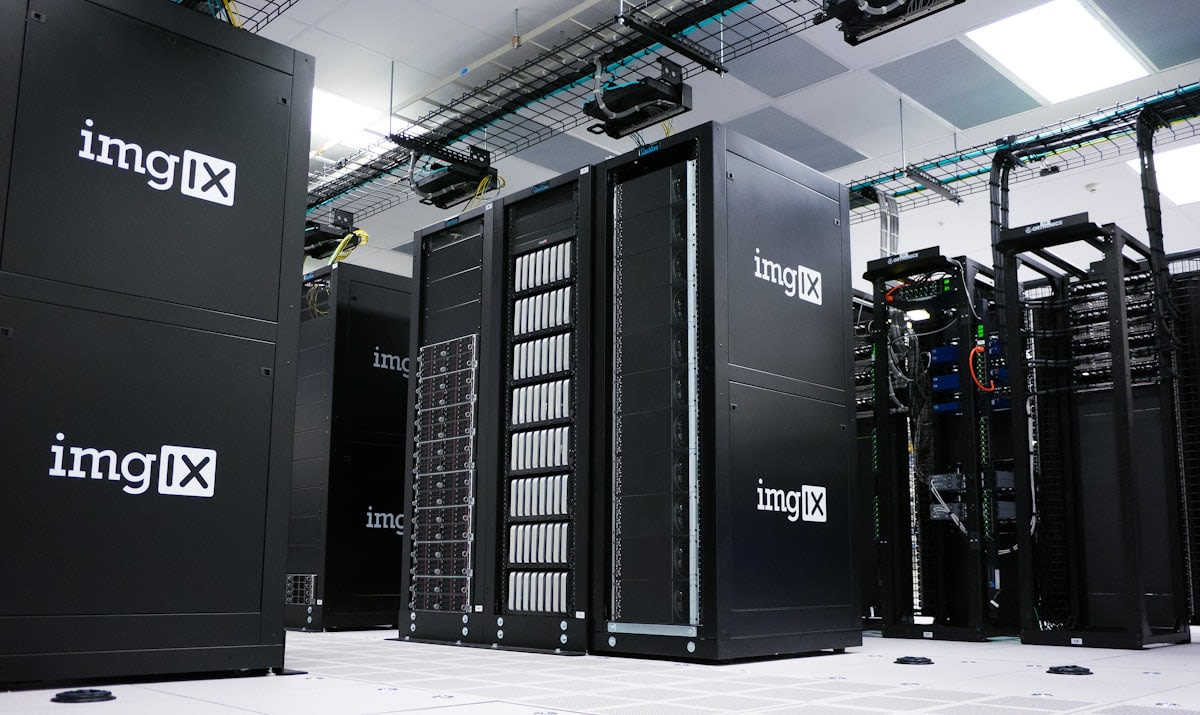
Data centers require massive energy. Rapid build-outs now resemble 100,000 houses appearing in a single year. Developers avoid the public grid to escape these bottlenecks. They install turbines and generators powered by fossil fuels to maintain operational continuity. This approach, known as behind-the-meter generation, allows these facilities to operate as energy islands.
Environmental costs are the trade-off for this reliability. These private generators are intensely polluting, bypassing the sustainability goals often touted in corporate brochures. Time Magazine reports that the local impact is severe, as emissions and water consumption occur directly within the municipality of the data center. The result is a localized environmental burden that supports a globalized digital service.
| Metric | State Grid (Public) | Behind-the-Meter (Private) |
|---|---|---|
| Reliability | Variable/Intermittent | Constant/Guaranteed |
| Scaling Speed | Slow (Bureaucratic) | Rapid (Capital-led) |
| Power Source | Mixed/Renewable Transition | Heavy Fossil Fuel Reliance |
| Primary User | General Population | GCCs and AI Data Centers |
This physical independence creates a new economic caste. High-value workers in the AI sector operate in environments where power failure is a non-factor. Meanwhile, the general population remains tethered to a public grid that struggles with basic load management. The divide is no longer just about income, but about the physical reliability of the environment.
State Grid Irrelevance
Global precedents show the state's desperation to manage this load. US Energy Secretary Chris Wright recently ordered data centers in the mid-Atlantic to use backup generators during heat waves. This directive aimed to free up public grid power for residential air conditioning. In the United States, backup power is a relief valve for the state. In India, it is becoming the primary architecture for the elite economic sector.
"India’s AI-ready talent pool and industry-backed skilling programmes are creating new opportunities for the country’s middle class while positioning India as the preferred destination for Global Capability Centres."— Nirmala Sitharaman, Finance Minister of India
Sitharaman's vision of a new middle class is predicated on these GCCs. These centers are not merely offices; they are energy-intensive hubs. If the state cannot provide the power, the capital will simply build its own. This creates a feedback loop where the most productive sectors of the economy have the least incentive to invest in public infrastructure improvement.
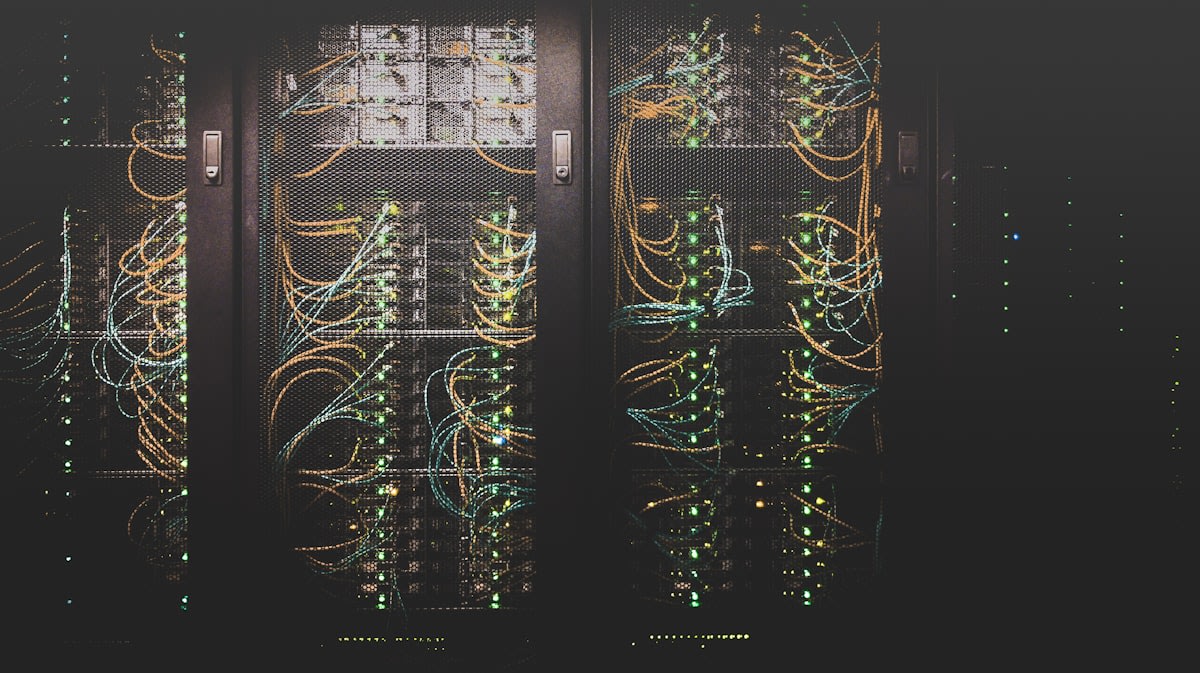
Infrastructure requirements now dictate political boundaries. When a data center bypasses the grid, it bypasses the state's primary lever of control and service. The middle class working within these walls is shielded from the outages that plague the rest of the city. This insulation ensures that the AI-ready workforce remains productive regardless of municipal failure.
Regional Integration and Decentralization
Manila's 2026 Asia Clean Energy Forum (ACEF) highlighted a broader regional trend. Decentralized energy systems and AI-driven grid management are now the primary roadmaps for Asia. The consensus among experts is blunt: no country can go it alone. Interconnected systems are necessary, but the movement toward decentralized power is already well underway.
Digitalization of power infrastructure is the only way to manage the complexity of renewable-heavy grids. However, the speed of AI adoption outpaces the speed of grid modernization. While the ACEF discusses long-term integration, the immediate reality is the deployment of private fossil-fuel generators. The gap between the roadmap and the reality is filled by diesel.
The Sustainability Gap
While the industry promotes a green transition, the rapid build-out of AI data centers relies on 'behind the meter' fossil fuel generation to meet immediate energy demands that public grids cannot satisfy.
Energy security has become a private luxury. The decoupling of the Indian middle class from state power is a rational response to institutional failure. By investing in behind-the-meter solutions, the GCC economy ensures its survival. The state is left to manage a decaying grid for a population that can no longer afford to wait for the lights to come back on.