
The Great Storage Acceleration
The global energy grid is undergoing a fundamental restructuring. We are no longer talking about pilot projects or niche installations; we are witnessing the rise of industrial-scale battery hubs that operate as the central nervous system of modern power. In just the last few months of 2026, the scale of deployment has shifted from cautious expansion to an all-out sprint. Why the sudden urgency? Because the volatility of renewable energy is no longer a problem to be managed—it is a market to be exploited. From the plains of North Dakota to the industrial zones of Poland, the ability to store and release gigawatts of power on demand is becoming the ultimate competitive advantage for utilities and tech giants alike.
Take a look at the activity in June 2026. Google didn't just announce a minor upgrade; they confirmed the deployment of a massive 300 MW / 30 GWh iron-air battery system by Form Energy in Minnesota. This isn't your standard lithium-ion setup. It is a long-duration play designed to support AI data centers and maintain grid reliability over days, not just hours. This move signals a critical shift in how the largest consumers of electricity view the grid: they are no longer passive customers, but active architects of their own energy security.
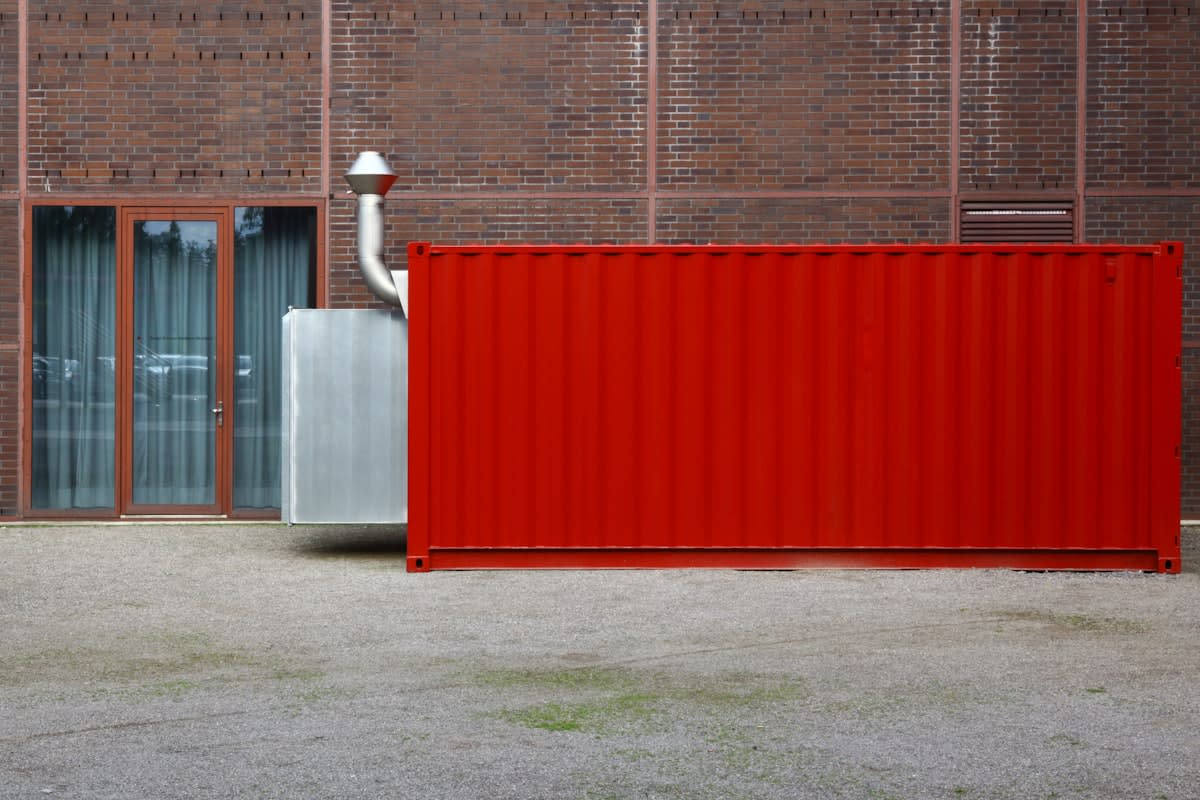
The American Capital Blitz
In the United States, the financial machinery behind storage is accelerating at a dizzying pace. NextEra Energy Resources is currently a prime example of this momentum. Their Q2 2026 income hit US$1.634 billion, a staggering leap from the US$983 million reported in Q2 2025. This isn't just organic growth; it is a calculated expansion into storage. NextEra recently added 3.6 GW of new clean energy capacity to its backlog, with 2 GW of that dedicated specifically to battery energy storage. When you combine this with their recent 100 MW / 400 MWh BESS approval in Burke County, North Dakota, the strategy becomes clear: dominate the storage layer to control the flow of the new energy economy.
The demand for this capacity is being driven by the tech sector's insatiable hunger for power. In late 2025, NextEra signed 11 power purchase agreements and two energy storage agreements with Meta, totaling 2.5 GW of clean energy projects. This symbiotic relationship between Big Tech and energy utilities is creating a new asset class. These companies aren't just buying green credits; they are funding the physical infrastructure required to keep their AI clusters running without crashing the local grid.
The Liquidity Surge
The financial scale is shifting. Avantus recently secured a $1.05 billion credit facility to accelerate solar and storage growth in California and the Desert Southwest. This more than doubles their previous $522 million facility from July 2024, proving that lender confidence in BESS has skyrocketed in just two years.
Is this a bubble? The data suggests otherwise. The growth is grounded in regulated capital deployment. NextEra expects the resulting company from its recent merger to support approximately 11% annual growth in regulated capital through 2032. This is a long-term play on infrastructure, not a speculative bet on a single technology. The capital is flowing because the risk is being mitigated by long-term contracts and a desperate need for grid modernization.
As the US market matures, the focus is shifting from simple capacity to strategic location and integration.
Poland: The Revenue Pivot
While the US focuses on scale and tech-partnerships, Poland is providing a masterclass in the economics of battery revenue. Greenvolt is leading the charge, opening a 200 MW site and commencing the build of another 600 MW. But the real story here is how these batteries actually make money. Currently, the Polish market is heavily reliant on ancillary services—specifically automatic Frequency Restoration Reserve (aFRR) capacity. Thanks to the integration into the pan-European PICASSO balancing platform in June 2024, these services provided roughly 80 percent of battery revenue in 2026.
The pricing for these services has been lucrative, with aFRR capacity prices around €46 ($53 USD) per MW per hour. However, the market is evolving. As the installed fleet in Poland scales past 8 GW, these prices are expected to plummet to roughly €14 ($16 USD) per MW per hour. This creates a forced evolution in the business model. Operators can no longer rely on the grid's need for stability to make a profit; they must shift toward energy arbitrage—buying low and selling high.
| Metric | Current State (2026) | Future State (>8 GW Fleet) |
|---|---|---|
| Primary Revenue Source | Ancillary Services (aFRR) | Energy Arbitrage |
| Revenue Mix (Ancillary) | ~80% | Significantly Lower |
| aFRR Price per MW/h | €46 | €14 |
Beyond the money, there is a new regulatory reality. Since October 2024, the EU Network and Information Security Directive 2 (NIS2) has classified grid-connected energy storage as critical infrastructure. This means facilities like those in Turośń Kościelna, Ełk, and Siedlce are now subject to mandatory cybersecurity risk management and incident reporting. The grid breakaway isn't just about electricity; it is about the digitalization and securitization of power.
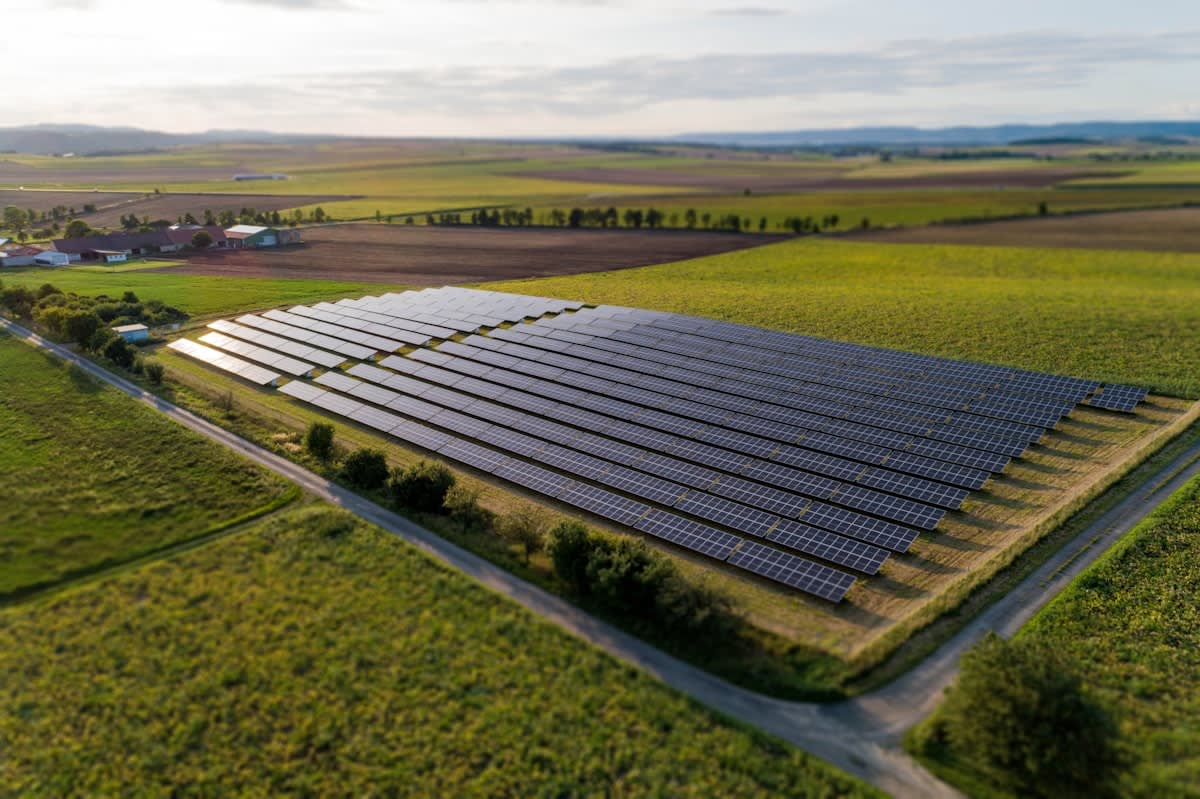
This shift toward arbitrage and cybersecurity indicates that the 'easy money' phase of battery storage is ending, replaced by a sophisticated industrial era.
Asia's Flexibility Play
In Japan, the approach is focused on flexibility and regional integration. June 2026 saw a flurry of activity that highlights this trend. A consortium including ITOCHU Corporation, Mitsubishi Estate, and Tokyo Century began construction on a 67 MW / 230.1 MWh utility-scale project in Fukuoka Prefecture. The goal here is explicit: enhance grid flexibility and integrate more renewables into a historically rigid energy system.
Simultaneously, PowerX received an additional 32.9 MWh order from Sanei Sangyo for four grid-scale battery farms across western Japan. While these numbers are smaller than the gigawatt-scale projects in the US, they represent a fragmented, highly targeted deployment strategy. Japan is building a web of smaller, agile hubs rather than a few monolithic sites, ensuring that stability is distributed across the geography.
What does this tell us? It tells us that the 'Grid Breakaway' looks different depending on the region. In the US, it is about massive capacity and tech-sector synergy. In Poland, it is about navigating the transition from stability payments to market arbitrage. In Japan, it is about creating a flexible, distributed network. Yet, the underlying driver is the same: the old grid cannot handle the new energy mix.
This global divergence is creating a massive opportunity for the technology providers who can scale across these different regulatory and economic environments.
The Trillion-Dollar Horizon
When we step back, the numbers are staggering. The energy transition market is projected to reach USD 7.20 trillion by 2035. This is not just a change in fuel source; it is a total overhaul of the global industrial base. The companies dominating this space are no longer just 'battery makers'—they are integrated energy technology firms. GE Vernova, for instance, has expanded its deployment of advanced grid technologies and gas turbine solutions to support the very flexibility that BESS provides.
- Hardware Titans: BYD, CATL, Samsung SDI, and LG Energy Solution are providing the cell capacity.
- System Integrators: Fluence Energy, Sungrow, and Huawei Digital Power are building the intelligence layer.
- Infrastructure Experts: Wartsila, Hitachi Energy, and Siemens Energy are connecting the hubs to the legacy grid.
- Innovation Disruptors: Form Energy and Eos Energy Enterprises are pushing the boundaries of long-duration storage.
The convergence of electrification in transportation, buildings, and industrial sectors is creating a feedback loop. As more demand moves to the grid, the need for BESS grows. As BESS grows, the grid becomes more stable, allowing for even more electrification. We are moving toward a world where energy is not just generated and consumed, but managed as a fluid, digital asset. The Grid Breakaway is the moment the world stopped fearing the intermittency of renewables and started building the infrastructure to profit from it.
"The shift from ancillary services to energy arbitrage in markets like Poland is the canary in the coal mine for the rest of the world. The era of being paid simply to exist on the grid is over; the era of active energy management has begun."— Industry Analysis, 2026