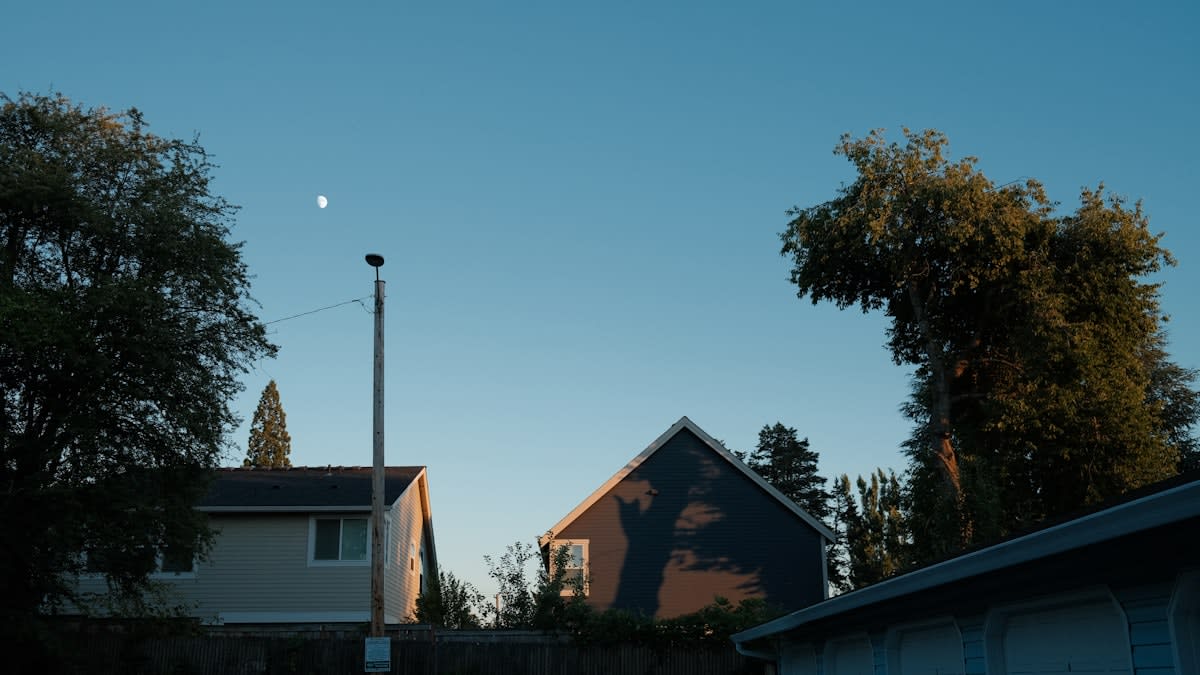
For a century, the social contract of electricity was simple: a massive power plant burned fuel, sent high-voltage current across hundreds of miles of wire, and the consumer paid a monthly bill for the privilege. That contract is currently being shredded. We are witnessing the rise of the Invisible Grid—a decentralized web of behind-the-meter (BTM) assets where generation, storage, and consumption happen in the same physical space. This isn't just about adding a few solar panels to a roof; it is a systemic decoupling from the centralized utility model that has dominated the industrial world since Edison.
The shift has accelerated with violent speed over the last twelve months. While 2023 was defined by the installation of hardware, 2024 has become the year of orchestration. We have moved from 'passive generation'—where a house simply uses the power it makes—to 'active orchestration,' where AI-driven software manages energy flows in real-time to avoid the grid entirely during peak pricing. This delta is critical. Twelve months ago, BTM was a hedge against high bills; today, it is becoming a primary infrastructure strategy for resilience in an era of climate instability.
The Great Decoupling: Data and Drivers
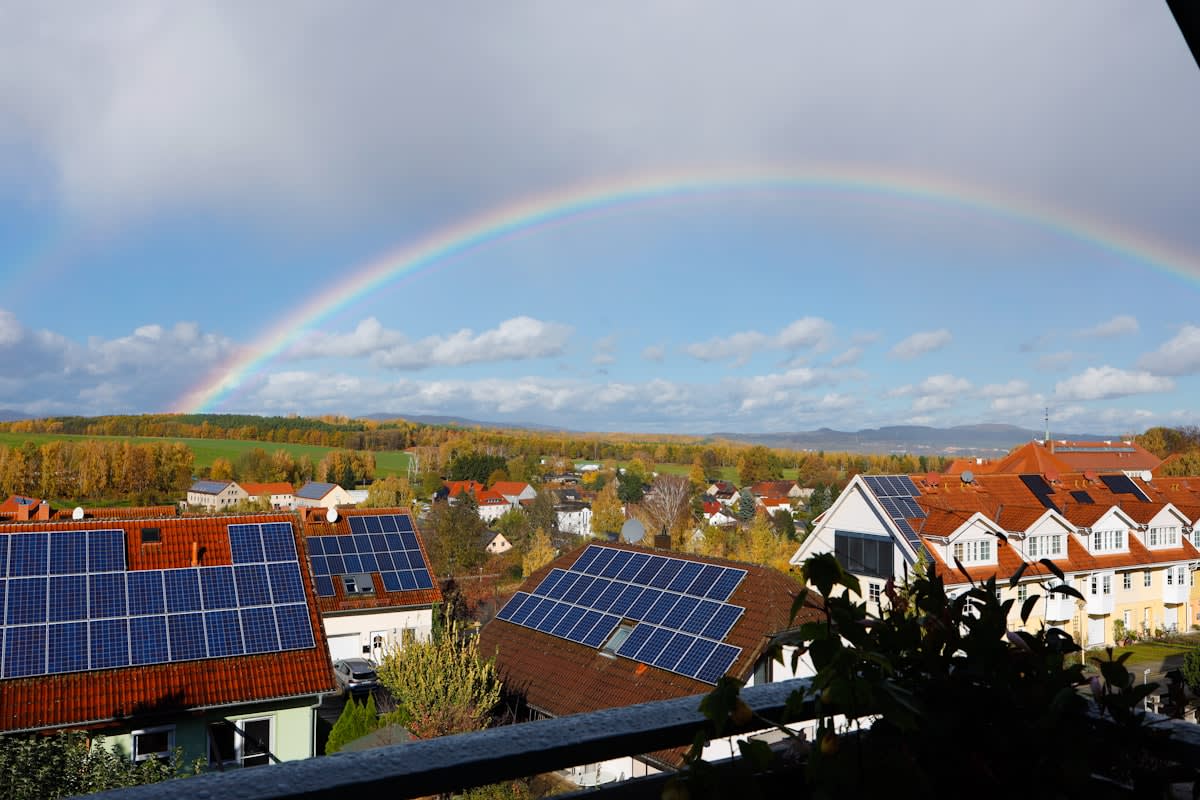
Why now? The economics have hit a tipping point where the cost of autonomy is lower than the cost of dependence. According to the International Energy Agency (IEA, 2023), distributed solar PV capacity is growing at an unprecedented rate, not because of subsidies, but because the Levelized Cost of Energy (LCOE) for residential solar and storage has plummeted. In many regions, the cost of deploying a BTM system is now lower than the projected cumulative cost of utility tariffs over a ten-year horizon. This creates a powerful incentive for 'grid defection'—the act of reducing grid reliance to the absolute minimum.
| Metric | Centralized Utility Model (2010s) | Invisible Grid Model (2024+) |
|---|---|---|
| Primary Power Source | Large-scale Thermal/Hydro | Distributed Solar/Wind/Storage |
| Flow of Energy | Uni-directional (Plant to User) | Bi-directional (Peer-to-Peer) |
| Resilience Strategy | Grid Hardening/Redundancy | Local Autonomy/Microgrids |
| Revenue Model | Volumetric Sales (kWh) | Grid Services/Capacity Markets |
This transition is playing out differently across the globe, but the trajectory is identical. In Australia, rooftop solar penetration is so high in some suburbs that the grid is struggling to handle the reverse flow of electricity during the day (Source: Australian Energy Market Operator, 2023). In the United States, particularly in California and Texas, the volatility of the centralized grid has turned BTM storage from a luxury into a survival tool. Meanwhile, in Germany, the Energiewende has pushed industrial players to integrate massive BTM hydrogen and battery arrays to insulate their production lines from price spikes in the wholesale market.
Does this mean the utility companies are simply going bankrupt? Not exactly, but their business model is in a death spiral. As the wealthiest customers—those who can afford BTM systems—exit the volumetric payment pool, the fixed costs of maintaining the physical wires fall on a smaller, poorer group of consumers. This forces utilities to raise rates, which in turn incentivizes more customers to go behind the meter. It is a feedback loop that threatens the financial viability of the traditional utility.
"The utility of the future is not a power seller, but a platform manager. Those who try to fight the BTM trend by blocking interconnection will find themselves managing a decaying asset with no paying customers."— Analysis from the International Renewable Energy Agency (IRENA), 2023
The real friction occurs in the interconnection queue. If you talk to the engineers on the ground, the debate isn't about whether BTM is possible—it's about how to stop the grid from collapsing under the weight of unregulated bi-directional flow. Practitioners are currently fighting a war over 'voltage stability.' When thousands of homes suddenly pump power back into a distribution transformer not designed for reverse flow, you get equipment failure. The industry is currently debating whether to implement 'smart inverters' that can stabilize the grid or to simply cap the amount of BTM power allowed per household.
This ground-level reality is messy. We see utilities using antiquated zoning laws to prevent the installation of large-scale BTM batteries, while DER (Distributed Energy Resource) aggregators are lobbying for the right to treat a neighborhood of batteries as a single 'Virtual Power Plant' (VPP). The VPP is the bridge. Instead of the grid being a hub-and-spoke model, it becomes a mesh. In this scenario, your home battery doesn't just power your toaster; it sells stability back to the grid during a heatwave, turning a cost center into a revenue stream.
The scale of this shift is staggering when you look at the numbers. BloombergNEF (2023) reports that lithium-ion battery pack prices have fallen by over 80% since 2013, making the 'storage' part of the BTM equation finally viable for the middle class. When you combine cheap storage with the plummeting cost of solar, the economic argument for a centralized plant is nearly gone for any new build-out. Why build a billion-dollar power plant and spend billions more on transmission lines when you can generate the power exactly where it is used?
We are moving toward a world of 'energy islands.' Imagine an industrial park in Vietnam or a residential complex in Brazil that operates 90% of the year entirely behind the meter. They only touch the centralized grid for emergency backup or to dump excess energy during the shoulder seasons. This isn't a utopian vision; it is already happening in specialized economic zones where reliability is more valuable than the cost of the electricity itself.
What happens when the grid becomes a luxury service rather than a utility? This is the central political question of the next decade. As the 'Invisible Grid' matures, the divide between those who own their energy production and those who rent it from a failing utility will widen. The challenge for policymakers is to ensure that the transition to decentralized power doesn't leave the most vulnerable populations stranded on a crumbling, expensive centralized system.
- The shift from Volumetric Pricing to Capacity-Based Pricing: Utilities are moving away from charging per kWh and toward fixed 'access fees' to survive.
- The Rise of Peer-to-Peer (P2P) Trading: Blockchain-enabled platforms allowing neighbors to sell excess solar power to each other without a utility intermediary.
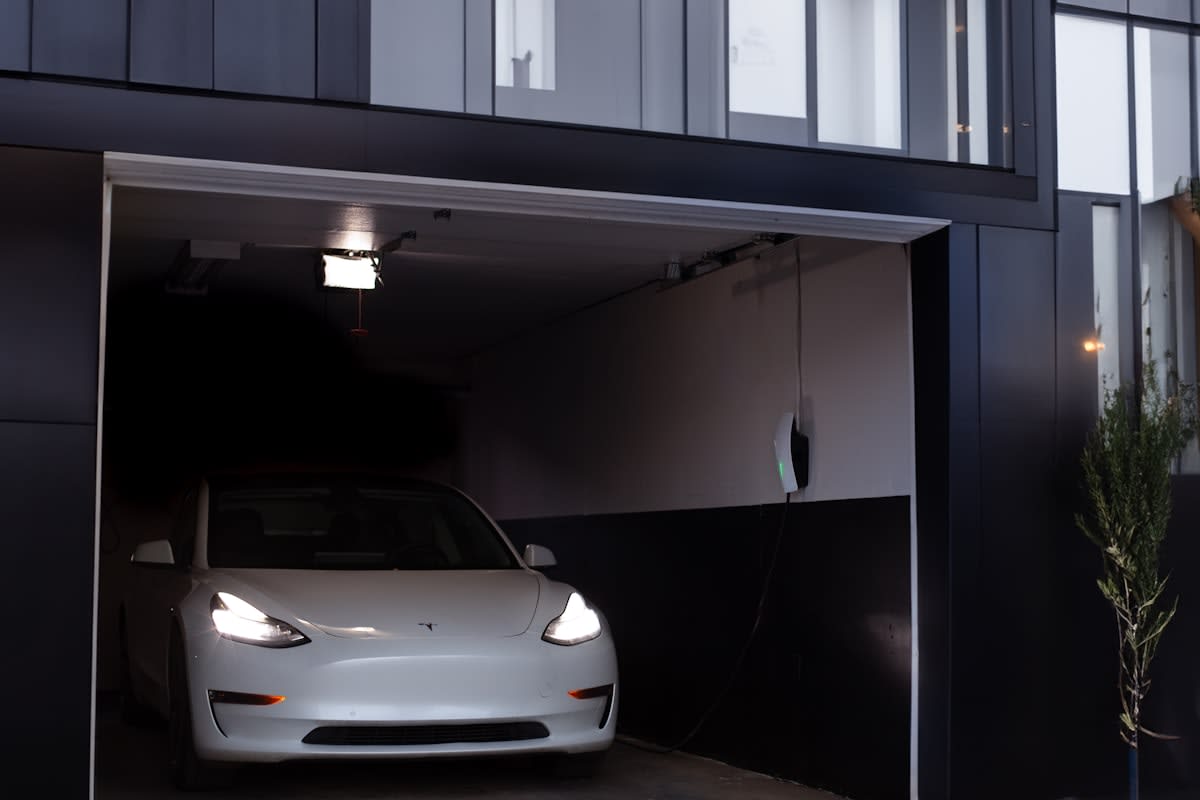
- Hardware Convergence: The integration of EV chargers, heat pumps, and batteries into a single BTM ecosystem managed by a single AI agent.
- Regulatory Lag: The widening gap between the speed of BTM technological adoption and the speed of utility commission rule-making.
Ultimately, the death of the centralized utility isn't a tragedy—it's an evolution. The centralized model was a product of the steam and coal era, designed for massive, concentrated energy sources. The digital era demands a distributed model. The Invisible Grid is simply the energy system finally catching up to the way the rest of our world works: decentralized, on-demand, and user-controlled.
Fact-Check & Accuracy Note
Key claims regarding LCOE and capacity growth are sourced from the International Energy Agency (IEA) 2023 reports and BloombergNEF battery price surveys. The 'death spiral' narrative and the 'Duck Curve' are well-documented phenomena in energy economics, though the exact speed of utility insolvency remains a subject of intense debate among economists and regulatory bodies.