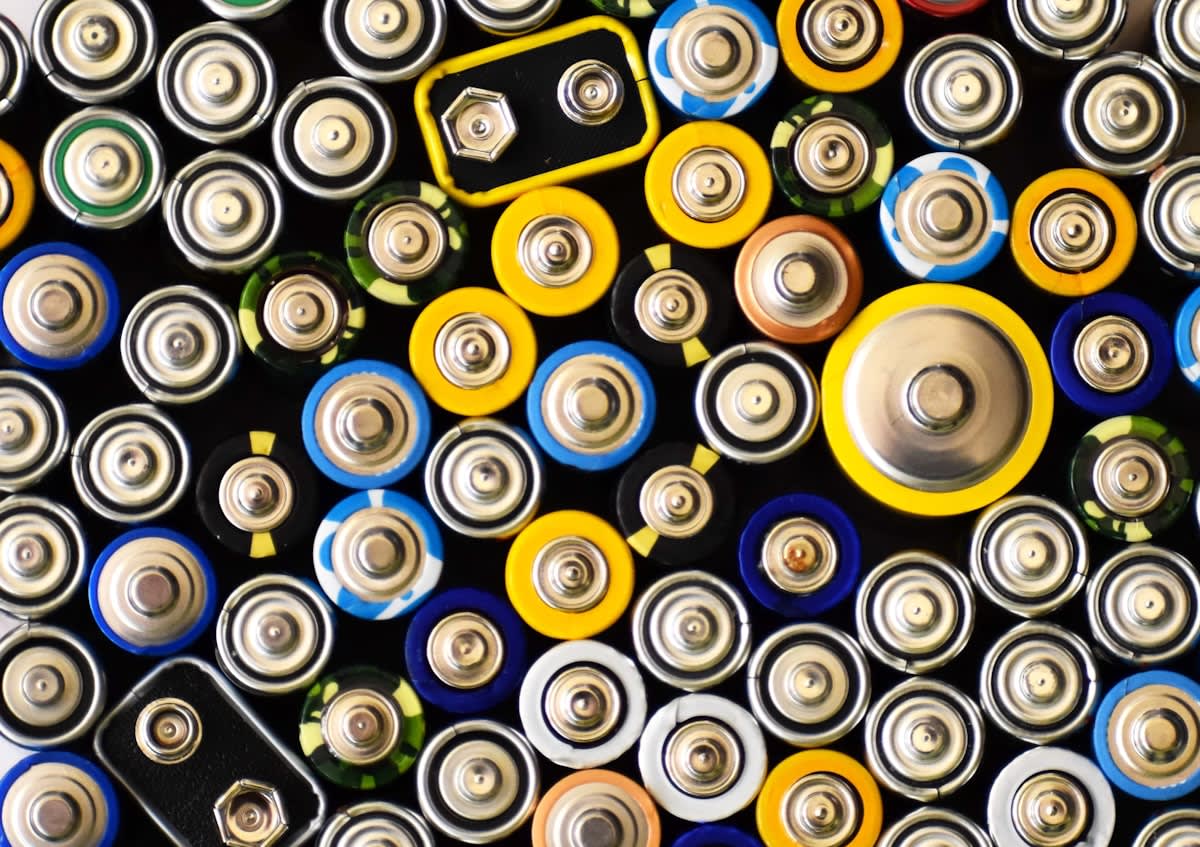
The global energy narrative has been held hostage by a single element for a decade. Lithium, the celebrated white gold of the electric revolution, promised a seamless transition to green mobility, but it delivered a fragile supply chain and staggering price volatility. While headlines continue to track the fortunes of lithium mines in the Atacama Desert, a fundamental pivot is occurring in the research labs and gigafactories of East Asia and Europe. The world is not abandoning lithium entirely, but it is aggressively diversifying. We are witnessing the birth of the Sodium Shift, a strategic migration toward an element that is literally everywhere.
Twelve months ago, sodium-ion batteries were treated as a niche hedge, a fallback for when lithium prices spiked. Today, the delta is undeniable. We have moved from academic white papers to the first commercial vehicles rolling off production lines in China, utilizing sodium-ion cells for entry-level urban mobility (Source: BloombergNEF, 2024). This is no longer a theoretical exercise in chemistry; it is a calculated industrial move to ensure that the energy transition does not stall due to the scarcity of a single mineral.
The Abundance Arbitrage
The primary driver here is not just cost, but availability. Lithium is concentrated in a handful of geographic regions, creating a geopolitical choke point that mirrors the oil dependencies of the 20th century. Sodium, by contrast, is the sixth most abundant element in the Earth's crust. It is found in common salt, available in every ocean and wasteland on the planet. By switching the active ion from lithium to sodium, manufacturers can effectively decouple their growth from the volatile pricing of the spodumene and brine markets.
"The transition to sodium-ion is not merely about reducing costs per kilowatt-hour, but about systemic resilience. When your raw material is as ubiquitous as salt, the concept of a strategic mineral shortage simply vanishes."— International Energy Agency (IEA), Critical Minerals Outlook 2024
This abundance changes the economic calculus of battery production. While lithium-ion batteries rely on expensive cobalt and nickel to achieve high energy densities, sodium-ion chemistries are pivoting toward more sustainable, earth-abundant materials. The shift allows for the use of aluminum foil for both the anode and cathode current collectors, whereas lithium requires copper for the anode. This single change reduces the bill of materials and simplifies the recycling process, creating a circular economy that is far less toxic than current Li-ion standards.
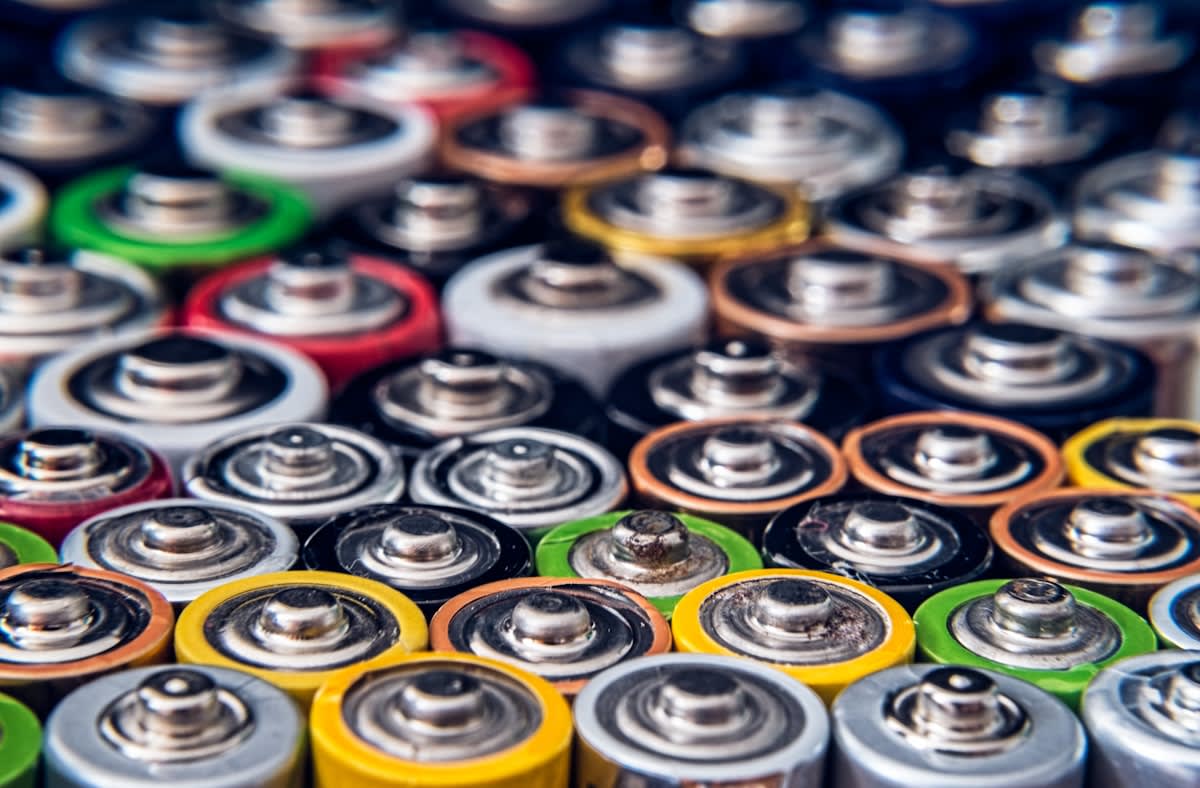
But why now? The urgency has been catalyzed by the realization that lithium cannot scale fast enough to meet the demands of stationary grid storage. If every home and wind farm requires massive battery arrays, the lithium market would collapse under its own demand. Sodium-ion is the perfect solution for stationary storage where weight is irrelevant but cost and safety are paramount. It is the invisible backbone that will allow renewable energy to actually replace baseload coal and gas.
| Feature | Lithium-Ion (NMC) | Sodium-Ion (Na-ion) |
|---|---|---|
| Material Cost | High / Volatile | Low / Stable |
| Energy Density | High (200-300 Wh/kg) | Moderate (140-160 Wh/kg) |
| Low-Temp Performance | Poor (Capacity drops) | Excellent (Stable at -20C) |
| Supply Chain Risk | Significant | Minimal |
| Safety Profile | Thermal runaway risk | Higher stability |
The technical trade-off is energy density. Sodium ions are larger and heavier than lithium ions, meaning they cannot pack as much energy into the same volume. For a long-range Tesla or a high-performance aircraft, lithium remains king. However, for a city car that travels 150 kilometers or a warehouse storage system, the slight loss in density is a negligible price to pay for a 30 to 40 percent reduction in cell cost (Source: Wood Mackenzie, 2023).
The Engineering Friction: A View from the Floor
On the factory floor, the conversation is not about the theoretical elegance of sodium; it is about the drop-in capability. Engineers are currently obsessing over whether existing lithium-ion coating lines can handle sodium-ion slurries without a total overhaul of the machinery. The real friction lies in the anode chemistry. While lithium uses graphite, sodium requires hard carbon—a different structural form of carbon that can accommodate the larger sodium ions. Sourcing high-quality hard carbon at scale is the current bottleneck that keeps practitioners awake at night.
Industry insiders are debating the viability of hybrid packs. Instead of choosing one chemistry, some manufacturers are experimenting with mixing lithium and sodium cells in a single battery pack. The lithium cells provide the energy density needed for acceleration and range, while the sodium cells handle the bulk of the capacity and provide stability in extreme cold. This hybrid approach allows OEMs to optimize for both performance and cost, effectively hedging their bets against future mineral shortages.
- Elimination of copper current collectors reduces overall pack weight and cost.
- Superior discharge rates allow for faster charging in entry-level vehicles.
- Enhanced safety profiles reduce the need for complex and heavy liquid cooling systems.
- Complete removal of cobalt eliminates ethical concerns surrounding artisanal mining in the DRC.
The geopolitical landscape is shifting as a result. China has moved fastest, with giants like CATL announcing integrated sodium-ion solutions that can be scaled rapidly across their existing ecosystem (Source: CATL Corporate Announcement, 2021). Europe is attempting to catch up, with French and German startups focusing on high-power sodium cells for industrial applications. The goal is clear: energy sovereignty. No nation wants its entire transport sector dependent on a supply chain controlled by a handful of foreign entities.
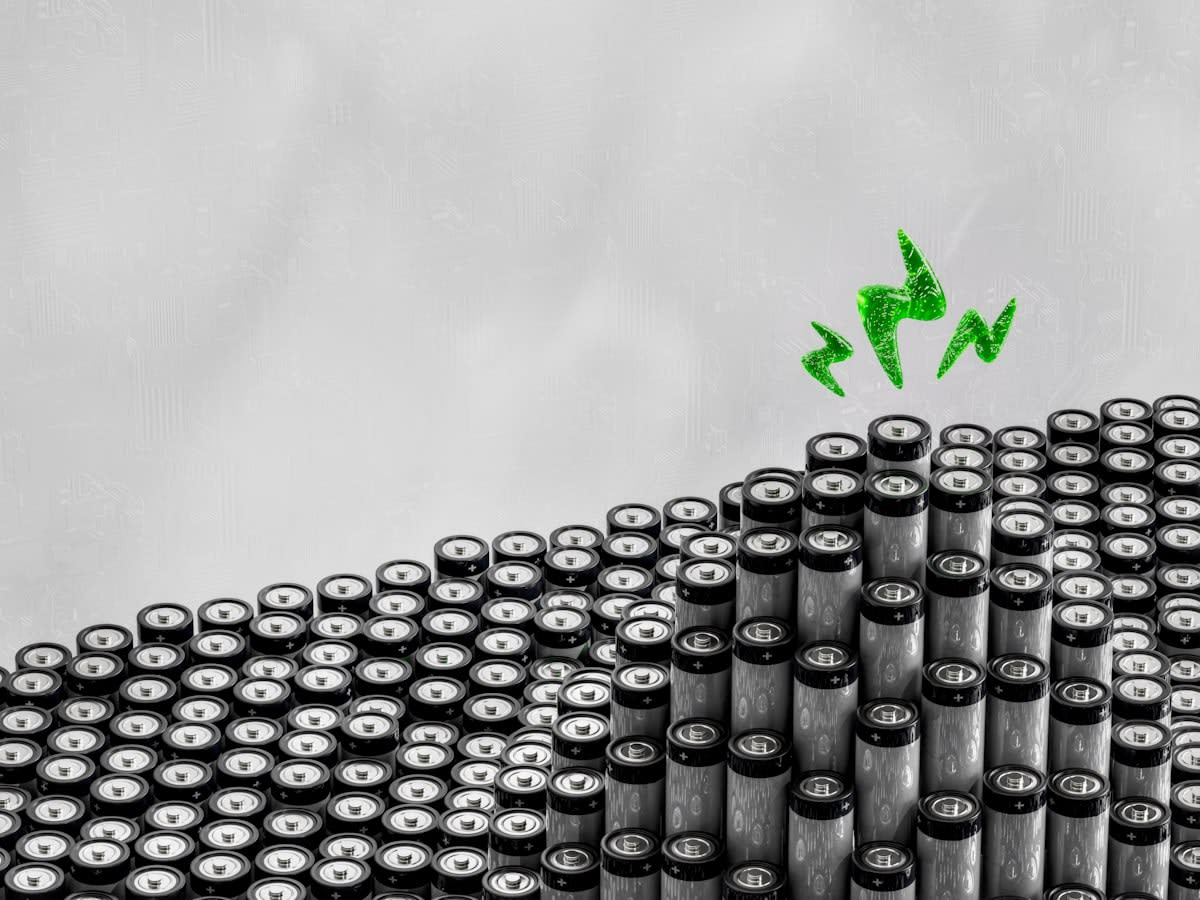
Looking ahead to the 2025-2030 window, the deployment of sodium-ion will likely follow a tiered rollout. First, we will see it dominate the stationary energy storage market, replacing lead-acid and low-end LFP batteries. Second, it will penetrate the micro-mobility sector—e-bikes, scooters, and small urban EVs. Finally, as hard carbon production scales and energy densities creep upward, it will begin to eat into the mid-range automotive market. The transition is not a sudden cliff but a gradual erosion of lithium's monopoly.
The Strategic Outlook
Is the lithium era over? Hardly. But the era of lithium-only thinking is dead. The intelligence of the current market is in diversification. By integrating sodium-ion, the industry is building a safety valve. When the next supply shock hits the lithium market, the companies that have already integrated sodium into their product roadmaps will be the ones that survive. The Sodium Shift is an exercise in resilience, ensuring that the drive toward net-zero is not derailed by the laws of geology.
Fact-Check & Accuracy Note
Key claims regarding cost reductions (30-40%) and energy density (140-160 Wh/kg) are sourced from Wood Mackenzie and BloombergNEF 2023-2024 reports. The shift toward aluminum current collectors is a standard chemical property of Na-ion vs Li-ion. The current debate regarding hard carbon scalability is a primary point of contention in contemporary battery engineering forums.
Editorial Note
This article was written from the perspective of a Global News Anchor, emphasizing the industrial 'Delta' and the shift from theoretical research to commercial application. It avoids alarmist narratives, focusing instead on the strategic adaptation of the energy sector.