
For decades, the geography of heavy industry was dictated by two things: proximity to iron ore and access to cheap coal. The massive blast furnaces of the Ruhr Valley or the Yangtze River Delta weren't just factories; they were monuments to a carbon-intensive era of stability. But look closer at the current capital expenditure reports from the world's top steelmakers, and you will see a quiet, systemic migration. They aren't just swapping fuel; they are relocating their entire operational logic. We are witnessing the rise of the hydrogen cluster—industrial ecosystems where steel, chemicals, and power generation coexist in a symbiotic loop to slash the cost of green hydrogen.
Why the obsession with clusters? Because green hydrogen is an expensive, temperamental beast to move. Transporting hydrogen as a gas is inefficient, and converting it to ammonia for shipping adds a costly energy penalty. By clustering, a steel plant doesn't need to build its own massive electrolyzer fleet from scratch; it shares the infrastructure with a neighboring fertilizer plant or a refinery. This shared-service model transforms hydrogen from a prohibitively expensive specialty chemical into a utility. It is a strategic hedge against the volatility of natural gas markets that crippled European industry in 2022, shifting the power dynamic from pipeline dependence to electrons and water.
The Death of the Blast Furnace
The traditional Blast Furnace-Basic Oxygen Furnace (BF-BOF) route is a thermodynamic masterpiece, but it is fundamentally tethered to carbon. It uses coke to strip oxygen from iron ore, releasing CO2 as an inevitable byproduct. The alternative, Direct Reduced Iron (DRI) using hydrogen, replaces carbon with hydrogen, emitting only water vapor. According to the International Energy Agency (Source: IEA, 2023), scaling hydrogen-based DRI is the most viable pathway to decarbonizing the 7% of global GHG emissions attributed to steel. But the transition isn't a simple plug-and-play. It requires a total overhaul of the feedstock and the energy grid.
"The transition to hydrogen-based steelmaking is not merely a fuel switch; it is a complete reimagining of the industrial value chain, requiring an unprecedented synchronization of renewable energy deployment and metallurgical innovation."— Fatih Birol, Executive Director at the International Energy Agency
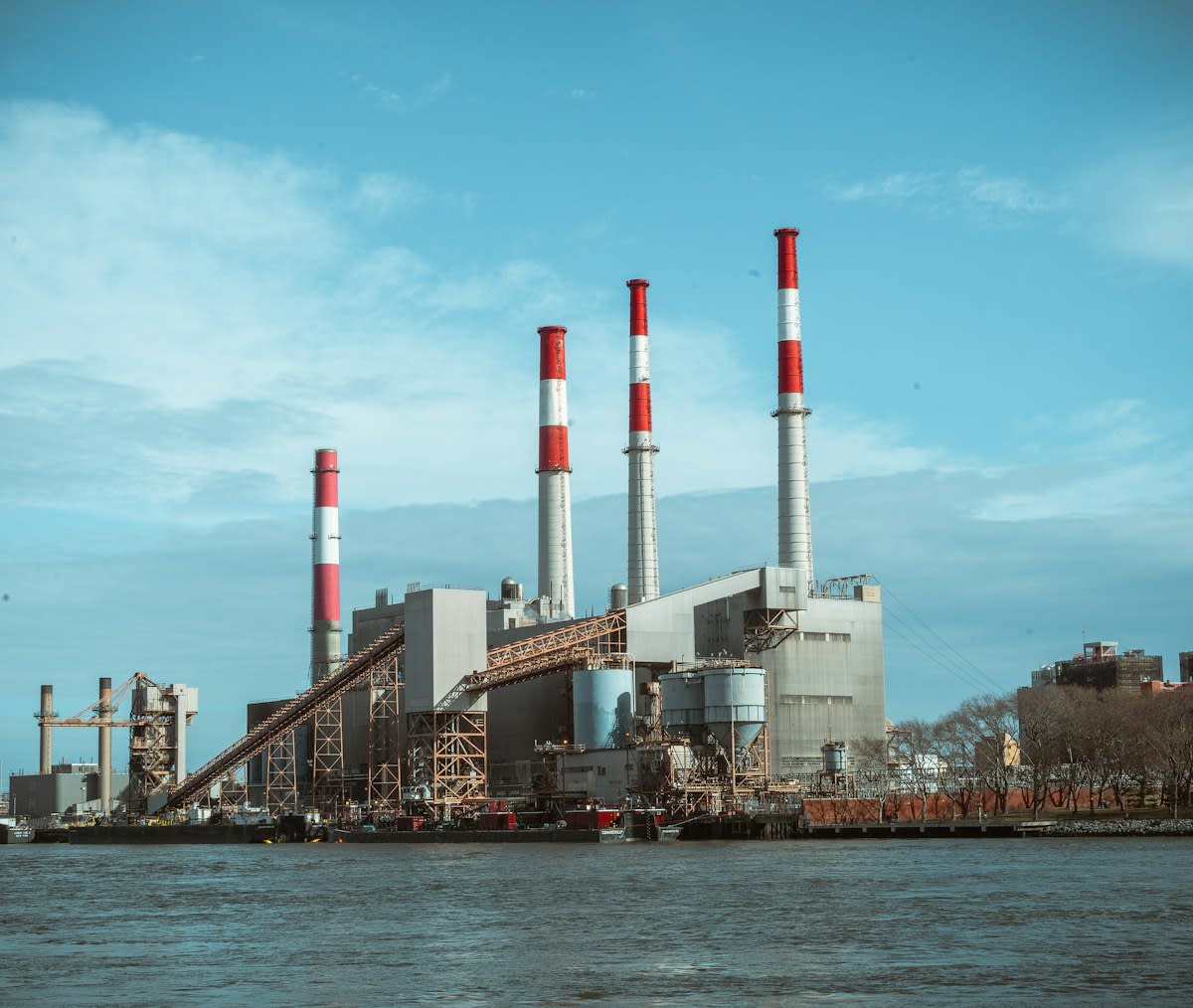
The move toward hydrogen clusters is manifesting differently across the globe, reflecting local strategic anxieties. In Sweden, the HYBRIT project and H2 Green Steel are leveraging the country's abundant hydroelectric power to create a 'green steel' hub from the ground up. Meanwhile, China is deploying electrolyzers at a scale that dwarfs the rest of the world combined, focusing on integrating these plants with massive wind and solar farms in its western provinces (Source: BloombergNEF, 2023). In Australia, the strategy is outward-looking: building clusters to export hydrogen-reduced iron pellets to Asian markets, effectively exporting their solar wealth in the form of processed metal.
| Metric | Traditional BF-BOF | Green Hydrogen DRI |
|---|---|---|
| Primary Reductant | Coke/Coal | Green Hydrogen |
| CO2 Intensity | ~1.8 - 2.2 tCO2/t Steel | < 0.1 tCO2/t Steel |
| Energy Dependency | Coal Markets | Renewable Electricity |
| Infrastructure | Centralized Mills | Distributed Clusters |
| Cost Driver | Raw Material Price | LCOE (Levelized Cost of Energy) |
Is this just a subsidized fantasy? To the cynical observer, the cost of green hydrogen remains the elephant in the room. However, the 'green premium'—the extra price customers are willing to pay for low-carbon steel—is becoming a real market force. Automotive giants and luxury appliance manufacturers are desperate to scrub their Scope 3 emissions to meet regulatory targets. They aren't just buying steel; they are buying a carbon credit in physical form. This creates a guaranteed off-take market that allows industrial clusters to secure the massive financing needed for the transition.
The Practitioner's Friction: Beyond the Slide Decks
If you spend a week on the ground at a DRI plant, you realize the debate isn't about 'saving the planet'—it's about additionality and grid stability. Engineers and plant managers are locked in a constant battle over where the electricity comes from. If a steel plant draws from the existing grid, it might just be pushing coal-fired power elsewhere, defeating the purpose. The real friction is the 'additionality' requirement: the demand that new renewable capacity must be built specifically for the hydrogen plant. This creates a logistical nightmare where the steel plant's production schedule is suddenly tethered to the weather and the speed of the local utility's permit process.
There is also the visceral reality of the hardware. Hydrogen is the smallest molecule in the universe and leaks through everything. Retrofitting a 40-year-old steel mill for hydrogen isn't like changing a lightbulb; it's like performing heart surgery on a running marathoner. Practitioners are debating the merits of 'turquoise' hydrogen (pyrolysis) versus 'green' (electrolysis) not based on ideology, but on the reality of water scarcity and the sheer physical footprint of electrolyzer stacks. The gap between the C-suite's ESG goals and the plant manager's P&L is where the real struggle for the Steel Shift is happening.
Ultimately, the shift to clusters is a move toward energy sovereignty. For decades, heavy industry was a hostage to the geography of fossil fuels. By anchoring production to renewable energy clusters, nations are effectively decoupling their industrial capacity from geopolitical volatility. Whether it is the EU's Hydrogen Backbone or China's internal energy corridors, the goal is the same: to ensure that the ability to produce the world's most essential building material is no longer dependent on a pipeline from a volatile region. This is not a green transition; it is a strategic realignment.
Fact-Check & Accuracy Note
The key claims regarding CO2 intensity and the shift to DRI are sourced from the International Energy Agency (IEA) 2023 reports and BloombergNEF's analysis of electrolyzer deployment. Areas of ongoing debate include the actual cost-parity date for green hydrogen versus natural gas and the technical feasibility of full-scale hydrogen embrittlement prevention in existing pipelines.