LG raises maximum age limit for nambardars in Ladakh from 60 to 63
Source Entity
Latest News: Todays Latest News Headlines from India & World | Hindustan Times | Hindustan Times
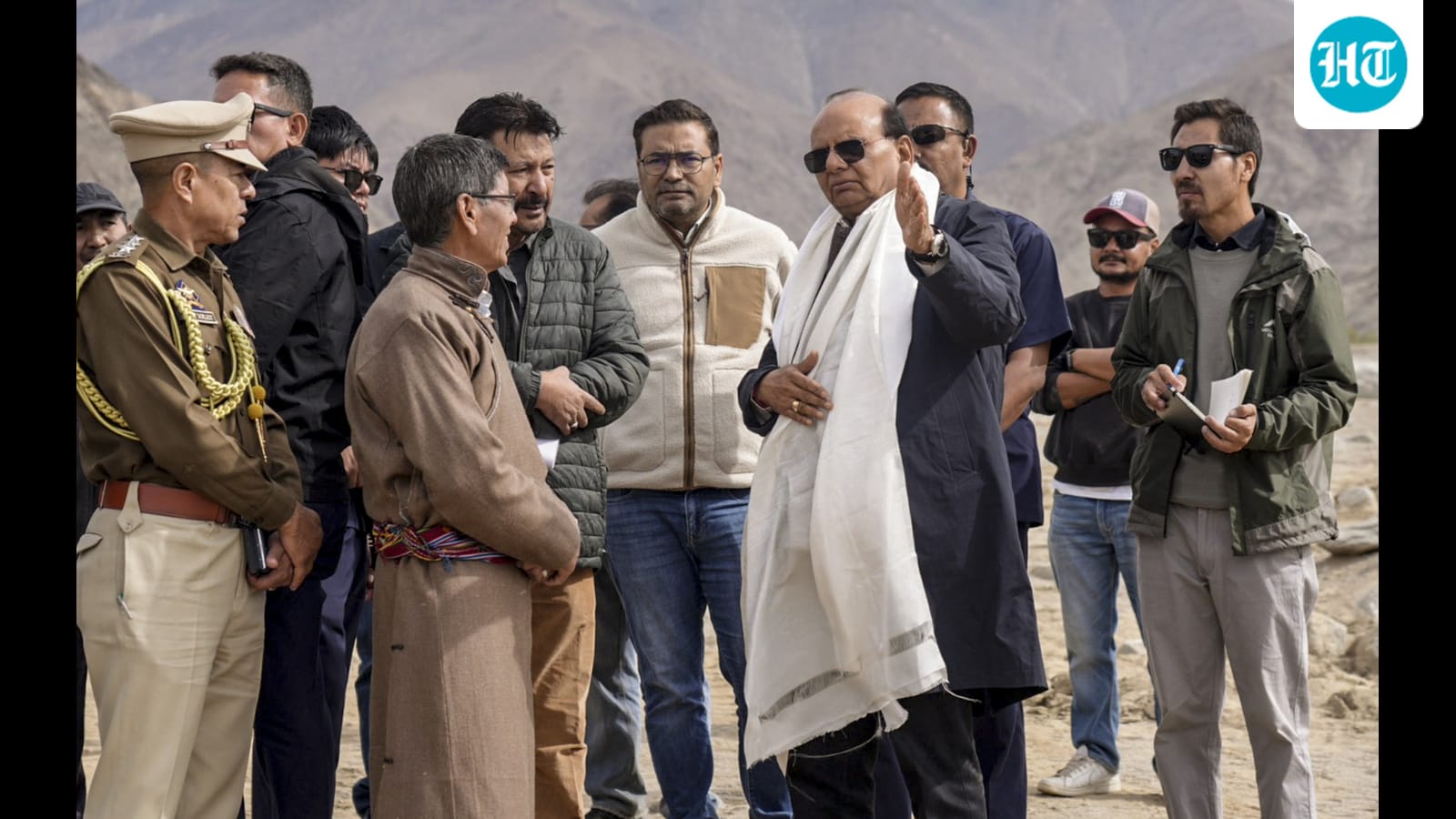
Ladakh's Lieutenant Governor has extended the retirement age for nambardars from 60 to 63 years. This policy change aims to preserve traditional administrative knowledge and stabilize local governance following requests from the All Ladakh Goba Association.
Strengthening Grassroots Governance in Ladakh
The decision by the Lieutenant Governor of Ladakh to increase the maximum age limit for nambardars from 60 to 63 years marks a significant shift in the administrative landscape of the Union Territory. By extending the service tenure of these local leaders, the administration acknowledges the vital role that experienced community figures play in maintaining order and facilitating communication between the government and the rural populace.
The Role of Nambardars in Local Administration
Nambardars serve as the foundational link between the state and the village, acting as intermediaries who handle local grievances, census-related tasks, and general administrative coordination. In the unique geographical and cultural context of Ladakh, the nambardar is not merely a government official but a repository of community tradition. Maintaining these individuals in their roles for an additional three years ensures that the institutional memory of each village remains intact, preventing the administrative vacuum that often accompanies the rapid turnover of local leadership.
Origins of the Reform
This policy change was not an arbitrary administrative directive but a direct response to a formal request from the All Ladakh Goba Association. During an October 3 interaction at Lok Niwas, representatives of the association articulated the necessity of retaining experienced personnel, provided they remain capable of discharging their duties. This collaborative dialogue highlights a proactive governance approach where the administration listens to the specific needs of local community stakeholders to refine existing policies.
Implications for Community Stability
The extension of the age limit is expected to foster greater stability in community-level governance. By allowing leaders to serve until age 63, the administration prevents the premature loss of expertise. This continuity is particularly important in regions like Ladakh, where remote village administration requires a high degree of local trust and familiarity with regional nuances that can only be cultivated over long years of service.
Future Trends in Regional Governance
Looking ahead, this move may serve as a template for other administrative reforms in the Union Territory. By prioritizing the retention of human capital at the village level, the LG’s office is signaling a commitment to a bottom-up approach in policy-making. If this extension successfully leads to more efficient governance and smoother service delivery, it is likely that the administration will continue to revisit other age-related or procedural constraints that currently limit the effectiveness of local representatives.
Conclusion
In summary, the decision to raise the age limit for nambardars from 60 to 63 represents a strategic investment in local stability. By aligning administrative policy with the practical needs of the All Ladakh Goba Association, the Lieutenant Governor has taken a tangible step toward empowering local leaders and ensuring that the traditional and administrative knowledge inherent in these roles is preserved for the benefit of the Ladakhi people.
Verification Required?