PDP leader arrested in Kishtwar after calling Burhan Wani ‘martyr’
Source Entity
Latest News: Todays Latest News Headlines from India & World | Hindustan Times | Hindustan Times
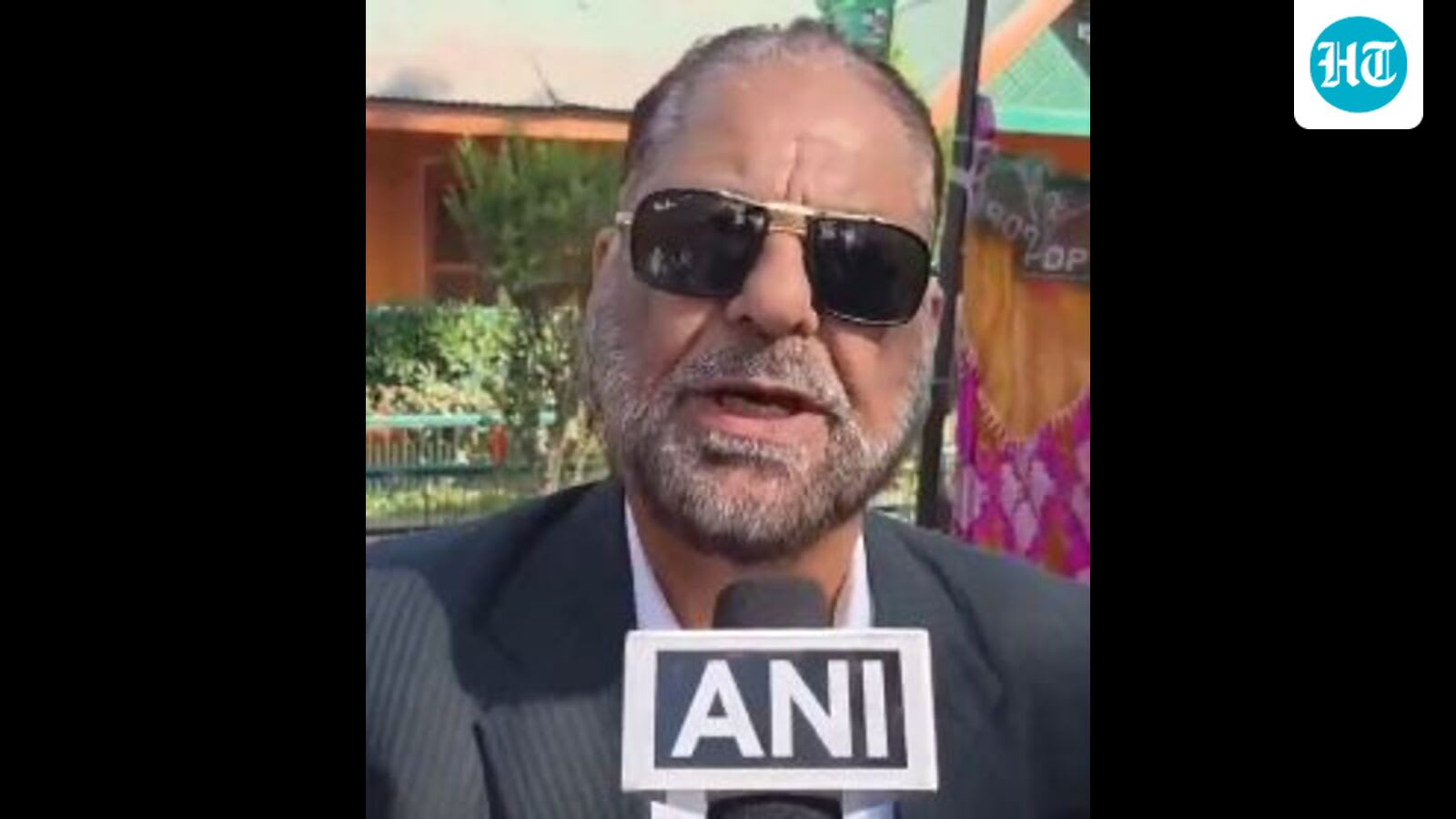
PDP leader Abdul Kabir has been arrested in Kishtwar for labeling slain militant commander Burhan Wani a 'martyr'. The incident has sparked significant political controversy and legal action by local authorities.
Political Turmoil in Kishtwar: The Arrest of Abdul Kabir
The arrest of Peoples Democratic Party (PDP) leader Abdul Kabir in the Kishtwar district marks a significant flashpoint in the ongoing political discourse surrounding militancy in Jammu and Kashmir. The arrest followed Kabir’s public characterization of Burhan Wani, a deceased Hizbul Mujahideen commander, as a "martyr" during a local event. This provocative statement has triggered swift intervention from law enforcement, with Kishtwar Deputy Commissioner Pankaj Sharma confirming the detention and the initiation of legal proceedings.
The Historical Context of Burhan Wani
To understand the gravity of this incident, one must look back at the impact of Burhan Wani on the region's security landscape. Wani, who gained notoriety as the "poster boy" of militancy in the Kashmir Valley, was killed during a security operation on July 8, 2016, in the Kokernag area of Anantnag district. His death served as a catalyst for widespread civil unrest and a prolonged period of instability, making any public glorification of his role a highly sensitive and legally precarious issue within the Indian political framework.
Political Polarization and Accountability
Kabir’s rhetoric did not stop at praising Wani; he also engaged in a contentious critique of political rivals, specifically questioning the actions of certain BJP leaders who allegedly visited the home of the slain militant’s family to offer support and compensation. This highlights a deep-seated polarization in regional politics, where historical grievances and conflicting narratives regarding militancy are weaponized to challenge opponents. By invoking the actions of BJP figures, Kabir attempted to contextualize his stance within a broader political critique, yet this maneuver resulted in immediate legal repercussions.
Legal and Security Implications
In the context of Jammu and Kashmir’s security environment, public statements that are perceived to glorify militant figures are often scrutinized under strict legal frameworks intended to maintain public order. The swift response by the Kishtwar administration underscores a zero-tolerance policy toward rhetoric that could potentially incite unrest or undermine the sacrifices of security forces. The legal process currently underway will likely focus on whether Kabir’s words constitute a violation of statutes governing public speech and national security.
Broader Trends in Regional Discourse
This event reflects a broader trend of heightened vigilance by the administration regarding political speech that intersects with militant legacies. As the region continues to navigate its complex transition, the clash between freedom of expression and the necessity of maintaining communal and national security remains a defining feature of the political landscape. The arrest of a political figure for these specific comments signals that the state remains committed to curbing narratives that validate figures associated with anti-state activities.
Conclusion
The arrest of Abdul Kabir serves as a stark reminder of the volatile nature of political discourse in Jammu and Kashmir. As the investigation progresses, the case will likely serve as a litmus test for how administrative and legal bodies manage the fine line between political dissent and the glorification of figures linked to past militancy. The incident highlights the persistent challenges in achieving political stability when historical narratives remain deeply contested by various stakeholders.
Verification Required?