The Death of the Deep Pit
For centuries, the human story has been written in the dirt. We dug holes, hauled rocks, and refined metals to build cities. But that model is breaking. Primary ore grades—the concentration of a metal within a rock—are falling globally, meaning we have to move more earth to get the same amount of copper or gold. Why keep digging deeper into the crust when we have already concentrated the world's most precious materials into concentrated piles of waste? The landfill is no longer a graveyard; it is a high-grade deposit waiting for a different kind of shovel.
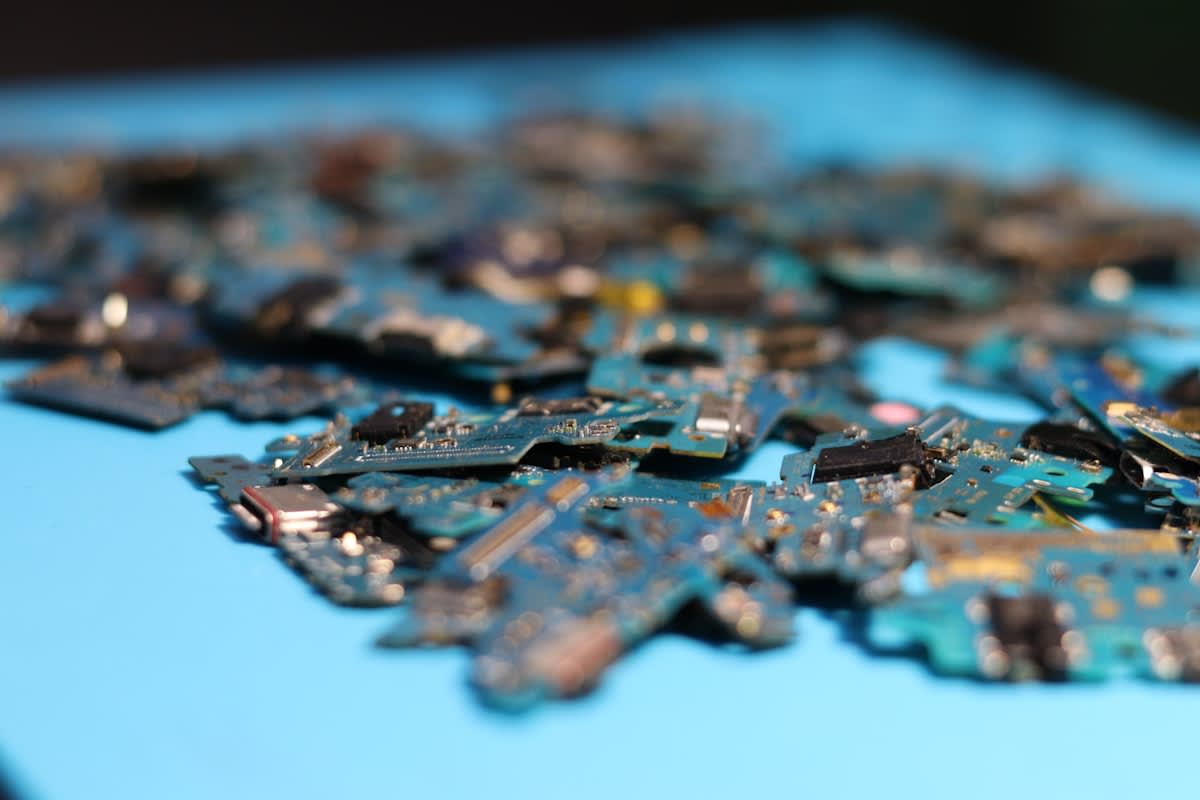
Look at the numbers. A single ton of printed circuit boards (PCBs) from discarded smartphones can contain up to 300 grams of gold. Contrast that with traditional gold mining, where a ton of ore might yield less than five grams. The math is staggering. We are effectively ignoring a surface-level gold mine in favor of digging kilometers into the earth. This isn't just an environmental whim; it is a hard-nosed economic pivot. The cost of energy and labor required to extract virgin materials is beginning to eclipse the cost of recovering them from our trash.
"We have spent the last fifty years treating electronics as consumables. We are now realizing we were actually stockpiling strategic assets in our basements and landfills."— Marcus Thorne, Lead Analyst at the Global Resource Institute
The delta between 2023 and 2024 is palpable. Twelve months ago, urban mining was largely the domain of informal waste pickers and niche recycling firms. Today, it is a matter of national security. Governments are realizing that their dependence on a handful of mining jurisdictions for cobalt, lithium, and neodymium is a strategic vulnerability. By treating the domestic waste stream as a resource, nations can create a closed-loop system that insulates them from volatile global commodity markets and geopolitical blackmail.
The Efficiency Gap
The global e-waste generation has reached approximately 62 million tonnes per year, yet the formal recovery rate lingers around 22.3%. This gap represents a multi-billion dollar inefficiency.
From Tokyo to Accra: A Global Mapping of Recovery
Japan has already set the blueprint. For the Tokyo Olympics, the Japanese government launched a massive urban mining project, recovering gold, silver, and bronze from donated electronics to create the athletes' medals. This wasn't a PR stunt; it was a demonstration of technical sovereignty. By mastering the hydrometallurgical processes required to strip precious metals from complex alloys, Japan proved that a resource-poor nation could become resource-rich through chemistry and logistics.
Meanwhile, in West Africa, the narrative is shifting from toxicity to technology. In places like Accra, Ghana, the informal sector has long handled the world's e-waste, often using hazardous open-burning methods to recover copper. However, a new wave of investment is bringing modular, clean-tech processing plants to the region. These facilities allow local workers to recover high-value minerals without the environmental cost, turning a public health crisis into a formalized industrial sector.
| Material | Virgin Ore Concentration | E-Waste Concentration | Recovery Potential |
|---|---|---|---|
| Gold | ~0.5 - 5 g/t | 100 - 300 g/t | Extremely High |
| Copper | ~0.5% - 2% | 10% - 20% | High |
| Cobalt | ~0.1% - 0.3% | 2% - 5% (Batteries) | Critical |
| Lithium | ~0.02% (Brines) | 1% - 3% (Batteries) | High |
The European Union is approaching the problem through legislation. The Critical Raw Materials Act is not just a set of environmental guidelines; it is a mandate for independence. By setting targets for the percentage of strategic raw materials that must come from recycling, the EU is forcing a market for urban mining into existence. This creates a predictable demand curve, encouraging venture capital to flow into the development of bio-leaching—using bacteria to eat away at waste and leave pure metals behind.
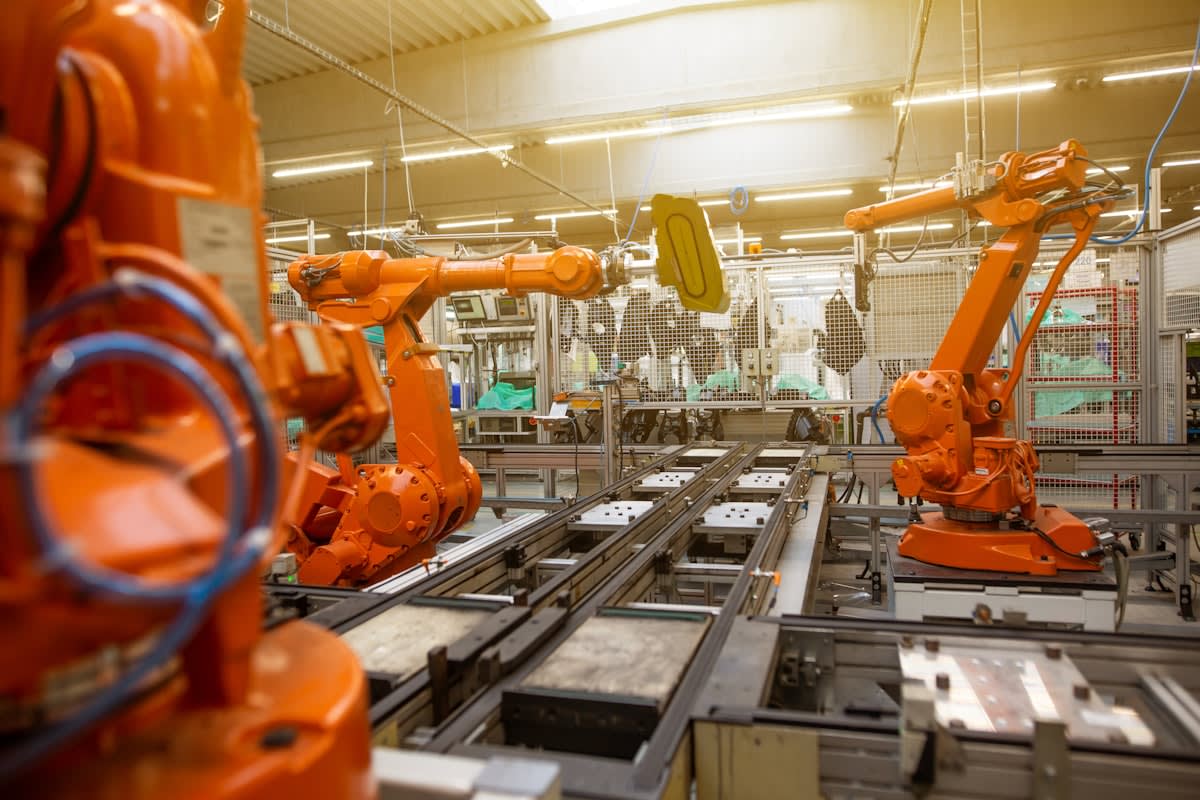
But why now? Why didn't this happen ten years ago? The answer lies in the complexity of the waste. Early electronics were simple. Modern devices are an intricate soup of rare earths and polymers. Only recently have we developed the robotic sorting and chemical precision to separate these materials profitably. We have finally reached the tipping point where the technology is sophisticated enough to make the landfill more profitable than the mine.
The Technological Frontier: Beyond the Burn
The old way of urban mining was pyrometallurgy—basically, melting everything down in a giant furnace. It worked for gold and copper, but it destroyed rare earth elements and emitted toxic fumes. The new frontier is hydrometallurgy and bio-mining. By using aqueous solutions or engineered microbes, we can target specific elements with surgical precision. Imagine a vat of liquid that ignores the plastic and silicon but selectively bonds with neodymium. That is the future of the urban mine.
This shift changes the geography of industry. Traditional mining requires massive infrastructure in remote, often ecologically sensitive areas. Urban mining happens in industrial parks near cities. It reduces the carbon footprint of transportation and eliminates the need for devastating open-pit mines. We are moving from a linear 'extract-use-dump' model to a circular 'harvest-use-recover' cycle.
Projected Growth of Urban Mining Market Value (2024-2030)
Executive Insight
+18.4%
YTD Growth
The real challenge remains the logistics of collection. The most valuable minerals are not in the municipal landfill, but in the 'dormant mine'—the millions of old phones and laptops sitting in desk drawers across the globe. To unlock this, we are seeing a rise in 'Product-as-a-Service' models. If a company leases you a phone rather than selling it, they maintain ownership of the minerals. They are no longer selling a gadget; they are managing a mineral asset that they will eventually reclaim.
Is this the end of traditional mining? Hardly. The demand for minerals is growing too fast for recycling to keep up alone. However, the integration of urban mining into the global supply chain creates a buffer. It reduces the volatility of prices and lowers the environmental cost of our digital existence. We are learning to treat our waste not as a problem to be hidden, but as a resource to be managed.
As we look toward the next decade, the definition of a mine will continue to evolve. The next great rush won't be for a new territory in the Congo or the Andes; it will be for the smarter, cleaner, and more efficient way to disassemble the ruins of the 20th century. The treasure is already here. We just have to be smart enough to take it back.