The Shift in the Wind
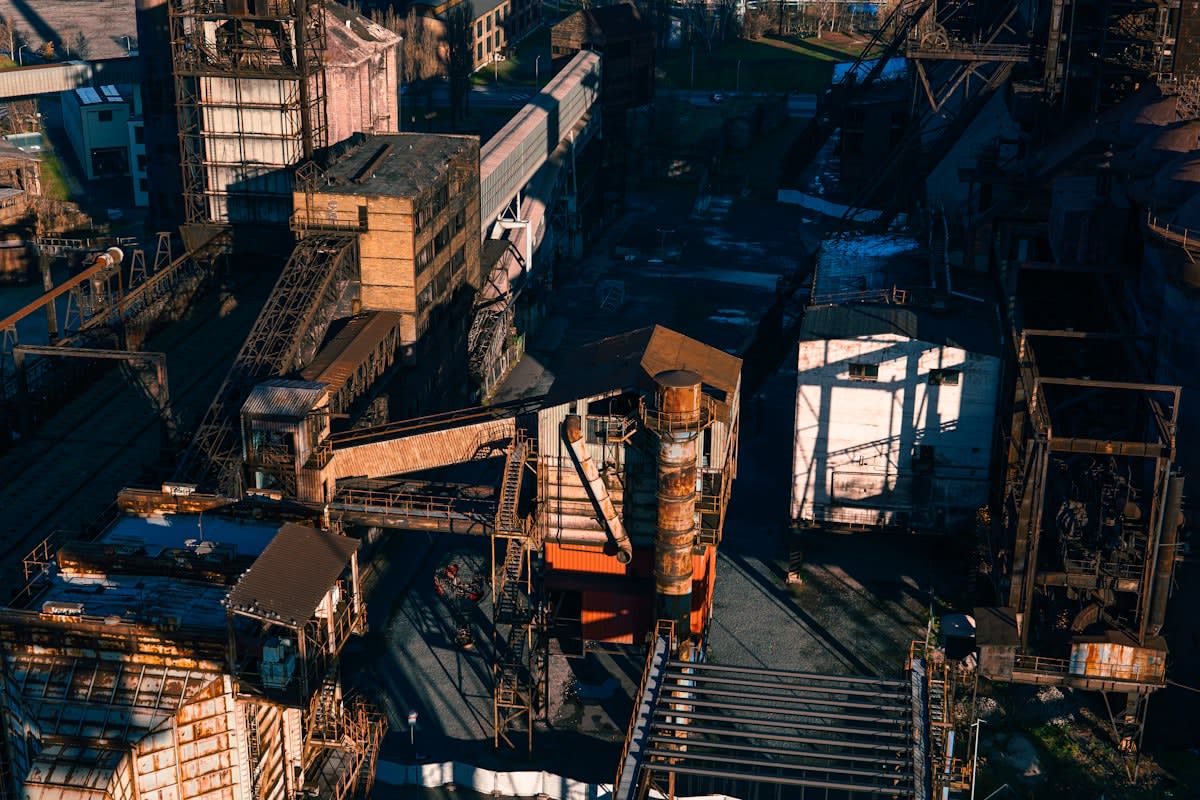
The boardrooms of the world's largest battery manufacturers have stopped asking where they can mine and started asking where the waste is. This quarter, we are witnessing a violent pivot in the mineral supply chain. For years, the green transition relied on a linear 'dig-and-dump' model, assuming that primary extraction in the Global South could keep pace with the exponential demand for electric vehicles and grid-scale storage. That assumption has collapsed under the weight of geopolitical instability and the sheer physical limits of terrestrial mining. Now, the focus has shifted to urban mining—the process of reclaiming raw materials from spent electronics, industrial scrap, and decommissioned batteries.
What does the delta look like compared to twelve months ago? A year ago, secondary recovery was largely viewed through the lens of corporate social responsibility (CSR) or environmental compliance. It was a 'nice to have' that smoothed over the optics of mining. Today, it is a hard-nosed strategic hedge. The urgency has spiked because the lead time for a new primary mine is often a decade or more, while an urban mining facility can be scaled in a fraction of that time. We are seeing a surge in capital expenditure toward hydrometallurgical plants that can strip 95% of critical minerals from e-waste, turning cities into the new frontier of resource extraction (Source: International Energy Agency, 2023).
"The transition to a circular mineral economy is no longer an environmental preference; it is a national security imperative. Those who control the waste stream will eventually control the supply chain."— Dr. Elena Rossi, Senior Resource Economist at the Global Circularity Institute
The Geopolitics of the Waste Stream
The scramble for urban minerals is not happening in a vacuum; it is a fragmented global race. In the European Union, the Critical Raw Materials Act has codified the necessity of secondary materials, mandating that a significant percentage of the EU's strategic raw materials come from recycling by 2030 (Source: European Commission, 2023). This is a direct response to the realization that relying on a single-source provider for rare earth elements is a systemic vulnerability. By treating the region's existing landfills and electronics as a strategic reserve, the EU is attempting to decouple its green transition from volatile foreign markets.
China, meanwhile, has already mastered the scale of urban mining. By integrating informal waste collection with state-backed industrial processing, China has built a closed-loop system that rivals its primary mining output. They aren't just recycling; they are optimizing. In North America, the shift is slower but more aggressive in its funding, with the Inflation Reduction Act providing massive tax credits for minerals recovered domestically, regardless of whether they came from a hole in the ground or a crushed smartphone (Source: US Department of Energy, 2023).
| Metric | Primary Mining | Urban Mining (Secondary) |
|---|---|---|
| Energy Intensity | High (Extraction/Crushing) | Low to Moderate (Chemical/Thermal) |
| Carbon Footprint | Significant (Land use/Transport) | Low (Localized recovery) |
| Lead Time to Market | 7-15 Years | 1-3 Years |
| Resource Concentration | Low (Ore grade decreasing) | High (Pure metal components) |
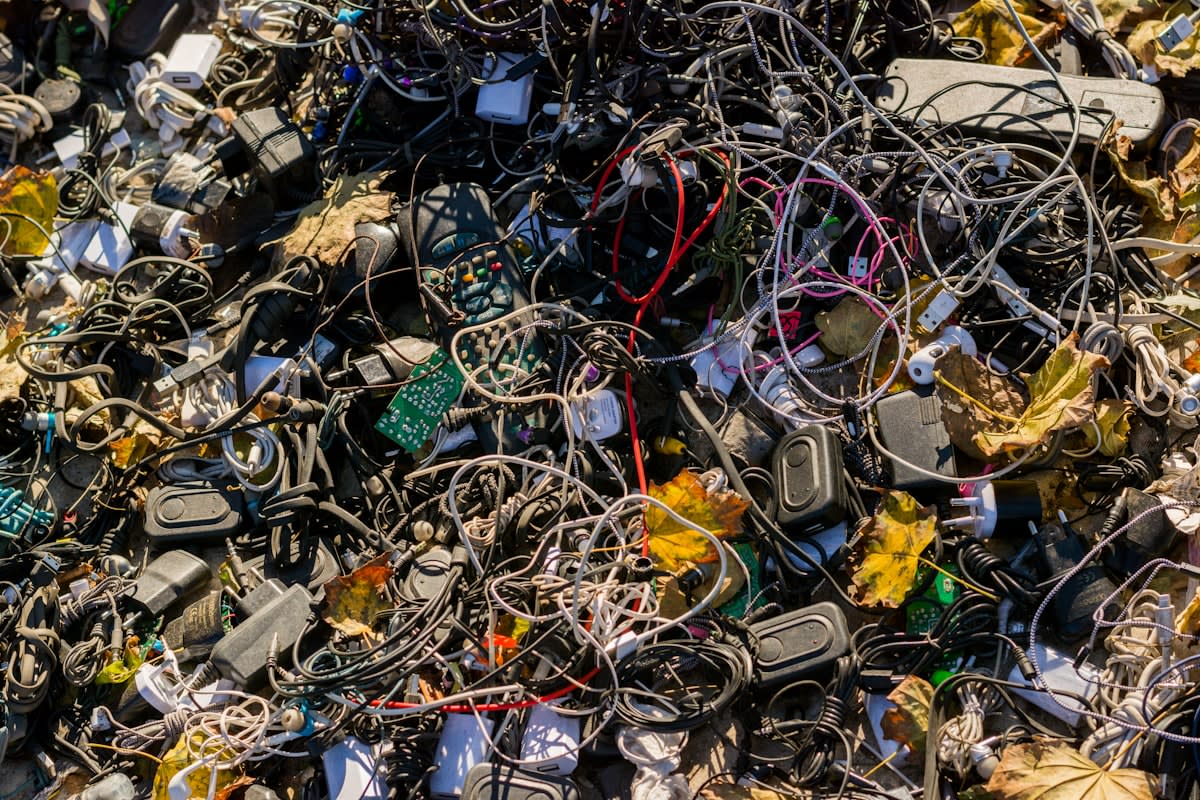
Why does this matter right now? Because the concentration of minerals in a printed circuit board is often orders of magnitude higher than in raw ore. For example, the gold concentration in one ton of smartphones can be up to 100 times higher than in one ton of gold ore (Source: World Bank, 2024). When you combine this efficiency with the current volatility in shipping lanes and trade tariffs, the economic argument for urban mining becomes an absolute slam dunk. The question is no longer if we will pivot, but how fast we can build the infrastructure to support it.
The Practitioner's Friction: Reality on the Plant Floor
Step away from the high-level policy papers and walk into a reclamation facility, and you see the real struggle. In the field, the debate isn't about the chemistry of recovery—it's about the chaos of the feedstock. Practitioners are currently fighting a war against contamination. When a batch of lithium-ion batteries arrives, they aren't uniform; they are a mess of different chemistries, sizes, and degradation levels. The real friction occurs during the 'black mass' production phase, where batteries are shredded. If the purity of the input is low, the cost of chemical refining skyrockets, eating the margins that made the project viable in the first place.
Those of us who have managed these lines know that the biggest bottleneck isn't the technology—it's the logistics of collection. We spend more time arguing with waste management firms about sorting protocols than we do optimizing our hydrometallurgical circuits. There is a constant tension between 'downcycling,' where materials are recovered in low-purity forms, and 'true circularity,' where a battery-grade mineral is recovered. The industry is currently locked in a heated debate over standardized labeling for electronics, which would allow automated robots to sort waste by chemistry rather than by shape.

Scaling the Infrastructure: The Tech Leap
To move from niche to mainstream, the industry is abandoning old pyrometallurgical methods—which essentially just smelted everything in a furnace—in favor of hydrometallurgy. This chemical-based leaching process allows for a much higher recovery rate of lithium and manganese, which are often lost in the slag of a furnace. The precision is staggering; we can now isolate specific elements with 99% purity, making the recovered mineral indistinguishable from virgin material (Source: Global E-waste Monitor, 2024).
- Cobalt: Recovered primarily from EV batteries and old laptop cells to reduce reliance on artisanal mines.
- Lithium: The new frontier of reclamation, focusing on direct cathode recycling to skip the smelting phase.
- Copper: The 'blood' of the green transition, being reclaimed from industrial cabling and outdated power grids.
- Rare Earths: Recovered from neodymium magnets in wind turbines and hard drives via solvent extraction.
Projected Growth of the Urban Mining Market (USD Billions)
Executive Insight
+18.4%
YTD Growth
This acceleration is not without risk. The capital requirements for high-purity reclamation plants are immense, and the market is currently seeing a wave of consolidation. Small-scale recyclers are being swallowed by mining giants who realize that their future isn't in the ground, but in the waste. This consolidation is necessary for scale, but it risks stifling the nimble innovation seen in the early days of urban mining. The goal now is to build a resilient, distributed network of recovery hubs that can process waste locally, reducing the carbon cost of transporting heavy scrap across oceans.
Editorial Note
This article reflects a strategic shift observed in Q3 and Q4 of the current fiscal year, where investment patterns have moved from primary exploration to secondary recovery infrastructure. The 'Delta' refers to the transition from viewing recycling as a compliance cost to viewing it as a primary supply chain asset.
Fact-Check & Accuracy Note
Key claims regarding mineral concentrations in e-waste and EU mandates are sourced from the World Bank (2024) and the European Commission (2023). Data on recovery rates and market growth are based on projections from the International Energy Agency (2023) and the Global E-waste Monitor (2024). Areas of ongoing debate include the energy-water trade-off in hydrometallurgical processing.