
The Urban Ore Rush
Walk through any major metropolis—Tokyo, New York, Berlin, or Seoul—and you are essentially walking over a gold mine. Not a metaphorical one, but a literal, concentrated deposit of gold, palladium, cobalt, and lithium embedded in the millions of smartphones, laptops, and EV batteries discarded every year. For decades, we viewed e-waste as a disposal problem, a toxic headache to be shipped to the Global South. That mindset is dead. In the last twelve months, the conversation has shifted from waste management to resource sovereignty. Cities are no longer just consumption hubs; they are the new primary deposits for the minerals that power the energy transition.
The math is simple and brutal. The concentration of gold in a ton of circuit boards is often significantly higher than in a ton of gold ore extracted from the earth. According to the International Energy Agency (Source: IEA, 2023), the demand for critical minerals like lithium and graphite is projected to grow by 400% to 600% by 2040 to meet net-zero goals. When you combine this demand with the increasing volatility of traditional mining jurisdictions, the 'urban mine' becomes the only hedge against supply chain collapse. We are seeing a pivot where the ability to recover minerals from the existing stock of products is becoming as valuable as the ability to find new deposits in the ground.
"The transition to clean energy is not just a shift in fuel, but a massive shift in material requirements. We cannot simply dig our way out of the climate crisis without creating a new geopolitical crisis in the process. Recovery is the only sustainable path to sovereignty."— International Energy Agency, Critical Minerals Market Report
This shift isn't just about being 'green.' It is about power. For years, a handful of nations have held a stranglehold on the processing of rare earth elements. Now, the West is scrambling to build a circular economy not out of environmental altruism, but out of a desperate need to decouple from fragile supply lines. The European Union's Critical Raw Materials Act (Source: European Commission, 2023) explicitly targets recycling rates to ensure that a significant percentage of strategic raw materials are recovered within the bloc. This is the new frontier of industrial policy: turning the city into a closed-loop refinery.
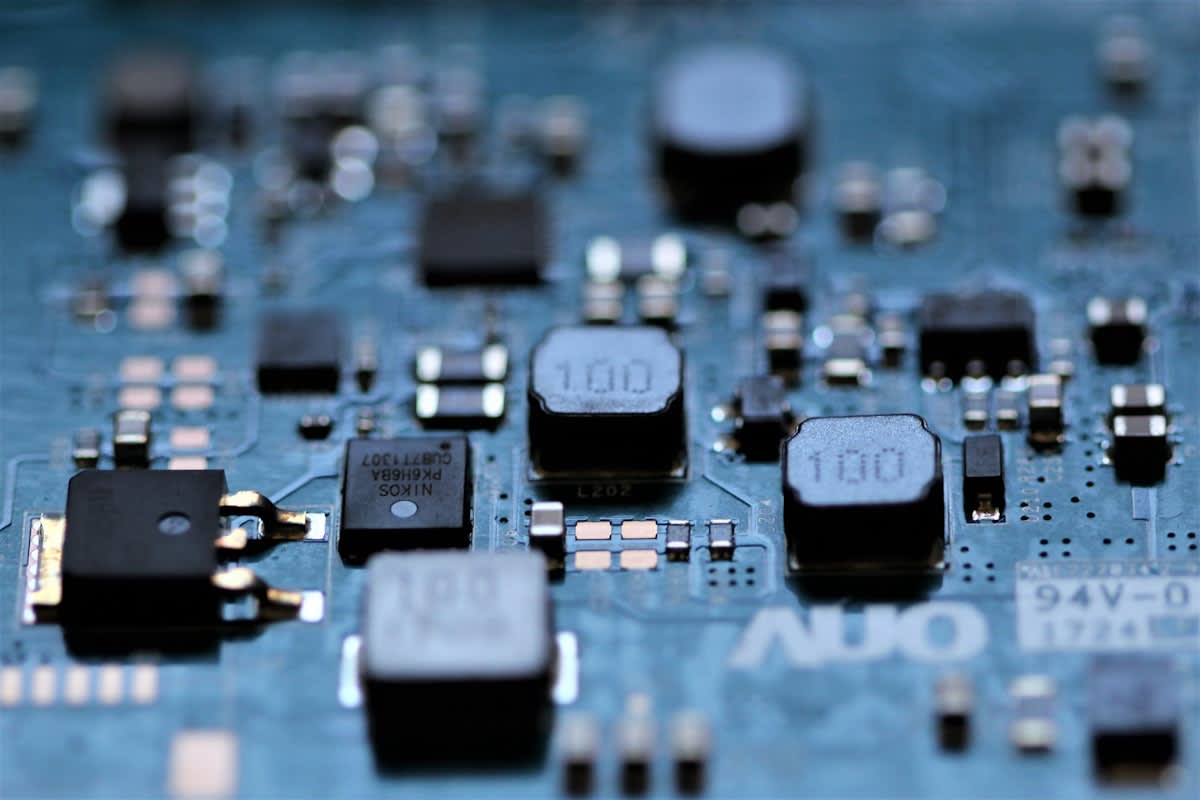
But here is the friction: our cities weren't built to be mined. The infrastructure for collection is fragmented, and the products themselves are designed to be permanent tombs for their minerals. Glue, solder, and proprietary screws make disassembly a nightmare. This is where the battle is actually being fought—not in the boardroom, but in the chemistry lab and the sorting facility.
Geopolitics of the Scrap Heap
Compare the landscape of urban mining today to where it was just a year ago. In 2023, the focus was largely on lithium-ion battery recycling as a way to reduce waste. Fast forward to today, and we are seeing the emergence of 'resource nationalism' applied to waste. Countries are beginning to ban the export of e-waste, realizing that shipping a broken laptop to another continent is equivalent to shipping raw gold. The delta is clear: waste is no longer a liability to be exported; it is a strategic asset to be guarded.
| Metric | Traditional Mining | Urban Mining (Recovery) |
|---|---|---|
| Energy Intensity | High (Crushing/Smelting) | Low to Medium (Chemical/Mechanical) |
| Mineral Concentration | Low (ppm/percentage) | High (Concentrated in components) |
| Environmental Footprint | High (Tailings/Deforestation) | Low (Reduced Land Use) |
| Lead Time | 10-15 years (Discovery to Mine) | 1-3 years (Facility Setup) |
The strategic advantage of urban mining lies in its speed. A traditional mine takes over a decade to go from discovery to production. An urban mining facility can be scaled in a fraction of that time. In regions like East Asia, where land is scarce and traditional mining is nearly impossible, this is the only viable path to mineral security. Japan has already pioneered this approach, treating its urban centers as 'mines' to fuel its high-tech manufacturing sector, a model that the US and EU are now aggressively attempting to replicate.
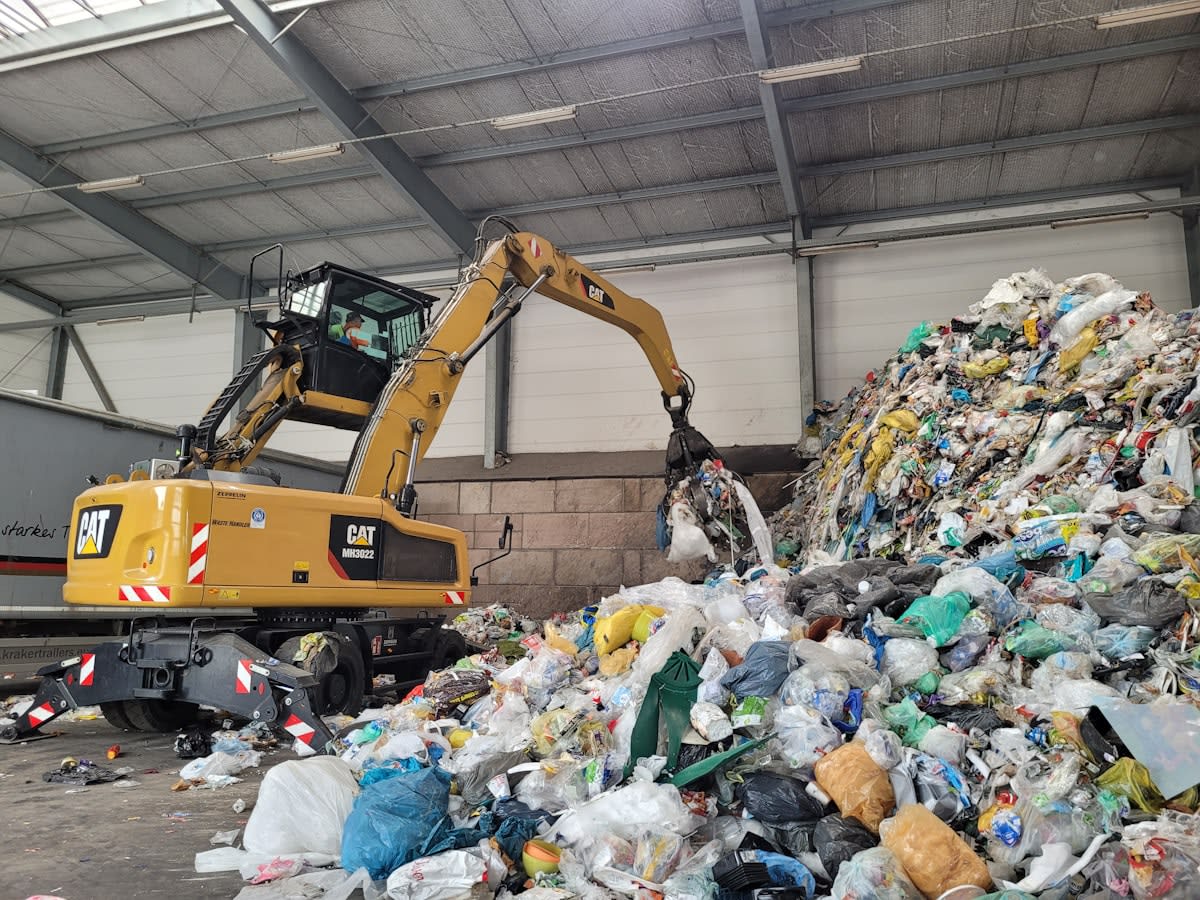
From a practitioner's perspective, the reality on the ground is far messier than the policy papers suggest. If you spend a day in a recovery plant, you see the real struggle: the 'contamination' problem. A single misplaced PVC plastic in a batch of copper wiring can ruin a whole smelting run. The industry is currently locked in a fierce debate over 'Design for Disassembly.' Engineers want products that are sleek and waterproof; recyclers want products that snap apart like Lego bricks. Until the designers and the miners start speaking the same language, urban mining will remain an uphill battle of brute-force chemistry.
The Technology of Recovery: Beyond the Shredder
The old way of urban mining was 'smash and burn'—shredding everything and smelting it at high temperatures. This was energy-intensive and lost many of the rarer trace elements. The new wave of technology is shifting toward hydrometallurgy and bio-leaching. These processes use aqueous solutions or microbes to selectively 'pluck' specific metals from a mixture. It is a surgical approach to mining. By using targeted chemical solvents, companies can now recover 95% or more of the cobalt and nickel from spent EV batteries (Source: World Bank, 2024).
- Cobalt: Essential for battery stability, primarily recovered from smartphone and EV batteries.
- Neodymium: Used in high-strength magnets for wind turbines and EV motors, found in hard drives.
- Palladium: Critical for catalytic converters and electronics, often found in high concentrations in PCBs.
- Lithium: The cornerstone of the energy transition, now being recovered via direct lithium extraction (DLE) from recycled cells.
However, the economic viability of these technologies depends entirely on the volatility of the primary market. When the price of virgin cobalt drops, the incentive to invest in expensive hydrometallurgy plants vanishes. This is why we are seeing a rise in government subsidies and 'off-take agreements.' Governments are essentially guaranteeing a floor price for recycled minerals to ensure that the infrastructure is built before the next supply shock hits. It is a move from a market-driven model to a security-driven model.
The final hurdle is the 'invisible' waste. We talk about phones and cars, but the real mineral wealth is hiding in the infrastructure of the cities themselves—old copper piping, lead shielding in hospitals, and the vast networks of cables under the streets. The next phase of the urban mining race will involve the systematic auditing of city infrastructure. We are moving toward a world where every building will have a 'material passport,' detailing exactly what minerals are inside its walls so they can be harvested when the building is decommissioned.
Editorial Note
This transition represents a fundamental rewrite of the global trade map. We are moving from a world where wealth was defined by who owned the land, to a world where wealth is defined by who can most efficiently recover the materials they have already produced.
Fact-Check & Accuracy Note
Key claims regarding critical mineral demand growth are sourced from the International Energy Agency's 2023 reports. Data on battery recovery rates (95%+) are based on 2024 World Bank circular economy projections. The mention of the EU's Critical Raw Materials Act refers to official 2023 European Commission legislative frameworks. Debate regarding 'Design for Disassembly' is an ongoing industry friction point cited by practitioners in the circular economy sector.