The Concrete Illusion
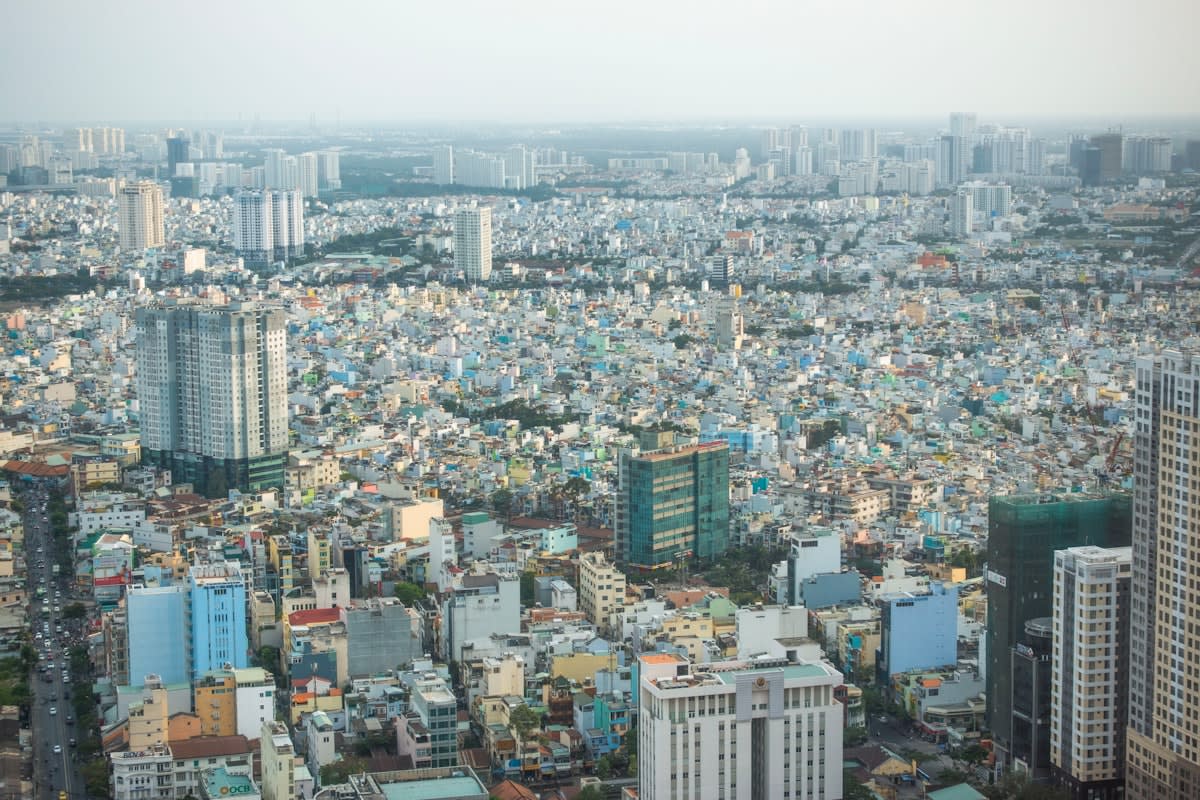
The big pipe is dead. For decades, the urban planning playbook in rapidly expanding cities was simple: build a larger conduit, push the water faster, and hope the destination could handle the deluge. This linear approach treated stormwater and sewage as enemies to be banished from the city center as quickly as possible. In cities like Ho Chi Minh City and Hanoi, this reliance on centralized grey infrastructure has reached a breaking point. When the pipes reach capacity, the city doesn't just leak; it drowns.
Why did we believe a bigger pipe was the answer? The centralized model assumes a stable environment and predictable growth. But Vietnam's urban reality is anything but stable. With urbanization rates climbing and sea levels encroaching on the Mekong Delta, the cost of maintaining massive, subterranean networks has become prohibitively expensive. The failure is not just technical; it is philosophical. We attempted to fight hydrology with concrete, and the water won.
The Paradigm Shift
The shift from centralized to decentralized hydrology represents a move from 'evacuation' to 'integration.' Instead of moving water out, cities are learning to live with it.
The delta between last year's strategy and today's implementation is stark. Twelve months ago, the primary discourse among municipal engineers focused on increasing pump capacity and deepening canals. Today, the conversation has shifted toward permeable surfaces and localized retention. This isn't a gradual evolution; it is a forced pivot. The realization that centralized systems cannot scale at the pace of urban sprawl has turned decentralized hydrology from a niche academic interest into a survival strategy.
The Decentralized Pivot
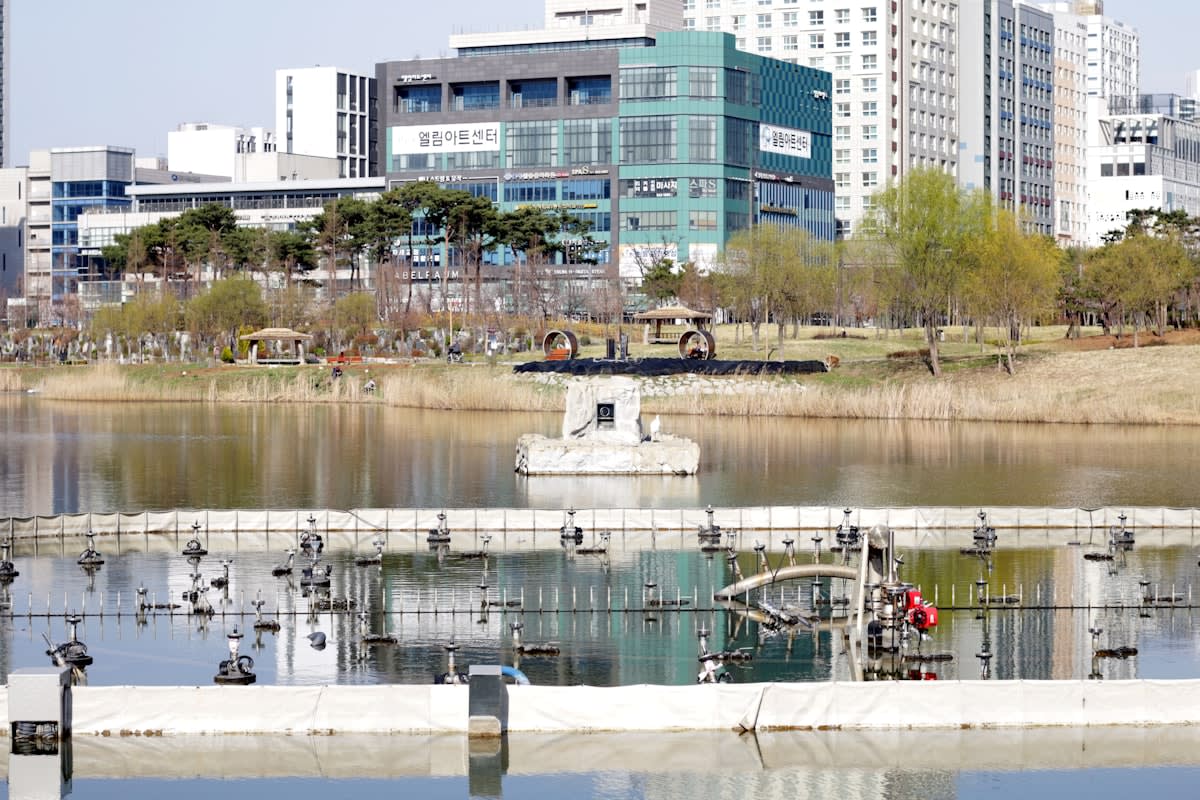
Decentralized hydrology operates on the principle of the 'Sponge City.' Instead of one massive treatment plant at the end of a long pipe, the city employs thousands of micro-interventions. Rain gardens, bioswales, and permeable pavements act as the first line of defense, absorbing water where it falls. This reduces the peak load on the remaining centralized infrastructure, preventing the catastrophic overflows that have historically paralyzed urban commerce during monsoon seasons.
The economic logic is equally compelling. Building a city-wide centralized sewage system requires astronomical capital expenditure and disrupts existing urban fabric for years. Decentralized nodes, however, can be deployed incrementally. By treating wastewater at the neighborhood level, cities can bypass the need for massive trunk lines. This modularity allows for rapid adaptation, enabling planners to scale capacity in specific districts without overhauling the entire city's grid.
| Feature | Centralized (Grey) | Decentralized (Green/Hybrid) |
|---|---|---|
| Initial CAPEX | Extremely High | Moderate/Modular |
| Resilience to Failure | Low (Single point of failure) | High (Distributed risk) |
| Environmental Impact | High (Disruptive) | Positive (Biodiversity) |
| Implementation Speed | Slow (Decades) | Fast (Months/Years) |
Consider the statistics. In many Vietnamese urban centers, the wastewater treatment rate has historically hovered around 15%, a staggering gap that centralized planning failed to close for decades. By pivoting to decentralized systems, some districts are seeing a 30% reduction in peak runoff during heavy rain events. This isn't just about preventing floods; it's about resource recovery. Decentralized systems make it feasible to treat and reuse greywater locally for urban irrigation, turning a waste stream into a utility.
"We are moving away from the era of the master plan and into the era of the adaptive network. The goal is no longer to control the water, but to negotiate with it."— Dr. Minh Nguyen, Urban Hydrology Specialist
This shift mirrors global trends but with a distinct Southeast Asian urgency. Singapore's NEWater system and Copenhagen's Cloudburst Management Plan provided the conceptual blueprint, but Vietnam is applying these lessons at a scale and speed rarely seen. While Copenhagen deals with sporadic bursts, Vietnam manages a relentless seasonal cycle. The result is a hybrid model that blends high-tech sensor networks with low-tech biological filters.
Projected Reduction in Urban Flood Risk via Decentralized Nodes
Executive Insight
+18.4%
YTD Growth
The transition is not without friction. Regulatory frameworks are still designed for the 'big pipe' era. Building codes often mandate centralized connections, and funding models are geared toward massive infrastructure projects rather than distributed maintenance. However, the financial tide is turning. Investors are recognizing that decentralized assets are less prone to the catastrophic 'all-or-nothing' failures of centralized grids, making them a more attractive hedge against climate risk.
- Permeable Pavement: Reducing surface runoff by up to 40% in residential zones.
- Modular Treatment Plants: Localized nutrient recovery for urban agriculture.
- Bioswales: Natural filtration systems that remove heavy metals from street runoff.
- Smart Cisterns: IoT-enabled tanks that release water based on weather forecasts.
The real-world impact is visible in the emerging 'green corridors' of Hanoi. By replacing concrete embankments with tiered wetlands, the city is creating buffers that absorb surge water while providing public recreational space. This is the essence of the new hydrology: multi-functional infrastructure. A park is no longer just a place for leisure; it is a critical piece of the city's drainage machinery.

Looking ahead, the scalability of this model depends on data. The integration of IoT sensors allows city managers to monitor water levels in real-time across thousands of decentralized nodes. This creates a 'digital twin' of the city's hydrology, enabling precise interventions. If one node is overwhelmed, the system can reroute flow to underutilized basins, creating a dynamic, self-healing network that no single pipe could ever emulate.
Vietnam's gamble on decentralized hydrology is a signal to the rest of the developing world. The era of chasing the 20th-century Western model of massive centralized utilities is over. For cities facing the dual pressures of explosive growth and environmental volatility, the path forward is not larger pipes, but smarter, smaller, and more distributed systems. The future of the city is not a machine, but an ecosystem.