
The Illusion of Stability
The global cocoa market broke in 2024. For decades, the industry operated on a precarious assumption: that West Africa would eternally provide a bottomless well of cheap beans regardless of the ecological or human cost. When prices surged past $10,000 per metric tonne, the headlines screamed about a crisis. They missed the point. This is not a temporary spike or a freak accident of nature. It is the market finally pricing in the externalities of a broken system that treated soil health and farmer livelihoods as disposable assets.
Why did it take a total price meltdown for the world to notice? The industry relied on a buffer of overproduction that masked deep systemic rot. We saw a pattern of aggressive expansion into primary forests, which provided short-term yield gains but long-term instability. Now, the bill has come due. The volatility we see today is the sound of a legacy model collapsing under its own weight, forcing a conversation about sustainability that was previously relegated to corporate social responsibility brochures.
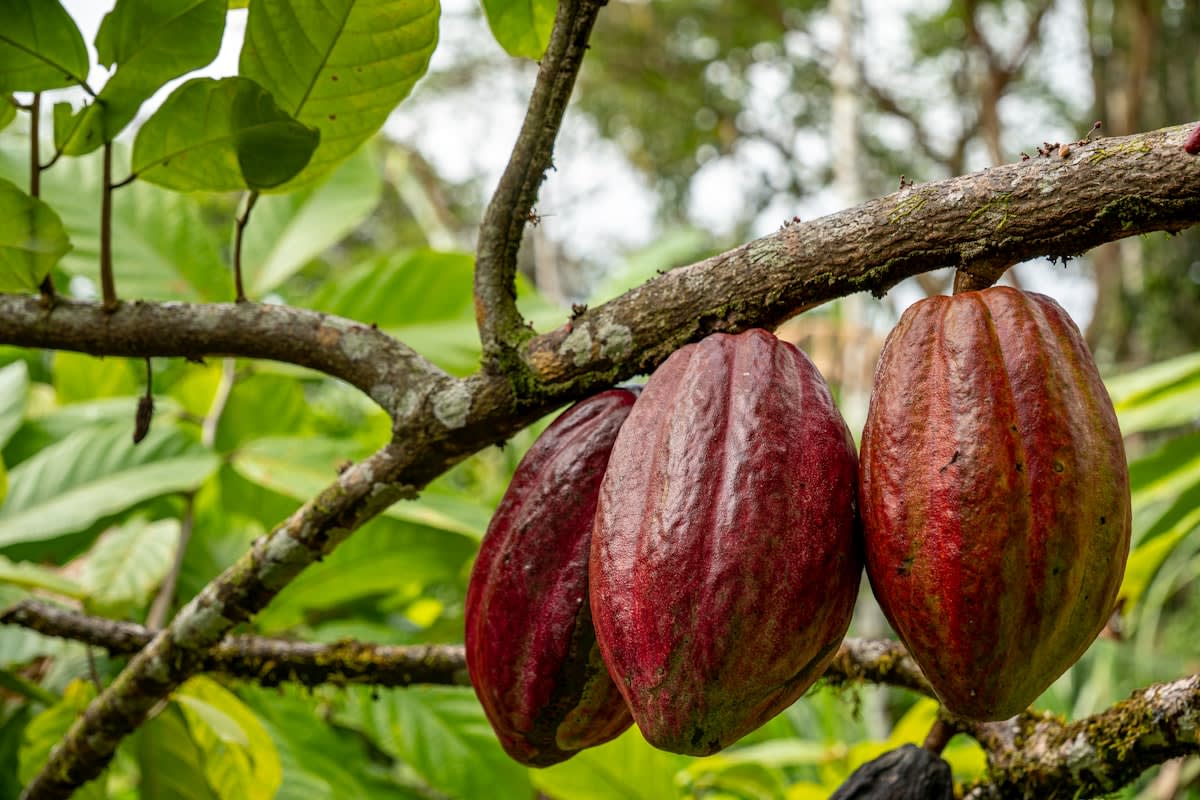
The West African Bottleneck
Concentration is the enemy of resilience. With Ivory Coast and Ghana producing roughly 60% of the world's cocoa, the global supply chain has a single point of failure. This geographic monopoly created a dangerous dependency. When El Niño patterns disrupted rainfall and the Swollen Shoot virus decimated groves across these regions, there was no fallback. The system lacked the diversity to absorb the shock, proving that efficiency in sourcing is often just a mask for extreme vulnerability.
"The industry spent fifty years optimizing for the lowest possible price, forgetting that the lowest price eventually buys you the lowest possible reliability."— Senior Commodity Strategist
The biological reality is grim. The Swollen Shoot virus does not respond to quick fixes; it requires the complete removal and replacement of infected trees. This is a generational task, not a quarterly adjustment. Farmers, trapped in a cycle of poverty, cannot afford the transition period where they have no income while new trees mature. The result is a feedback loop of decline: poor soil leads to weaker trees, which are more susceptible to disease, which further lowers yields, deepening the poverty of the producer.
Is this a collapse or a correction? From the perspective of the multinational chocolate giant, it looks like a collapse. From the perspective of the global ecosystem, it is a necessary correction. The era of treating West African forests as an infinite resource is over. The current scarcity is the only mechanism powerful enough to force a shift toward regenerative agriculture and fair pricing.
This structural shift is now being accelerated by external regulatory pressures that the industry can no longer ignore.
Regulatory Shocks as Catalysts
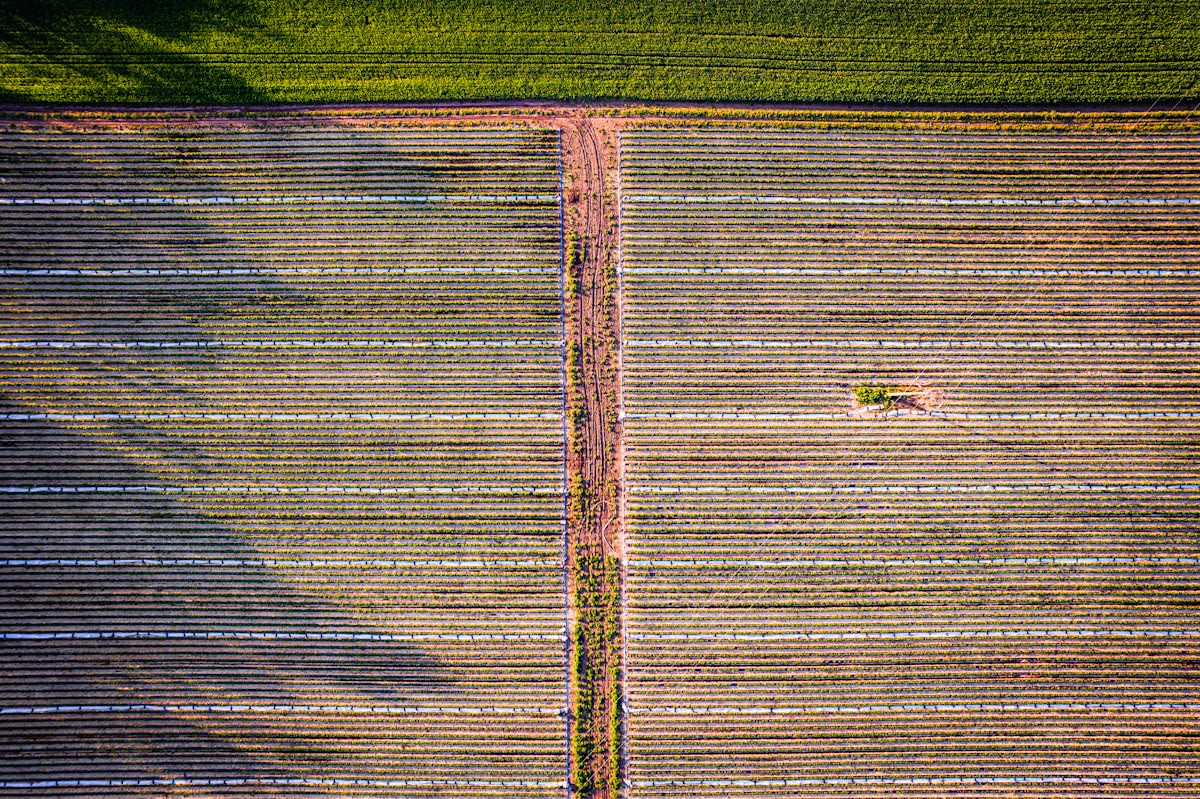
The European Union Deforestation Regulation (EUDR) is the new gravity in the cocoa trade. By requiring strict traceability to the exact plot of land where cocoa is grown, the EU is effectively outlawing the 'blind sourcing' model. For years, companies mixed beans from thousands of unmapped farms, hiding deforestation in the shadows of complex supply chains. Now, if you cannot prove your beans didn't come from a deforested area, you cannot enter the world's most lucrative chocolate market.
| Metric | Legacy Extraction Model | Resilient Value Model |
|---|---|---|
| Pricing Logic | Market-driven (Race to the bottom) | Cost-plus (Living income guarantee) |
| Environmental Focus | Expansion into primary forest | Regenerative agroforestry |
| Farmer Agency | Price taker (Passive) | Equity partner (Active) |
| Traceability | Aggregated/Opaque | Plot-level/Digital Ledger |
| Risk Profile | High systemic fragility | Diversified and adaptive |
This regulatory shift transforms traceability from a marketing gimmick into a survival requirement. The cost of implementing these systems is high, but the cost of exclusion is higher. We are seeing a bifurcation of the market: a high-value, transparent stream for regulated markets and a low-value, opaque stream for less regulated regions. This split will permanently alter how cocoa is traded, moving the power away from the middlemen and toward those who control the data of the land.
Can the industry survive this transition? Yes, but not in its current form. The companies that will thrive are those that stop viewing cocoa as a commodity and start viewing it as a specialty crop. This requires a fundamental shift in the business model—moving from buying the cheapest available tonnage to investing in the long-term health of specific farming communities.
The current volatility is the catalyst for a great diversification of the cocoa belt.
The Great Diversification
The failure of the West African monopoly is opening doors for Latin America and Southeast Asia. While these regions have always produced cocoa, the current price environment makes investment in their infrastructure economically viable for the first time in decades. Ecuador and Brazil are no longer just secondary players; they are becoming strategic hedges against the instability of the Gulf of Guinea. This shift reduces the systemic risk of the entire global supply.
- Investment in climate-resilient hybrids in South America.
- Adoption of agroforestry in Vietnam and Indonesia to protect biodiversity.
- Shift toward 'single-origin' high-margin products to decouple from commodity price swings.
- Integration of AI-driven pest monitoring to prevent the spread of viruses like Swollen Shoot.
This diversification is not without its challenges. Moving production requires land, and the industry cannot repeat the mistake of clearing forests in the Amazon to save the chocolate bars in Europe. The only sustainable path is intensification—increasing yields on existing land through better science and fairer pay. This is where the contrarian opportunity lies: the 'collapse' of the old system is the only thing that makes the expensive transition to sustainable intensification profitable.
The Hidden Ledger
The real cost of a chocolate bar has always been high; we simply shifted the payment from the price tag to the environment and the farmer. The current market reset is simply the bill finally arriving at the consumer's door.
Engineering the Future of Sweetness
We are entering the era of 'Precision Cocoa.' This involves the marriage of biotechnology and fintech. Imagine a system where a farmer is paid not just for the weight of the beans, but for the carbon sequestered by the shade trees in their grove. By turning the cocoa farm into a carbon sink, we create a secondary revenue stream that decouples the farmer's survival from the volatile price of the commodity. This is how you build a resilient supply chain.
The transition will be painful. Many small-scale farmers who cannot adapt to the digital requirements of the EUDR will be pushed out of the formal market. This is the dark side of the reset. However, the alternative is a total systemic collapse where no one—farmer or corporation—survives. The goal must be a managed transition that provides the capital necessary for the most vulnerable to upgrade their practices.
Ultimately, the bitter cost of sweetness is the price of truth. The industry can no longer pretend that $10,000 tonnes are an anomaly. They are a signal. The global cocoa supply chain is not bracing for a collapse; it is bracing for a rebirth. Those who cling to the old model of extraction will vanish. Those who embrace the model of regeneration will define the next century of the industry.