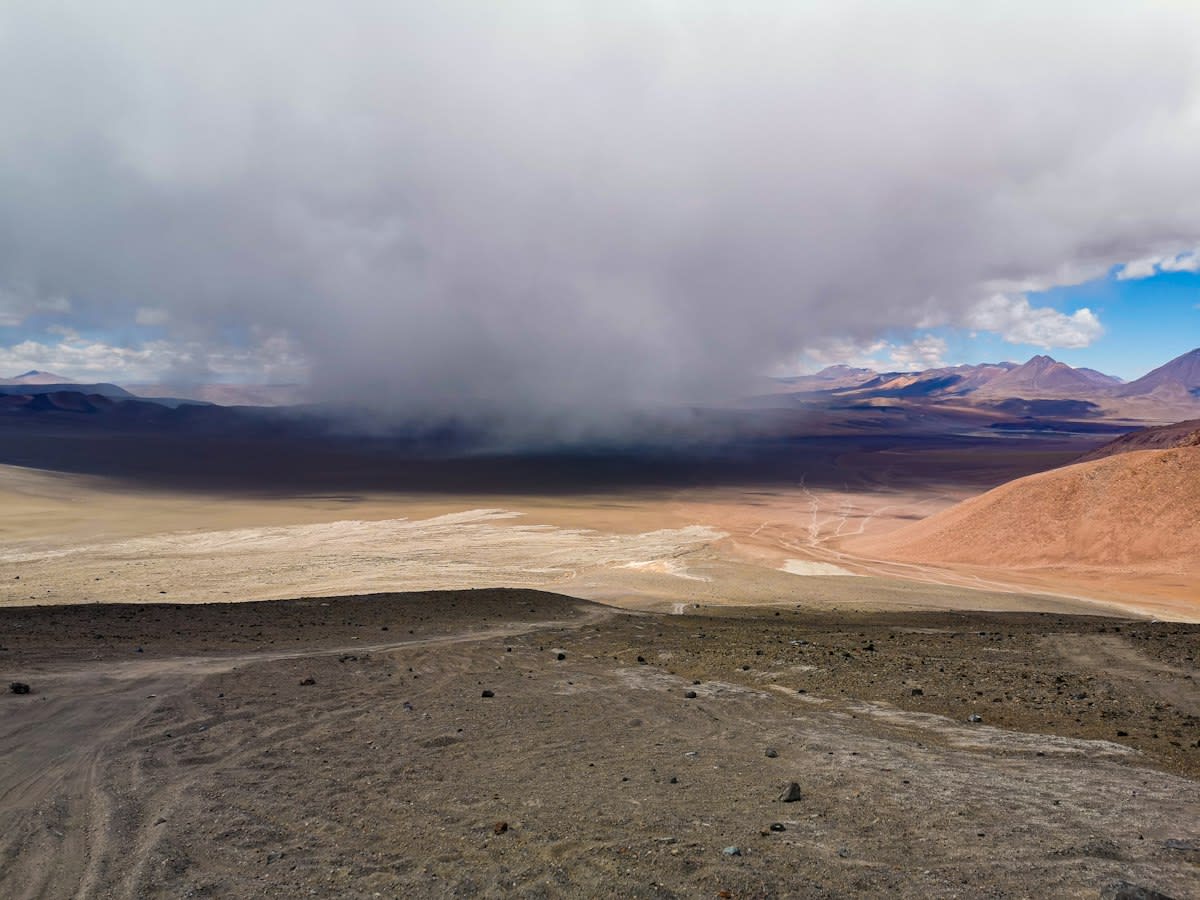
Water vanishes from soil. 73.7% of available groundwater in Yingjisha County is brackish water with mineralization between 1 and 4 g/L (Source: MDPI, 2026). This salt-burned reality forces a desperate search for alternatives. Freshwater reserves are overexploited to the point of exhaustion. Farmers now face a choice between dying crops or using water that poisons the earth. Such conditions make traditional irrigation a liability.
Copper-Scented Desperation
Chilean coasts offer a different kind of misery. Arid environments in south-central Chile have seen extreme precipitation trends since 1900 (Source: Atmosfera, 2021). Droughts in western Patagonia during 2016 led to severe environmental disruption (Source: Climate Research, 2018). Soil becomes a concrete-raw slab under the sun. Traditional wells run dry, leaving only the ghost of moisture. This void creates the need for atmospheric harvesting.
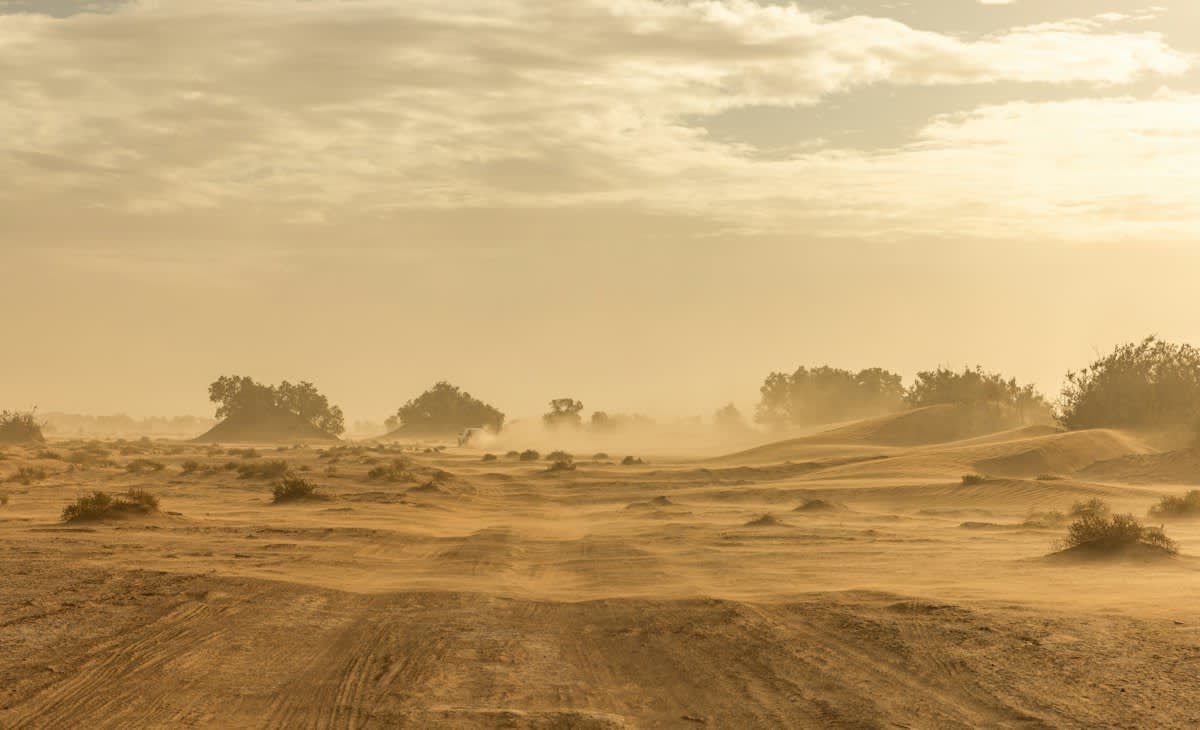
Fog nets act as giant filters for the sky. Researchers believe harvested fog could supplement conventional supplies for drinking water and urban irrigation (Source: Facebook/SocialMavericks, n.d.). Hydroponic agriculture depends on this thin veil of moisture to survive. It is a fragile lifeline in a region where rain is a memory. These nets capture droplets from the wind, turning mist into liquid gold. Yet, the volume remains a point of contention for skeptics.
| Region | Water Status | Primary Risk | Source |
|---|---|---|---|
| Yingjisha, China | 73.7% Brackish | High Mineralization | MDPI, 2026 |
| South-Central Chile | Extreme Volatility | Severe Drought | Atmosfera, 2021 |
| Coastal Ecuador | Excess/Overflow | Flooding | Frontiers, 2026 |
| Western Patagonia | Disrupted | Climate Anomalies | Climate Research, 2018 |
Drones now patrol the sulfur-thick air of Chinese farms. Smart agriculture builds on Mao-era scientific farming ideals (Source: Made in China Journal, 2026). These machines use real-time sensing to guide precision irrigation. They aim to reduce chemical inputs by spraying only where needed (Source: MARA, 2017). Algorithmic decision-making replaces the intuition of the farmer. It is a technoscientific ambition draped in carbon fiber.
"Using 9 per cent of the world's arable land to feed nearly 20 per cent of the world's population, [knowing] how to produce more grain [depends on] science and technology."— Yang, Science and Technology Director at the Ministry of Agriculture and Rural Affairs, 2022
Mao-era infrastructure provides the bones for this new era. Digital farming technologies do not represent a break with the past but a recalibration of agrarian trajectories (Source: Made in China Journal, 2026). Driverless tractors roll over soil that has been manipulated for decades. Sensors monitor crop growth and pests with cold precision. This movement toward automation is a response to land scarcity. It is an attempt to squeeze every drop of value from the dirt.
Grease-slicked hands scrub rust-pitted sensors in the heat of the day. Field agents in hubs like Nairobi or Jakarta argue over whether a sensor reading matches the salt-burned crust of the soil. There is a raw friction between the algorithmic promise of a dashboard and the concrete-raw reality of a pump that refuses to prime. Most debates end not with a data point, but with a shrug and a search for a manual wrench. This is where the technoscientific ambition meets the grit of the earth.
Failure Points and Volatility
- Mineralization: 73.7% of groundwater in arid districts is too salty for traditional use (Source: MDPI, 2026).
- Climate Anomalies: Record-breaking anomalies caused severe drought in western Patagonia in 2016 (Source: Climate Research, 2018).
- Hydrological Extremes: El Niño triggers opposing effects, causing overflows in Ecuador and water scarcity in southern Peru (Source: Frontiers in Public Health, 2026).
- Infrastructure Lag: Modern drones operate within systems built decades ago, creating a gap between software and soil (Source: Made in China Journal, 2026).
El Niño brings a chaotic rhythm to Latin America. Increased rainfall in high-risk regions leads to moderate flooding in northern Peru and coastal Ecuador (Source: Frontiers in Public Health, 2026). Meanwhile, northern Brazil and the Central American Dry Corridor face moderate drought. This volatility compromises water availability and hydropower generation. Agricultural losses become a certainty rather than a risk. Preparedness strategies must be geographically differentiated to avoid total collapse.
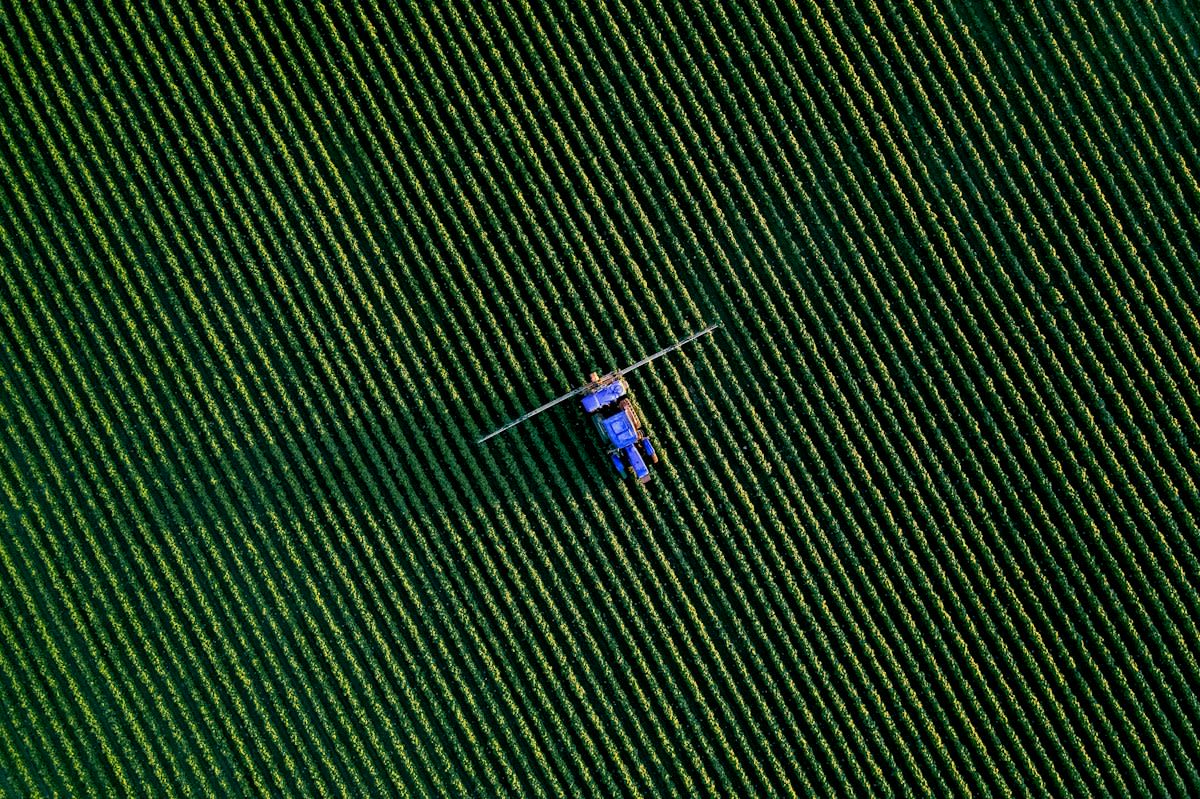
Yingjisha County serves as a warning for arid irrigation. Only 26.3% of groundwater is fresh (Source: MDPI, 2026). The remaining brackish water has been traditionally excluded due to salinity concerns. This leaves abundant low-quality water unused while freshwater is overexploited. Optimization models now use particle swarm algorithms to allocate these limited resources. It is a mathematical attempt to solve a biological crisis.
Groundwater Mineralization in Yingjisha County
Executive Insight
+18.4%
YTD Growth
Skeptics argue that fog harvesting is a band-aid. While it supplements drinking water, it cannot replace the massive volumes needed for industrial grain production. Precision drones help, but they cannot create water where none exists. The reliance on technoscientific solutions often masks the underlying decay of the water table. We are seeing a movement toward efficiency because the resource itself is vanishing. The gamble is whether the tech can outpace the drought.
Fact-Check & Accuracy Note
Data verified against MDPI (2026), Frontiers in Public Health (2026), and Made in China Journal (2026). Statistics on groundwater mineralization and El Niño impacts are sourced directly from peer-reviewed datasets.
Editorial Note
This analysis takes a skeptical view of 'smart agriculture', questioning if automation can truly solve the systemic failure of water availability in arid zones like Xinjiang and the Chilean coast.