‘Unrest, poverty brought them to India’: Court cuts jail term of 3 Bangladeshis
Source Entity
Jagriti Rai
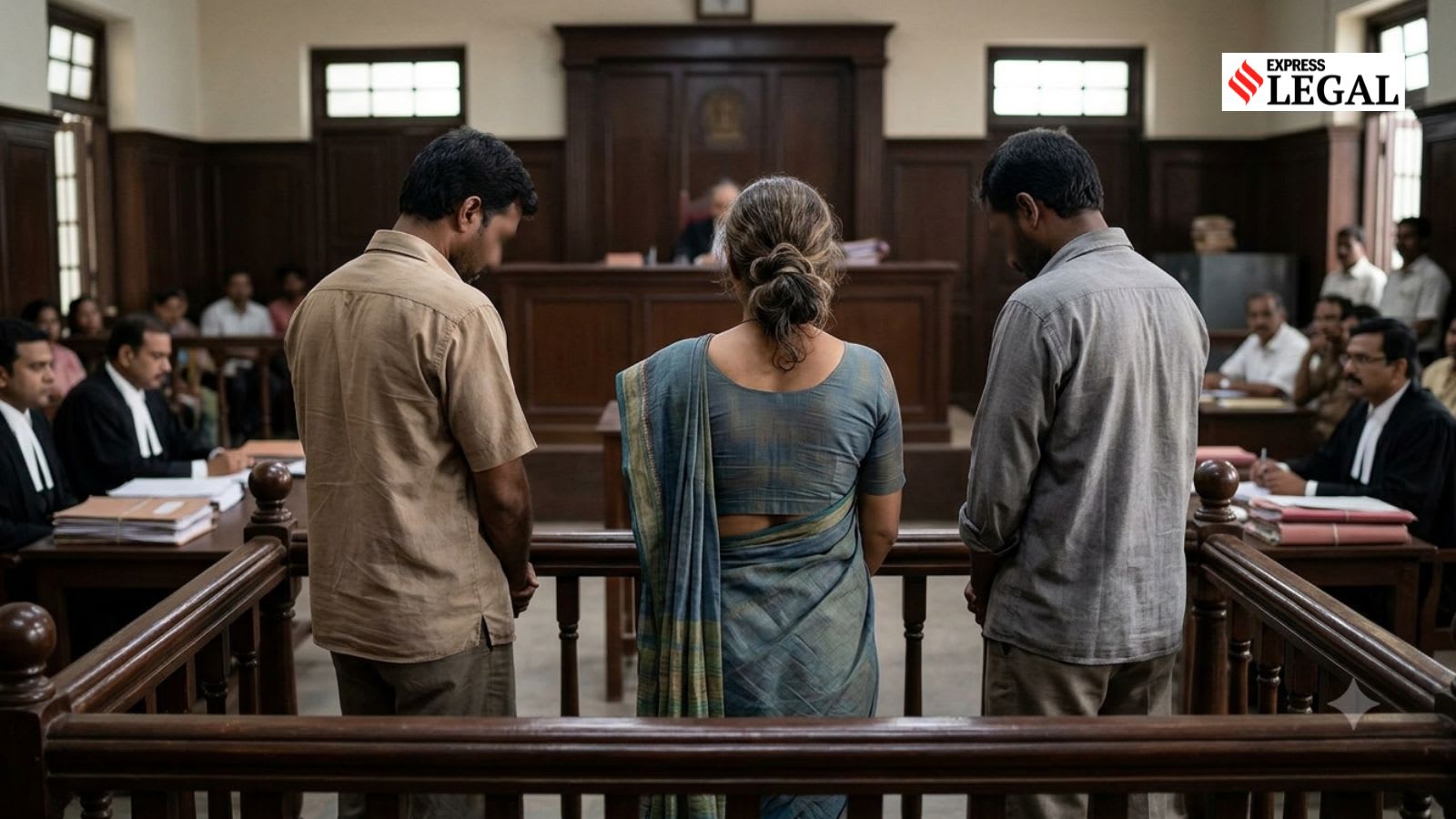
The Madras and Calcutta High Courts have issued distinct rulings regarding Bangladeshi nationals, balancing humanitarian considerations for impoverished migrants against strict immigration enforcement. While the Madras High Court reduced sentences for economic migrants, the Calcutta High Court upheld the denial of entry for an individual using fraudulent documents.
Judicial Perspectives on Cross-Border Migration
Recent judicial pronouncements from the Madras and Calcutta High Courts highlight the complex legal landscape surrounding Bangladeshi nationals entering India. These cases underscore the tension between humanitarian empathy for those fleeing instability and the rigid enforcement of national security and immigration protocols.
Humanitarian Consideration in the Madras High Court
In a significant ruling, the Madras High Court upheld the conviction of three Bangladeshi nationals for residing in India without valid travel documents. However, Justice N Nirmal Kumar acknowledged the socio-economic drivers behind their migration. Recognizing that the appellants were pushed by 'unrest' and 'uncertainty' in their home country, the court modified their sentences. By reducing the fine-default jail time and ordering deportation within 30 days, the court balanced the necessity of enforcing the Foreigners Act with a recognition of the desperate circumstances—unemployment and poverty—that compelled their illegal entry.
Enforcement of Immigration Integrity
Conversely, the Calcutta High Court demonstrated a strict adherence to procedural compliance. In the case of a Bangladeshi wife of an Indian national, Justice Krishna Rao upheld the refusal of entry by immigration authorities. The court's decision hinged on the discovery that the individual had obtained travel documents through 'fraudulent means.' This ruling serves as a stark reminder that familial ties do not supersede the foundational requirement of legal documentation and truthfulness in immigration processes.
The Intersection of Law and Socio-Economic Realities
These cases illustrate the dual challenge Indian courts face. On one hand, there is a need to address the plight of individuals displaced by regional instability, as seen in the Madras High Court's compassionate sentencing. On the other, there is a clear mandate to maintain the integrity of borders and prevent the exploitation of visa systems, as emphasized by the Calcutta High Court.
Broader Implications for Policy
These rulings suggest that while Indian courts may exercise discretion when migrants are driven by dire economic necessity, there is zero tolerance for fraudulent documentation. The 30-day deportation order in the Madras case indicates a preference for a swift resolution that respects the law while avoiding excessive punishment for those seeking mere survival.
Future Trends in Immigration Adjudication
As political and economic volatility persists in the region, Indian courts will likely continue to encounter similar petitions. Future trends suggest a bifurcated approach: continued leniency for vulnerable economic migrants who demonstrate genuine distress, contrasted with increasingly stringent scrutiny for any individual attempting to bypass immigration controls through deception. These judicial precedents will remain central to shaping how India manages its sensitive border dynamics.