US Navy helicopter didn't crash in Red Sea, says CENTCOM; rejects Iranian media claims
Source Entity
Latest News: Todays Latest News Headlines from India & World | Hindustan Times | Hindustan Times
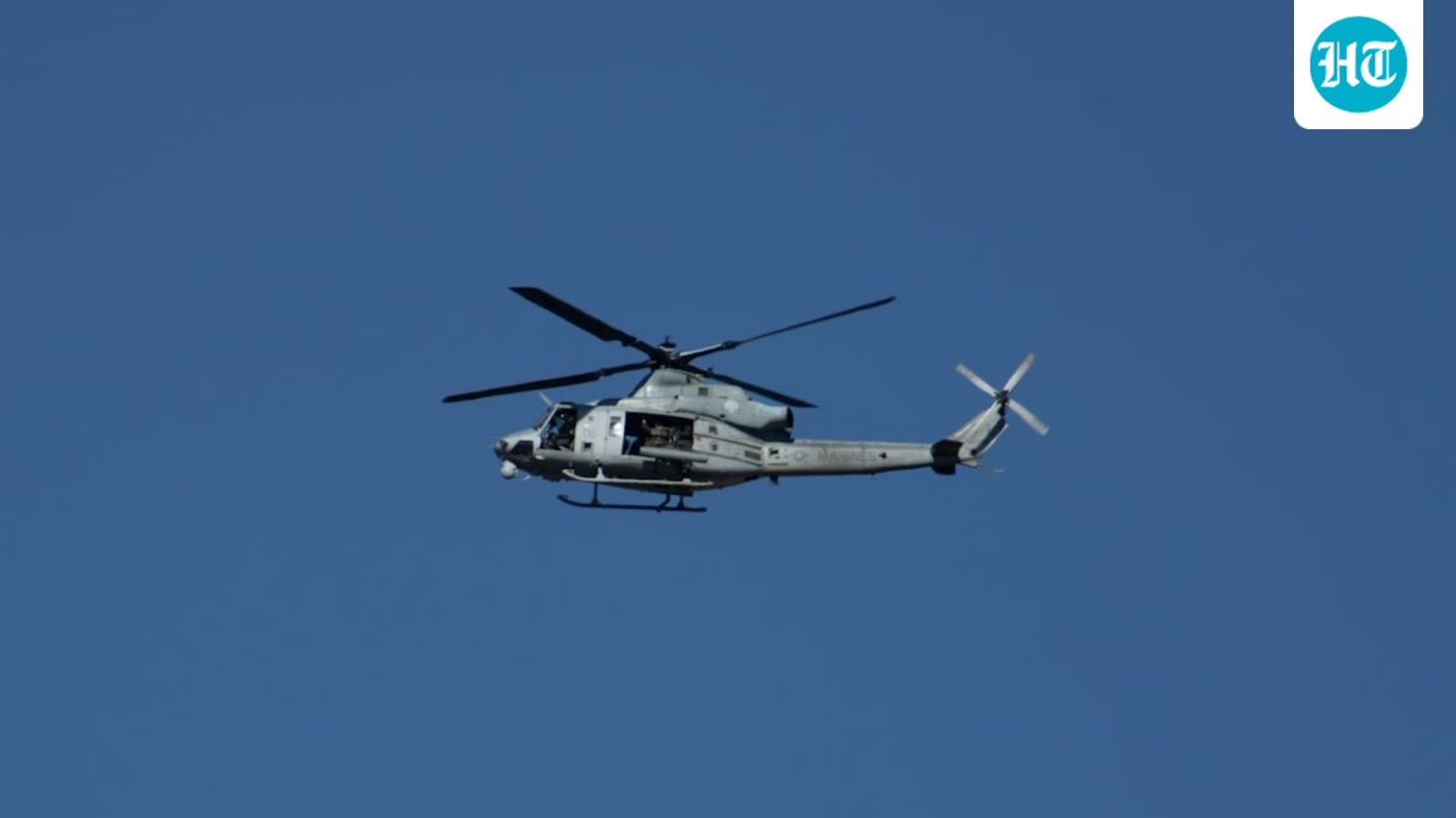
CENTCOM has officially refuted Iranian state media reports alleging a U.S. Navy MH-60R helicopter crashed in the Red Sea. The command confirmed that all U.S. military aircraft and personnel in the Middle East are safe and accounted for.
CENTCOM Refutes False Reports of Red Sea Helicopter Crash
On October 6, the United States Central Command (CENTCOM) issued a formal clarification to address and debunk circulating reports regarding an alleged U.S. Navy MH-60R helicopter crash in the Red Sea. Iranian state media outlets had propagated claims that the aircraft had declared an emergency and subsequently gone down, triggering widespread speculation. CENTCOM’s decisive response serves as a critical correction to these narratives, asserting that the information is entirely fabricated.
The Anatomy of the Misinformation
The dissemination of the claim regarding the downed MH-60R helicopter appears to be part of a broader landscape of information warfare. By specifically citing an emergency declaration, these reports were designed to lend a veneer of credibility to the false narrative. However, CENTCOM’s rapid fact-checking via their official social media channels effectively neutralized the impact of the story by providing a direct, authoritative contradiction to the Iranian state media claims.
Operational Security and Regional Tensions
The Red Sea remains a highly volatile maritime corridor, characterized by significant geopolitical friction and ongoing military oversight. In this environment, the status of U.S. naval assets is a matter of strategic sensitivity. By confirming that all U.S. military aircraft and personnel across the Middle East are safe and accounted for, CENTCOM emphasized the stability of its regional operations and signaled that it remains vigilant against attempts to manipulate public perception through false reporting.
The Role of Fact-Checking in Military Communications
In the digital age, military organizations are increasingly required to engage in real-time information defense. The speed at which false claims can propagate necessitates a proactive stance from entities like CENTCOM. By explicitly labeling the claims as "false" and "not true," the command demonstrated the necessity of transparency in maintaining the integrity of military reporting and preventing the escalation of tensions based on groundless rumors.
Broader Implications for Regional Stability
The rejection of these claims highlights the ongoing challenge of managing information flows in conflict-prone regions. When state-sponsored media outlets circulate unverified or false reports concerning foreign military assets, it introduces unnecessary uncertainty into an already fragile geopolitical situation. This incident serves as a case study in how modern military commands must balance operational secrecy with the need to publicly address disinformation that could otherwise be leveraged to incite panic or diplomatic friction.
Conclusion
Ultimately, the situation underscores the importance of relying on verified sources for information regarding military incidents. CENTCOM’s swift intervention has clarified the status of its fleet, confirming no such crash occurred. As tensions persist in the Middle East, such incidents of psychological and information-driven posturing are likely to continue, necessitating continued vigilance and rapid, evidence-based responses from international military authorities.
Verification Required?