
The End of the Bovine Monopoly
The cow is becoming optional. For millennia, the production of whey and casein—the proteins that give cheese its stretch and milk its creaminess—required a living, breathing animal. That fundamental biological constraint has just been shattered. Precision fermentation is not creating a plant-based substitute that tastes like dairy; it is creating the actual dairy proteins themselves using microbial hosts. We are witnessing a transition from agriculture to alchemy, where breweries are replacing barns and yeast is replacing udders.
Why does this matter now? The delta between last year and today is staggering. Twelve months ago, precision fermentation was largely the domain of venture-capital-backed startups producing niche prototypes for high-end boutiques. Today, the conversation has shifted toward industrial scale. We are seeing the rise of B2B ingredient suppliers who are not selling a branded milk carton, but rather the raw, bio-identical proteins to existing global food giants. The goal is no longer to disrupt the dairy aisle, but to rewrite the supply chain from the molecular level up.
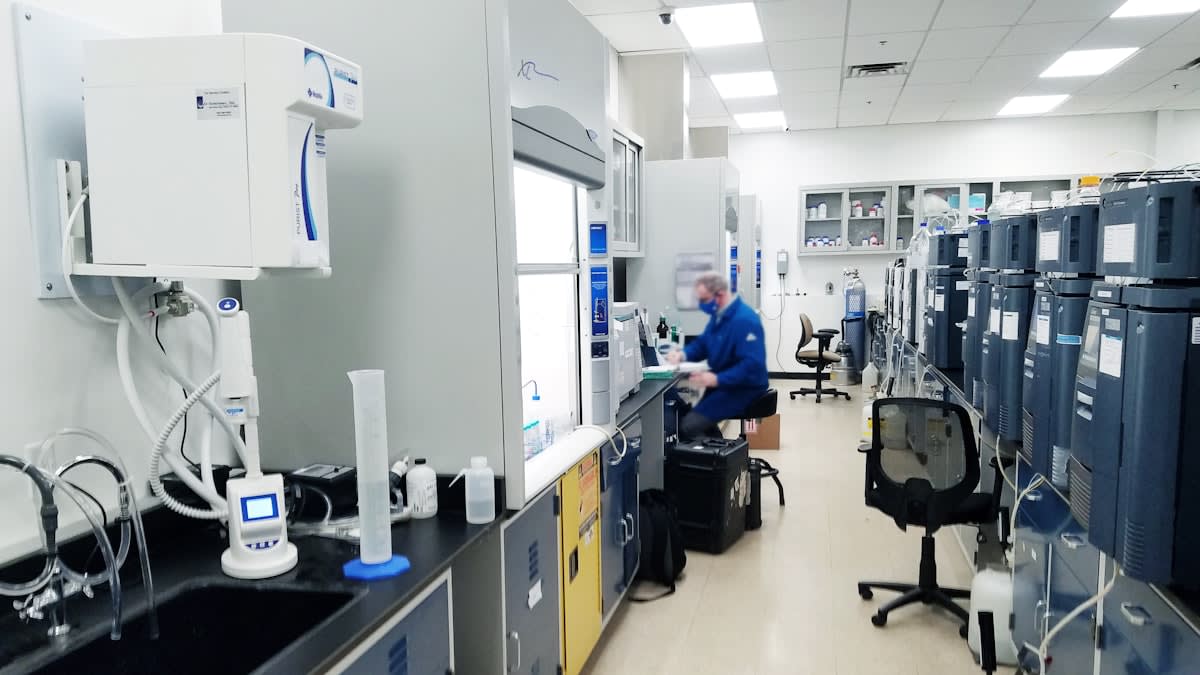
How does this mechanism actually function? It begins with a genetic blueprint. Scientists identify the DNA sequence responsible for producing a specific protein, such as beta-lactoglobulin, in a cow. They then insert this sequence into a microorganism, typically a yeast or fungi. When these microbes are placed in a fermentation tank with sugar and nutrients, they read the instructions and begin secreting the exact same protein a cow would. The result is a pure protein powder, indistinguishable from the animal-derived version, but produced without a single hoof hitting the ground.
The Bio-identical Distinction
Bio-identical is the keyword here. Unlike plant-based proteins (pea, soy, almond) which mimic the texture of dairy, precision fermentation creates the actual molecule. This means the same melting point, the same stretch, and the same nutritional profile as traditional dairy, minus the cholesterol and lactose.
This shift is playing out across a fragmented global regulatory map. Singapore continues to lead the charge, with the Singapore Food Agency (SFA) establishing the world's most streamlined pathway for novel protein approval. In the United States, the FDA's GRAS (Generally Recognized as Safe) designations have allowed companies like Perfect Day to integrate animal-free whey into consumer products. Meanwhile, the European Union remains a battlefield of nomenclature, where traditional dairy lobbies fight to prevent 'milk' or 'cheese' labels from being applied to non-animal products.
Is the traditional farmer obsolete? Not immediately, but the economic gravity is shifting. In Israel, a global hub for ag-tech, companies like Remilk are scaling production to a point where the cost per kilogram of protein is approaching parity with traditional dairy. When the cost of fermentation drops below the cost of raising, feeding, and milking a cow, the market will pivot with brutal efficiency. We aren't looking at a gradual decline, but a tipping point.
"We are decoupling the protein from the animal. This isn't about ideology; it's about resource efficiency. The math of feeding 10 billion people with land-intensive livestock simply doesn't add up anymore."— Industry Analyst, Global Food Systems
The environmental delta is where the argument becomes undeniable. Traditional dairy is a resource sink, requiring vast tracts of land for grazing and soy-feed production, alongside massive water consumption. Precision fermentation slashes these requirements. Early data suggests a reduction in greenhouse gas emissions by up to 97% and land use by 99% compared to conventional dairy. This isn't just a marginal improvement; it is a total reconfiguration of the agricultural footprint.
| Metric | Traditional Dairy | Precision Fermentation |
|---|---|---|
| Land Use | High (Pasture + Feed) | Minimal (Facility-based) |
| Water Consumption | Extensive | Low to Moderate |
| Production Time | Years (Animal Growth) | Days (Fermentation Cycle) |
| Protein Purity | Mixed with Fats/Lactose | High (Isolated Protein) |
But scaling is the ultimate boss fight. Producing a few liters of protein in a lab is easy; producing millions of tons requires a massive expansion of fermentation capacity. The world currently lacks the 'steel in the ground'—the actual tanks—needed to replace even 1% of global dairy. This has led to a surge in strategic partnerships where biotech firms are leasing capacity from existing pharmaceutical or beverage companies. The race is now about infrastructure, not just biology.
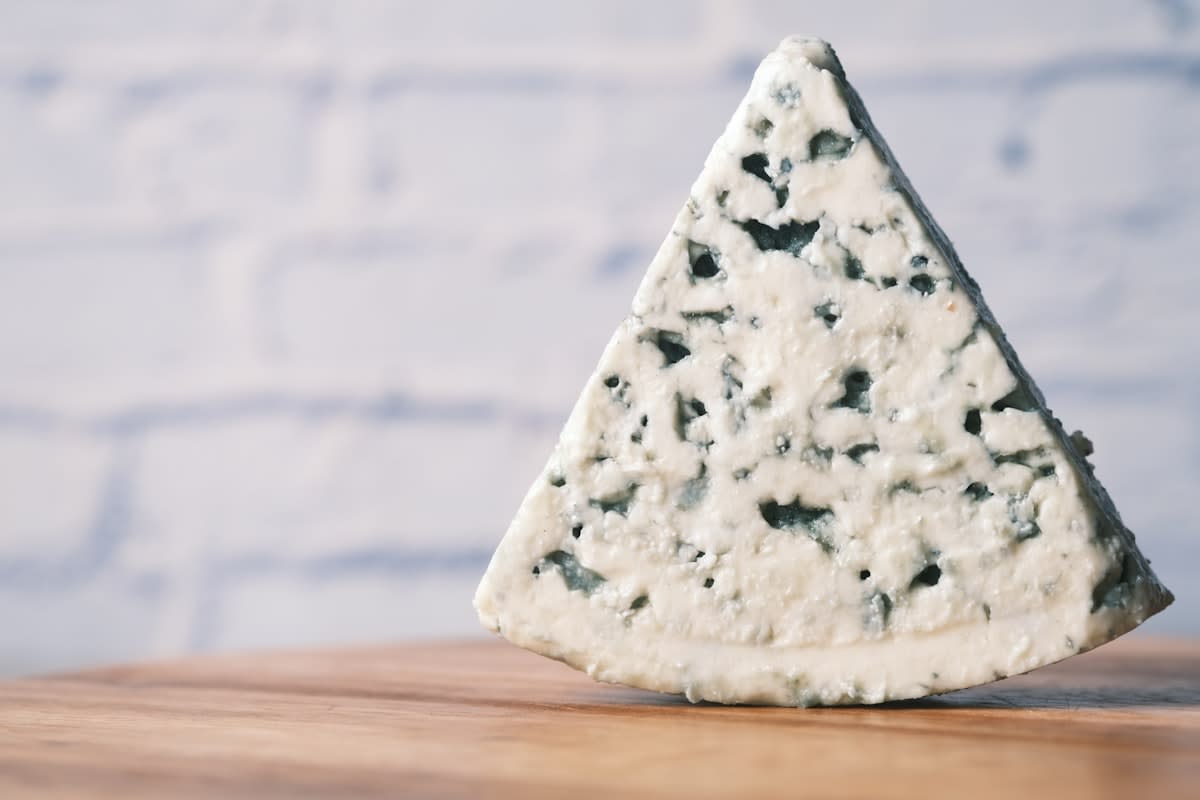
Consumer psychology is the final frontier. Will people accept 'lab-grown' cheese? The evidence suggests that for Gen Z and Gen Alpha, the answer is a resounding yes, provided the taste is identical. These cohorts prioritize sustainability and ethics over the romanticized image of the pastoral farm. The marketing is shifting away from 'synthetic' and toward 'animal-free' or 'precision-crafted,' framing the technology as a cleaner, more precise version of a process humans have used for centuries—like brewing beer or making bread.
Looking ahead, the timeline for adoption is accelerating. Within the next 24 to 36 months, we expect to see 'hybrid' products—dairy blends that mix traditional milk with precision-fermented proteins to lower costs and carbon footprints. This creates a bridge for the consumer and a lifeline for the traditional industry to adapt. The question is no longer whether this technology will replace the dairy farm, but how much of the farm will survive the transition.
Ultimately, this is a story of resilience. By removing the biological volatility of livestock—disease, climate stress, and feed price spikes—precision fermentation creates a stable, localized food supply. A city in a desert can now produce high-quality dairy proteins in a warehouse. The geography of food is being rewritten, and the cow, once the center of the universe, is moving to the periphery.