The Stealth Takeover of the Grocery Aisle
Walk into any major retailer today—Walmart, Target, Kroger, or H-E-B—and you are likely buying dairy that never touched a cow. This isn't a niche health food experiment or a soy-based substitute. We are witnessing a quiet, systemic replacement of traditional animal proteins with molecularly identical versions grown in tanks. Breyers has already deployed lactose-free chocolate frozen desserts utilizing precision-fermented whey, while Nestlé has integrated the same technology into its Cowabunga beverages and Orgain Better Whey protein powder. This isn't just a new product line; it is a fundamental rewrite of the food supply chain.
The delta between where we stood twelve months ago and today is staggering. A year ago, precision fermentation was largely viewed as a venture-backed promise, a series of white papers and pilot plants. Now, the technology has leaped from the lab to the table via the most powerful distribution networks on earth. When companies with combined annual revenues exceeding $115 billion—including Mars, General Mills, and Bel Group—start trialling these proteins in products like CO2COA chocolate, Bold Cultr cheese, and Nurishh cream cheese, the industry has already shifted. The question is no longer if this technology will scale, but how quickly the traditional dairy complex can react to its own obsolescence.
The Identity Shift
The core disruption here is molecular identity. Unlike plant-based alternatives that mimic the taste of dairy, precision fermentation produces proteins that are chemically indistinguishable from those produced by a cow. No hormones, no antibiotics, and no lactose—just the pure protein sequence produced by modified microbes.
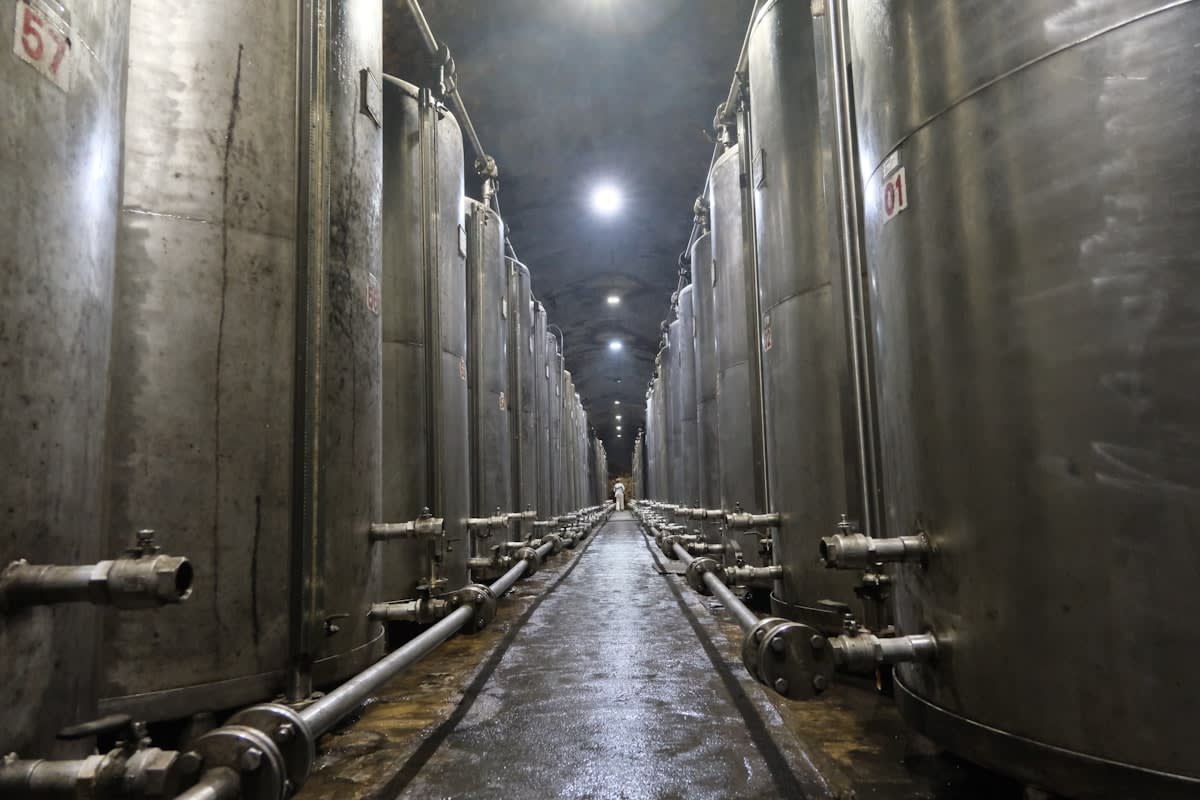
How does this actually work? The process leverages genetically modified fungi or microbes that act as microscopic factories. These organisms are programmed to produce specific whey proteins when fermented in large-scale bioreactors. The result is a high-purity ingredient that behaves exactly like dairy in a recipe but bypasses the biological inefficiency of raising a thousand-pound animal to get a few gallons of milk. It is a leap in efficiency that renders the industrial dairy model's reliance on land and livestock increasingly irrational.
The Clinical Turning Point: Performance Without the Pasture
For years, the biggest hurdle for animal-free proteins was the perception of nutritional inferiority. Skeptics argued that lab-grown proteins couldn't match the bioavailability or the muscle-building efficacy of traditional whey. That argument died in July 2026. New clinical research presented at NUTRITION 2026 regarding Superbrewed Food's SB1™ postbiotic cultured protein proves that these fermented alternatives match whey in muscle-building response. This is the smoking gun the industry needed to move from a sustainability play to a performance play.
| Protein Source | Amino Acid Bioavailability | Primary Production Method |
|---|---|---|
| Traditional Whey | ~75% | Bovine Secretion |
| SB1™ Cultured Protein | ~75% | Precision Fermentation |
| Pea Protein | ~75% | Plant Extraction |
The data is unequivocal: amino acid bioavailability for SB1™ sits at approximately 75%, placing it on a dead heat with both traditional whey and pea protein. This means the body absorbs and utilizes these cultured proteins as efficiently as the animal-derived versions. When you combine this nutritional parity with the commercial scale now being achieved through partnerships—such as Superbrewed's collaboration with Döhler for commercial production—the economic incentive to stick with traditional dairy vanishes. Why manage the volatility of livestock disease and feed costs when you can brew a nutritionally identical protein in a controlled environment?
"The transition we are seeing is not a replacement of dairy, but a replacement of the source. We are decoupling the protein from the animal, allowing us to maintain the sensory experience of dairy while stripping away the industrial baggage of the livestock complex."— Industry Analysis on Molecular Nutrition
This shift is being accelerated by strategic capital. Döhler Ventures' investment in Superbrewed isn't just a bet on a single product; it is a bet on the infrastructure of food. By establishing commercial-scale production, these entities are building the plumbing for a new global food system. We are moving away from a world of fragmented farms toward a world of centralized, high-efficiency protein hubs that can be deployed anywhere in the world, regardless of climate or soil quality.
While the nutritional science is settling, the market dynamics are just beginning to explode. The sheer speed of adoption by global conglomerates suggests a level of confidence that the public hasn't fully grasped yet.
The Economics of the Bioreactor
The financial trajectory of this sector is steep. According to Future Market Insights, the precision fermentation dairy protein ingredients market is projected to reach USD 162.2 million by 2036. While that number might seem modest compared to the trillion-dollar global dairy market, it represents the high-value 'seed' ingredients that will eventually permeate every processed food category. We aren't talking about replacing every gallon of milk on a farm; we are talking about replacing the whey and casein in every chocolate bar, protein shake, and cream cheese tub on the planet.
- Mars: Integrating fermented proteins into CO2COA chocolate.
- General Mills: Launching Bold Cultr cheese to capture the animal-free market.
- Bel Group: Utilizing precision fermentation for Nurishh cream cheese.
- Nestlé: Deploying technology in Cowabunga beverages and Orgain powders.
- Starbucks: Partnering to integrate animal-free dairy options into global menus.
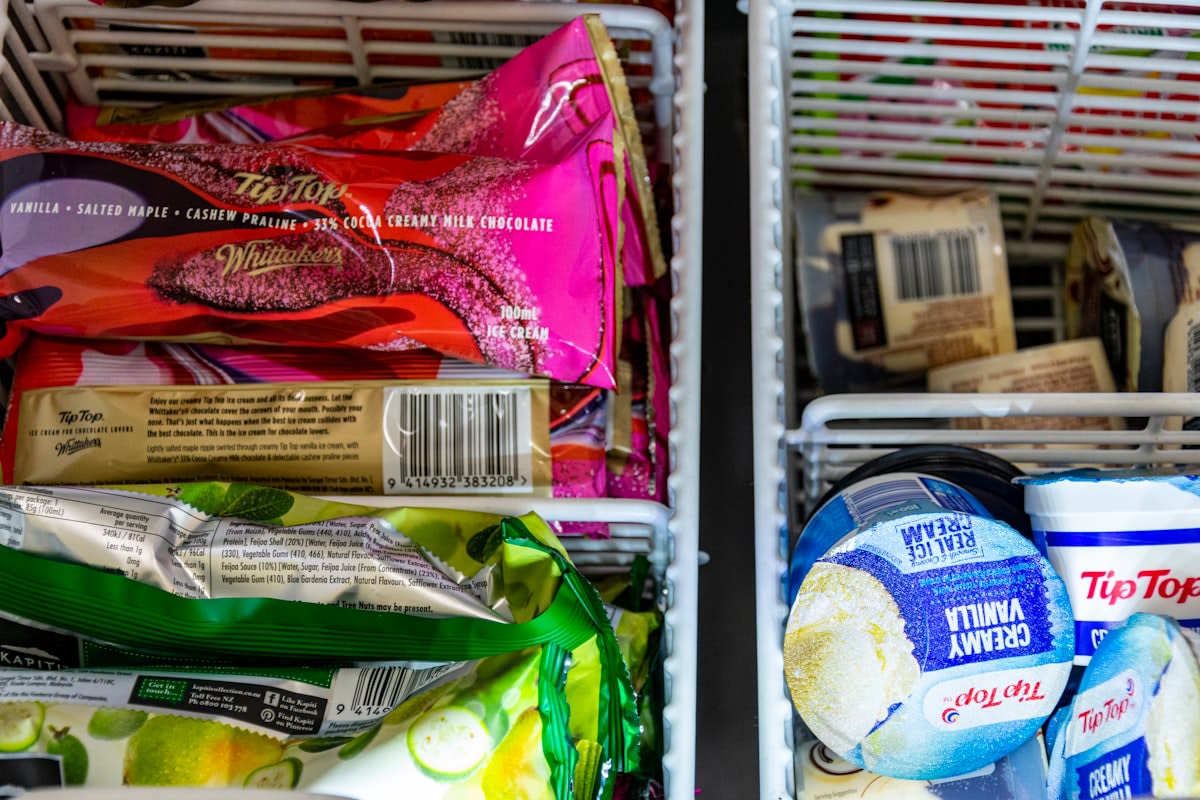
One of the most provocative aspects of this rollout is the lack of transparency. Many of these companies have integrated lab-grown proteins without shouting it from the rooftops. By focusing on the 'Lactose-Free' or 'Animal-Free' labels, they avoid the 'lab-grown' stigma while reaping the benefits of a cleaner, more consistent supply chain. This is a calculated move. They aren't selling a revolution; they are selling a better version of a product you already love. By the time the average consumer realizes the cow is gone, the habit will already be formed.
The resilience of this new model lies in its predictability. Traditional dairy is subject to the whims of nature—droughts in the Midwest, feed spikes in Europe, or avian and bovine diseases. Precision fermentation operates in a closed loop. It is a software-driven approach to biology where the 'code' is the genetic sequence of the microbe and the 'hardware' is the bioreactor. This allows for a level of price stability and quality control that the industrial dairy complex simply cannot match.
Projected Growth of Precision Fermentation Dairy Ingredients
Executive Insight
+18.4%
YTD Growth
Does this mean the end of the family farm? Not necessarily, but it does mean the end of the industrial dairy factory. The opportunity now lies in adaptation. We are seeing a divergence where traditional dairy may move toward a high-end, artisanal luxury market—focused on terroir and heritage—while the mass-market 'commodity' dairy is handled by bioreactors. This is not a crisis of loss, but an evolution of efficiency.
As we look toward the end of the decade, the integration will only deepen. With the clinical validation of muscle-building parity and the strategic backing of global food giants, precision fermentation is no longer a 'trend'—it is the new infrastructure of nutrition. The leap from lab to table is complete; now, we are just waiting for the rest of the world to notice the taste hasn't changed, but the system has.