
The Great Decoupling
We are witnessing a fundamental break in the history of calories. For millennia, producing animal protein required an animal. You needed the land to graze the beast, the water to sustain it, and the time to let it grow. Precision fermentation throws this linear dependency away. By programming microbes—yeast or fungi—to act as tiny factories, we can now produce identical dairy proteins, egg whites, and collagen without a single hoof or feather involved. This isn't a 'substitute' or a 'mimic'; it is the exact same molecule, just sourced from a different biological host.
Twelve months ago, the conversation around alternative proteins was dominated by the struggles of plant-based meats to achieve taste parity. The market hit a plateau because consumers grew tired of 'processed' substitutes that didn't quite hit the mark. Today, the momentum has shifted toward precision fermentation. The delta is clear: we have moved from trying to make plants taste like meat to making microbes produce the actual proteins that make meat and dairy taste the way they do. The focus has shifted from the consumer's plate to the manufacturer's vat.
"The farm is becoming a software problem. We are no longer breeding animals for traits; we are coding microbes for outputs."— Industry Lead, Bio-Manufacturing Sector
Why does this matter right now? The convergence of CRISPR gene-editing and the plummeting cost of DNA sequencing has turned biological design into an engineering discipline. We can now identify the specific genetic sequence for bovine whey or porcine collagen and insert it into a yeast strain with surgical precision. Once the microbe is programmed, it is placed in a bioreactor and fed simple sugars. The result is a pure, animal-free protein that is chemically indistinguishable from the traditional version. The biological hurdle has been cleared; the remaining battle is one of scale.
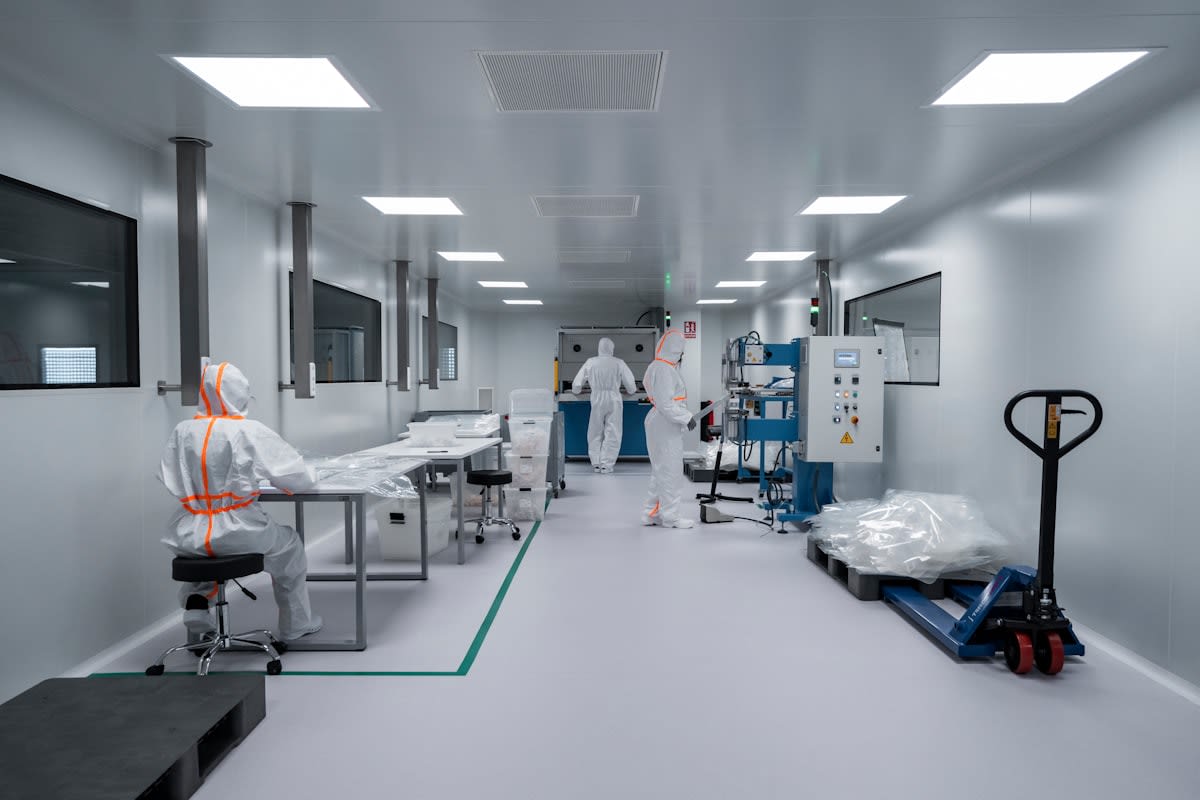
But the biological breakthrough is only half the story; the real shift is in the business model. Early pioneers tried to launch flashy consumer brands. The current trend is far more strategic: B2B integration. Companies are now selling their fermentation-derived proteins as ingredients to the very food giants that currently dominate the dairy and egg aisles. By sliding into the existing supply chain as a high-performance ingredient, precision fermentation avoids the 'vegan' stigma and targets the mainstream market directly.
Beyond the Plant-Based Plateau
The first wave of alternative proteins failed because it ignored the chemistry of craving. Plant-based burgers relied on coconut oil and pea protein to approximate the experience of beef, but they lacked the complex molecular structure of animal fats and proteins. Precision fermentation solves this by producing the actual functional proteins—like casein and beta-lactoglobulin—that provide the stretch in mozzarella or the foam in a meringue. When the molecule is identical, the taste, texture, and nutritional profile are no longer variables to be managed; they are constants.
| Metric | Traditional Livestock | Precision Fermentation |
|---|---|---|
| Land Use | High (Pasture/Feed Crops) | Minimal (Industrial Facility) |
| Water Consumption | Extreme | Low (Closed-loop systems) |
| Production Cycle | Months to Years | Days to Weeks |
| Carbon Output | High (Methane/Nitrous Oxide) | Low (Renewable Electric) |
Global regulatory landscapes are reacting with varying speeds to this shift. Singapore has emerged as the global sandbox, with the Singapore Food Agency (SFA) leading the world in approving novel proteins. In the United States, the FDA's GRAS (Generally Recognized as Safe) pathway has allowed several precision-fermented proteins to enter the market quietly. Meanwhile, Europe remains a battleground of caution, where the EFSA's rigorous novel food regulations create a higher barrier to entry, though the technical talent in the region is pushing for a faster pivot to bio-manufacturing.
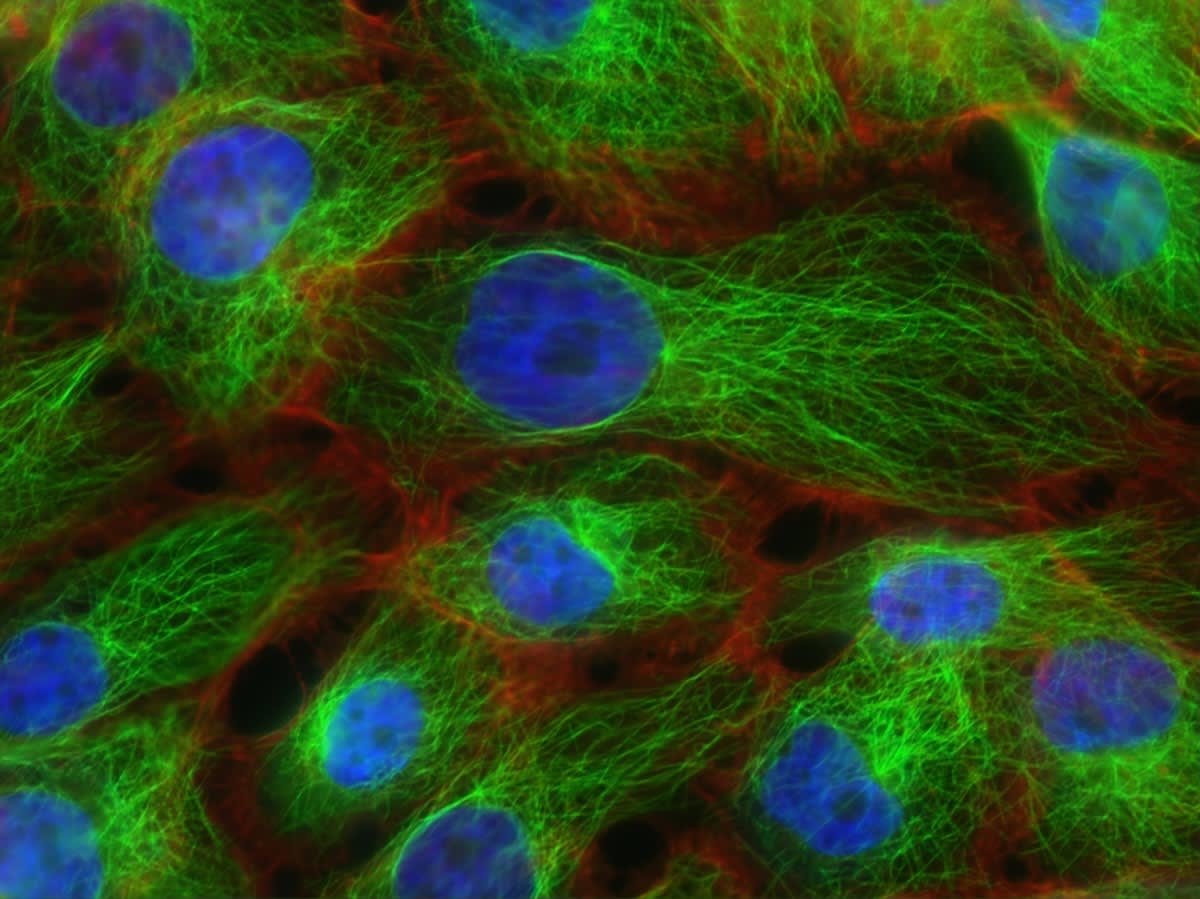
The technical capability exists, but the physical infrastructure is the current bottleneck. There is a global shortage of food-grade stainless steel bioreactors. To truly displace the factory farm, the industry needs a massive expansion of 'bio-foundries'—facilities capable of producing thousands of liters of protein per batch. This has led to a surge in partnerships between biotech startups and traditional chemical engineering firms that have the expertise to scale fermentation from a lab beaker to a 100,000-liter tank.
The Industrial Shift
The 'Bio-Foundry' model treats protein production like semiconductor fabrication. Instead of managing biological variability in a field, it manages precise variables in a controlled environment to ensure 100% consistency and purity.
The Economic Erosion of the Factory Farm
This shift in production logic creates a massive ripple effect across global economics. Traditional factory farming relies on an incredibly inefficient conversion ratio: you feed an animal ten pounds of grain to get one pound of protein. Precision fermentation removes the 'middleman' animal entirely. By feeding sugar directly to the microbe, the efficiency of protein conversion skyrockets. This doesn't just lower costs; it fundamentally alters the marginal cost of production, making the livestock model look like an expensive relic of the industrial age.
We are entering an era of stranded assets. The billions invested in massive concentrated animal feeding operations (CAFOs) are at risk as the cost curve of fermentation drops. When a bioreactor in a city center can produce more whey protein than a thousand-cow dairy farm in the countryside—using 90% less land and 95% less water—the economic moat of the factory farm evaporates. The risk isn't just environmental; it's a financial cliff for those tied to legacy livestock infrastructure.
Furthermore, the resilience factor is becoming a primary driver for adoption. Factory farms are biological tinderboxes, susceptible to avian flu, swine fever, and other zoonotic diseases that can wipe out entire regional populations in weeks. Bioreactors, operating in sterile, closed-loop environments, are immune to these outbreaks. For global food security, the move from a decentralized, disease-prone biological system to a controlled industrial system is a strategic imperative, not just a culinary preference.
Relative Protein Production Efficiency Index
Executive Insight
+18.4%
YTD Growth
Consumer psychology is also pivoting. The 'vegan' label was always a polarizing identity marker, often associated with sacrifice or dietary restriction. The new narrative is 'animal-free.' This framing shifts the focus from what is missing (the animal) to what is gained (purity, sustainability, and ethics). When the product is chemically identical to dairy but carries a lower carbon footprint and zero antibiotic residue, the choice becomes a rational economic and health decision rather than a moral crusade.
The timeline for price parity is accelerating. While precision-fermented proteins currently command a premium, the trajectory follows the classic hardware curve. As bioreactor capacity increases and feedstock costs (like sugar) are optimized or replaced by carbon-capture technologies, the cost per kilogram is plummeting. Industry experts anticipate that within the next three to five years, animal-free whey and casein will be cheaper to produce than their bovine counterparts.
The Immediate Horizon
In the next 12 months, expect to see a surge in 'hybrid' products. These are foods that combine precision-fermented proteins with plant-based bases to achieve the perfect balance of nutrition and sensory experience. A plant-based burger enhanced with fermented heme or a vegan cheese utilizing fermentation-derived casein will bridge the gap for the remaining skeptical consumers. These hybrids serve as the Trojan horse for a fully microbial protein economy.
The urgency now lies in the scale-up. The industry is moving from the 'proof of concept' phase to the 'industrialization' phase. This will require a massive redirection of capital toward bio-manufacturing infrastructure. The winners will not be the companies with the best lab results, but those who can secure the steel, the energy, and the feedstock to produce proteins at a scale that can actually dent the output of the global livestock industry.
The factory farm is not disappearing overnight, but its dominance is being eroded from the molecular level up. We are moving toward a world where 'animal agriculture' is a niche, artisanal practice, and the bulk of the world's protein is brewed in vats. The microbe revolution is quiet, it is precise, and it is inevitable. The blueprint of our food system is being rewritten, one sequence at a time.