The Great Decoupling
For ten thousand years, the logic of protein production remained static: to get milk or eggs, you needed a cow or a chicken. This biological tether dictated everything from global land use to the geopolitical volatility of grain markets. Today, that tether is snapping. Precision fermentation—the process of programming microbes to produce specific functional ingredients—is quietly decoupling the protein we eat from the livestock that traditionally produced it. We are witnessing the transition from agriculture as a system of animal husbandry to agriculture as a system of molecular manufacturing.
This is not the same as plant-based meat or traditional fermentation like brewing beer. This is cellular instruction. By inserting a specific DNA sequence into a microorganism like yeast or fungi, scientists turn these microbes into miniature factories. These organisms consume simple sugars and exhale complex proteins—identical to those found in animal milk or eggs—without a single animal involved in the process. The result is a bio-identical molecule that behaves, tastes, and cooks exactly like its animal counterpart, but without the biological overhead of a sentient being.
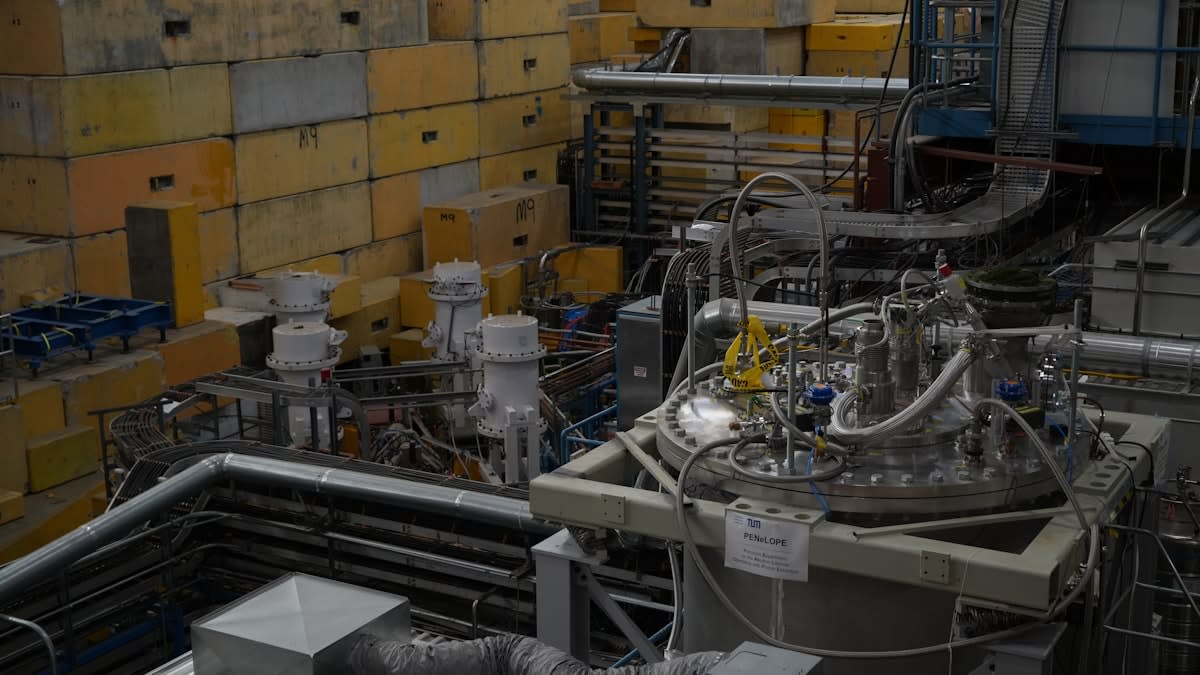
Why does this matter now? Because the delta between twelve months ago and today is staggering. A year ago, precision fermentation was largely confined to high-cost specialty ingredients or niche 'animal-free' dairy pilots. Now, we are seeing a surge in infrastructure investment and regulatory breakthroughs. Companies are moving from 1,000-liter pilot tanks to 100,000-liter industrial scales. The conversation has shifted from 'Can we make this?' to 'How fast can we build the tanks?'
The Efficiency Gap
The shift is fundamentally economic. The cost of maintaining a cow—feeding it, housing it, and managing its waste for years before getting a single drop of milk—is an inefficient biological tax. Precision fermentation removes the tax.
The Global Regulatory Chessboard
The adoption of this technology is not happening uniformly; it is a fragmented global race. Singapore continues to act as the world's living laboratory, providing a regulatory sandbox that allows these proteins to hit the market years ahead of the European Union. In the United States, the FDA is grappling with how to label these products, while Israel has emerged as a powerhouse of R&D, treating protein decoupling as a matter of national food security. Each region is betting on a different part of the value chain, from the genetic engineering of the microbes to the physical construction of the bioreactors.
In Europe, the narrative is more cautious, often entangled in the legacy of GMO debates. Yet, the economic pressure is mounting. The cost of traditional dairy production in the EU is rising due to stricter environmental mandates and volatile feed prices. This creates a vacuum that precision fermentation is perfectly positioned to fill. When the cost of a bioreactor-produced whey protein drops below the cost of a farm-produced one, the regulatory hesitation will likely evaporate in the face of market reality.
"We are moving from a world of extraction to a world of synthesis. The farm isn't disappearing; it's just changing its physical form from a field to a facility."— Industry Analyst, Molecular Food Systems
Is this the death knell for the traditional farmer? Not necessarily, but it is a mandatory pivot. The most resilient agricultural players are already eyeing the 'feedstock' opportunity. Precision fermentation requires carbon sources—sugars and nutrients—to feed the microbes. This means the farmer of the future might not raise cattle, but instead grow the high-efficiency crops specifically designed to fuel the bioreactors. The value is shifting from the animal to the input.
The Numbers: Efficiency and Impact
The environmental argument is often the loudest, but the resource efficiency data is what actually drives the investment. Traditional livestock farming is an exercise in extreme resource leakage. A cow consumes vast amounts of water and calories, only a fraction of which is converted into edible protein. Precision fermentation bypasses the 'maintenance cost' of the animal's life, directing nearly all energy into the production of the target protein.
| Metric | Traditional Livestock | Precision Fermentation |
|---|---|---|
| Land Use | High (Grazing + Feed Crops) | Ultra-Low (Facility footprint) |
| Water Intensity | High (Drinking + Irrigation) | Low (Closed-loop systems) |
| Production Cycle | Years (Birth to Maturity) | Days (Batch fermentation) |
| Carbon Footprint | Significant (Methane/Manure) | Minimal (Energy dependent) |
When we look at the delta of the last year, the most significant change is the projected cost curve. We are seeing a trajectory toward price parity that mirrors the early days of solar energy. Initially, the cost of the first bio-identical proteins was astronomical. However, as bioreactor designs are optimized and 'strain engineering' makes microbes more productive, the cost per kilogram is plummeting. We are approaching a tipping point where the molecular version of the protein becomes the cheaper option for food manufacturers.
Systemic Risks and the Path Forward
Despite the momentum, the path to total decoupling is fraught with bottlenecks. The primary constraint is not the science, but the steel. There is a global shortage of food-grade fermentation capacity. To replace even a fraction of the global dairy or egg market, the world needs an unprecedented expansion of bioreactor infrastructure. This requires massive capital expenditure and a willingness to build industrial plants in regions that have historically relied on rural grazing.
Then there is the question of consumer psychology. Can the world accept 'lab-grown' milk? The evidence suggests that when the product is bio-identical and the price is lower, the 'naturalness' argument fades. We have already accepted fermented cheese and beer for millennia; precision fermentation is simply a more precise version of a very old human habit. The challenge lies in the branding—moving away from 'synthetic' and toward 'pure' or 'animal-free'.
- Infrastructure Gap: The need for massive scaling of bioreactor capacity globally.
- Feedstock Sourcing: Transitioning from animal feed to microbe-optimized carbon sources.
- Regulatory Harmonization: Aligning global standards to allow seamless cross-border trade of bio-proteins.
- Social Adaptation: Transitioning livestock farmers into the bio-manufacturing supply chain.
The end of the farm as we know it isn't an overnight event; it is a gradual migration of value. We are moving toward a hybrid model where high-end, regenerative livestock farming exists for luxury markets, while the bulk of the world's protein requirements are met by precision fermentation. This isn't a crisis for agriculture—it is an evolution. By decoupling protein from livestock, we gain the ability to produce nutrition with a precision and efficiency that the biological limits of an animal simply cannot match.
Ultimately, the decoupling of protein from livestock represents the ultimate optimization of the food chain. We are removing the middleman—the animal—and going straight to the molecular source. In doing so, we unlock a level of food security and resource resilience that was previously unimaginable. The molecular harvest has begun, and the bioreactor is the new frontier of the field.