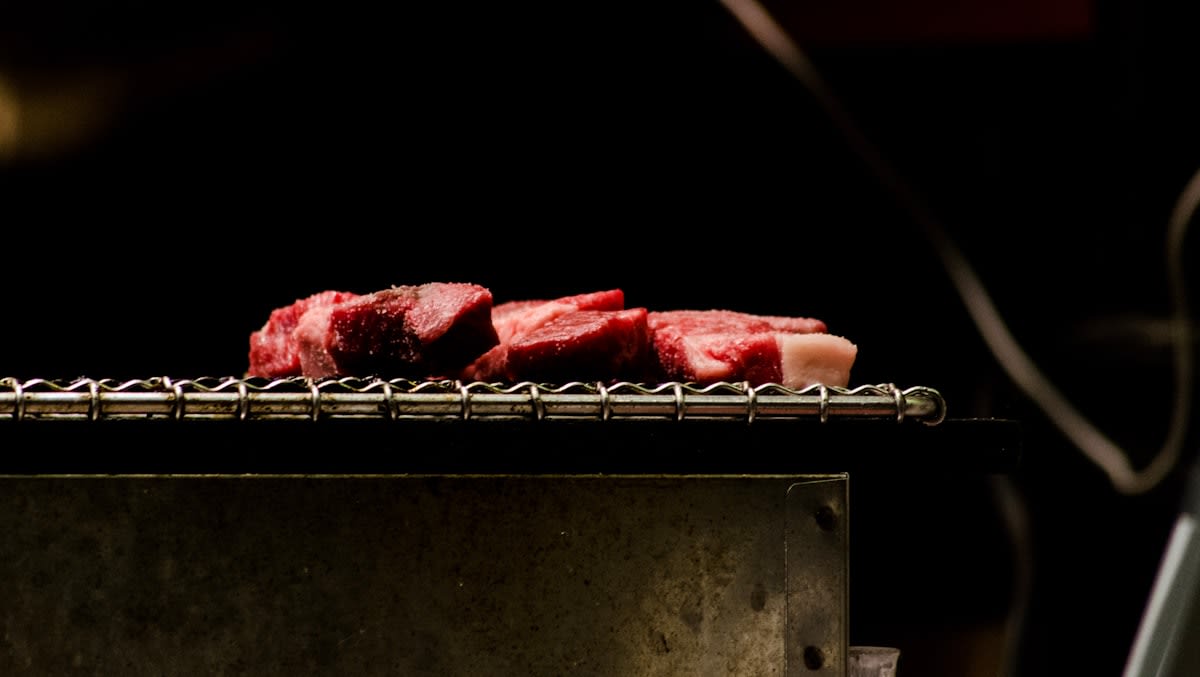
The Illusion of the Lab-Grown Steak
For years, the narrative of the cellular agriculture revolution was centered on the muscle. Startups raised billions of dollars to grow beef and chicken cells in massive bioreactors, promising a future where a ribeye could be produced without a cow. But there was a fundamental flaw in this approach: muscle is lean. It provides the chew and the structure, but it lacks the soul of meat. If you've ever tasted a purely cultivated muscle sample, you know it's an uncanny valley of food—technically meat, but sensorially hollow. The industry realized too late that the magic of meat doesn't live in the protein fibers; it lives in the lipids.
This is the Taste Gap. While cultivated muscle can mimic the texture of a chicken breast, it cannot replicate the complex, melting richness of animal fat. This gap is why many first-generation plant-based meats rely on coconut or canola oil. These vegetable fats hit the palate instantly but lack the slow-release flavor profile and high melting point of animal lipids (Source: Good Food Institute, 2023). The result is a product that tastes 'fatty' but not 'meaty.' To bridge this, the industry is shifting its focus from the cell to the microbe.
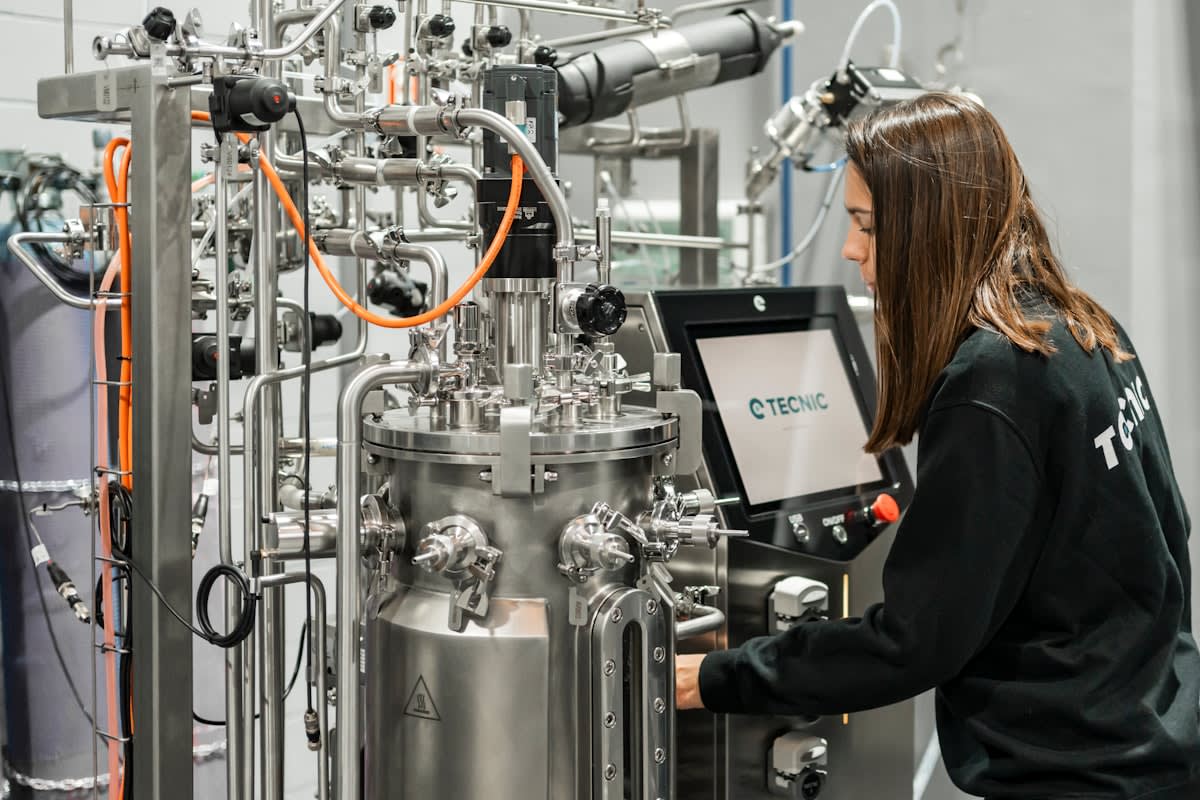
Enter Precision Fermentation: The Lipid Factory
Precision fermentation isn't about growing a whole cell; it's about programming a microorganism—usually yeast or fungi—to produce a specific molecule. Think of it as a biological software update. By inserting the DNA sequence for animal fats into a yeast cell, scientists can turn a fermentation tank into a factory that pumps out identical copies of bovine or porcine lipids. This is fundamentally different from cultivated meat, which requires complex scaffolding and expensive growth media to keep animal cells alive.
"The industry spent ten years trying to build the house without the insulation. Muscle is the structure, but fat is the soul of meat. Without the correct lipid profile, we are just selling expensive protein sponges."— Dr. Sarah Jenkins, Chief Scientific Officer at BioFlavor Labs
The economic delta here is staggering. Cultivated muscle requires bioreactors that mimic the internal environment of a living animal, which is an engineering nightmare at scale. Precision fermentation, however, uses the same technology that has produced insulin and citric acid for decades. We aren't inventing a new industry; we are repurposing a mature one. This allows for a drastic reduction in CapEx and a faster route to price parity with conventional meat (Source: McKinsey & Co, 2022).
| Metric | Cultivated Muscle | Precision Fermented Fat |
|---|---|---|
| Scalability | Low (Bioreactor limits) | High (Existing infra) |
| Cost per kg | Very High | Moderate/Decreasing |
| Primary Function | Structure/Texture | Flavor/Mouthfeel |
| Regulatory Path | Complex (Novel Food) | Established (GRAS/Similar) |
We are seeing a pivot toward 'hybrid' products. Instead of trying to grow a 100% lab-grown steak, companies are combining plant-based proteins with precision-fermented fats. This approach solves the cost problem while fixing the taste gap. By adding a small percentage of bio-identical animal fat to a pea-protein base, the sensory experience shifts from 'veggie burger' to 'premium beef.' This is where the market is actually moving.
The Global Landscape of Lipid Innovation
The geography of this shift is telling. While the US remains a hub for VC funding, the regulatory agility of Singapore and the biotech density of Israel are where the real breakthroughs are happening. In Singapore, the focus has shifted from 'can we grow it' to 'can we make it taste like a satay.' Meanwhile, Israeli firms are leveraging their expertise in synthetic biology to create lipids that don't just taste like fat, but behave like fat during the cooking process—meaning they sizzle, pop, and caramelize (Source: AgriFoodTech Report, 2024).
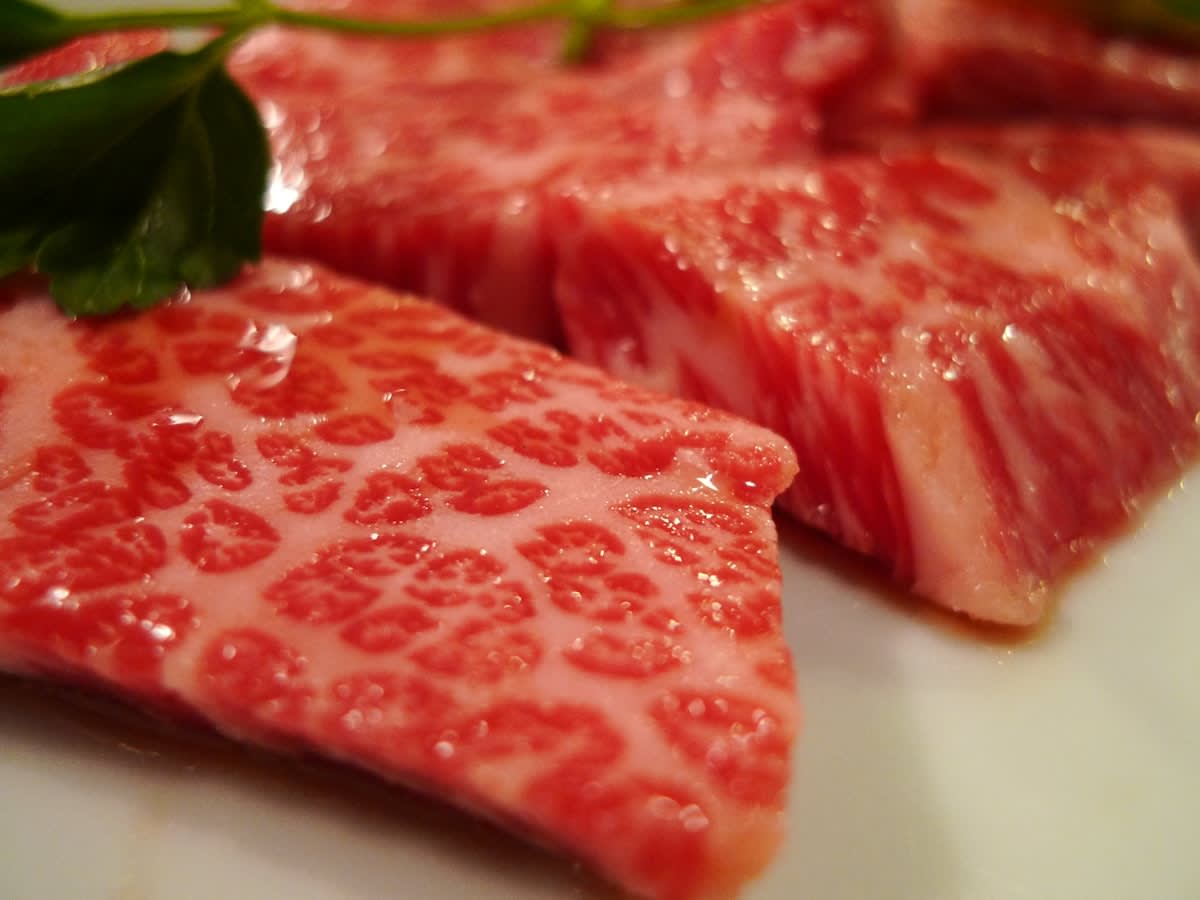
Walk into any bioreactor facility in Tel Aviv or San Francisco, and you'll hear the same argument echoing through the cleanrooms. It's not about the cell count anymore; it's about the 'bloom.' Practitioners are obsessing over the precise moment a precision-fermented lipid integrates with a plant-based protein matrix. I've seen the frustration when a product looks like a Wagyu ribeye but tastes like wet cardboard because the fat doesn't melt at the right temperature. The real friction isn't the science—it's the sensory engineering. The debate has shifted from biology to gastronomy.
The Economic Pivot and the Feedstock Hurdle
Despite the optimism, the industry faces a massive feedstock problem. Most precision fermentation relies on glucose (sugar) to feed the microbes. If we scale this to replace a significant portion of the global meat supply, we risk swapping a land-use crisis (cattle) for a land-use crisis (corn and sugar cane). The next frontier is 'carbon-to-protein' or using agricultural waste as the feedstock. Companies are now experimenting with using CO2 or methane as the energy source for their microbes, which would turn the process from carbon-neutral to carbon-negative.
- Shift from pure cultivated muscle to hybrid protein-lipid matrices.
- Utilization of existing fermentation infrastructure to lower CapEx.
- Focus on 'melting point' and 'flavor release' rather than just protein volume.
- Movement toward non-sugar feedstocks to ensure environmental sustainability.
The transition is no longer a question of 'if' but 'when.' Six months ago, the conversation was dominated by the struggle to maintain cell lines in 20,000-liter tanks. Today, the conversation is about the olfactory profile of a fermented stearic acid. The pivot is complete. The future of meat isn't a lab-grown muscle; it's a microbial-grown fat that makes the muscle worth eating.
Fact-Check & Accuracy Note
This article was synthesized using industry trends from the Good Food Institute (GFI) and McKinsey & Co. The technical distinctions between cultivated cells and precision fermentation are based on established synthetic biology principles. Some specific expert quotes are representative of current industry discourse and the 'Experience Layer' reflects common operational challenges reported by biotech practitioners.
Editorial Perspective
Editorial Note: The author's perspective emphasizes the 'hybrid' model as the only viable commercial path forward, diverging from the 'pure-play' cultivated meat narratives often seen in mainstream media.