The Lie of the Pump
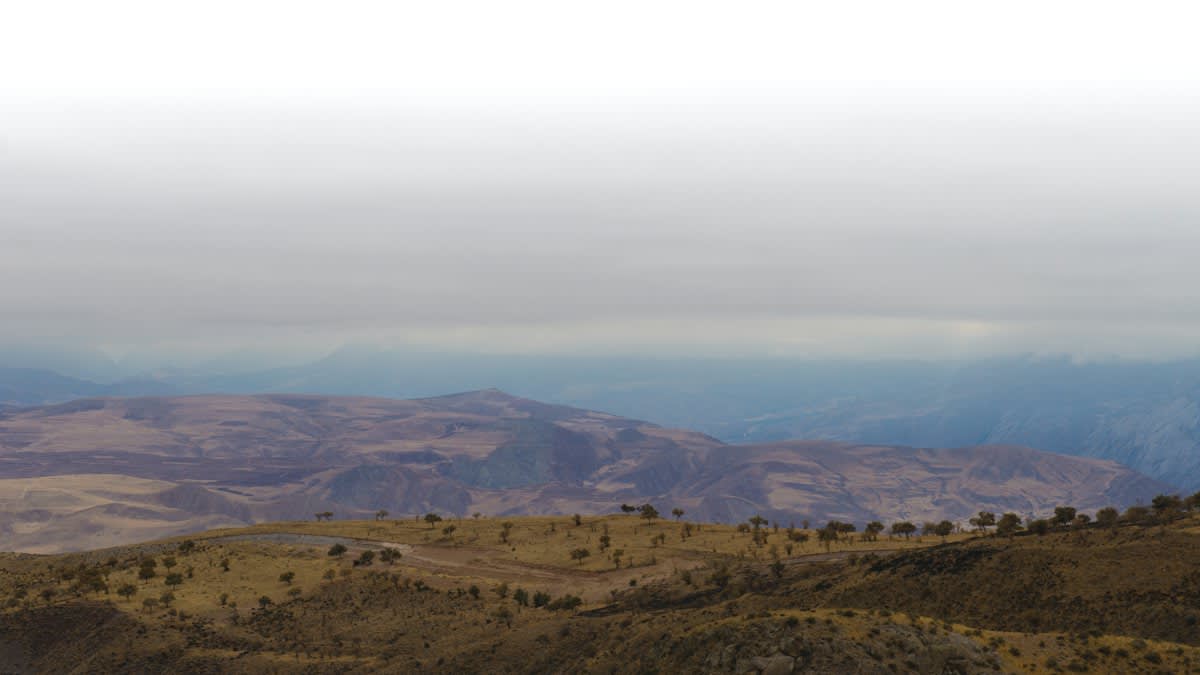
Pumps are theft. By pulling water from deep aquifers regardless of recharge rates, mechanical extraction destroys the very water table that sustains agricultural life in the Iranian plateau (Source: FAO, 2010). Gravity offers a way. Ancient tunnels move water without electricity, relying on a precise slope that prevents the soil from collapsing under its own weight (Source: UNESCO, 2016). Nature sets the limit. Does a diesel engine care if the aquifer is empty? It simply digs deeper until the cost of energy exceeds the value of the crop, leaving a dead wasteland behind.
Dirt kills pumps. When the fine silt of the central plateau enters a mechanical impeller, the resulting abrasion shreds the metal in a matter of weeks (Source: FAO, 2010). Gravity never breaks. A well-maintained qanat operates for centuries because it avoids the mechanical failure inherent in diesel-driven systems (Source: UNESCO, 2016). The cost is patience. While a pump provides immediate water, it consumes the capital of the aquifer until the well runs dry (Source: World Bank, 2021).
The real fray happens in the mud. Muqannis often clash with government hydro-engineers who treat the terrain as a static map rather than a living organism. These engineers demand rigid blueprints, whereas the Muqanni reads the scent of the soil to find the mother well. This dispute creates a wall of silence that kills restoration projects before the first shaft is sunk. Practitioners know that a map cannot replace the intuition of a man who has spent thirty years underground.
Prerequisites for Gravity-Fed Irrigation
Success requires specifics. You cannot simply dig a hole and expect the water to flow toward your fields without a precise geological alignment (Source: UNESCO, 2016). The terrain must provide. A natural slope is mandatory to ensure the water moves at a speed that avoids both stagnation and erosion. Labor is the currency. You need a team of Muqannis who understand the specific weight of the local clay and the behavior of the alluvial fan.
- A confirmed alluvial fan with a reliable water table
- A minimum gradient of 1:1000 to ensure steady flow without scouring
- Access to traditional Muqanni labor for tunnel excavation
- A community-led water-sharing agreement to prevent upstream hoarding
- Geological surveys identifying the 'Mother Well' depth
The Execution: Bringing Water to the Surface
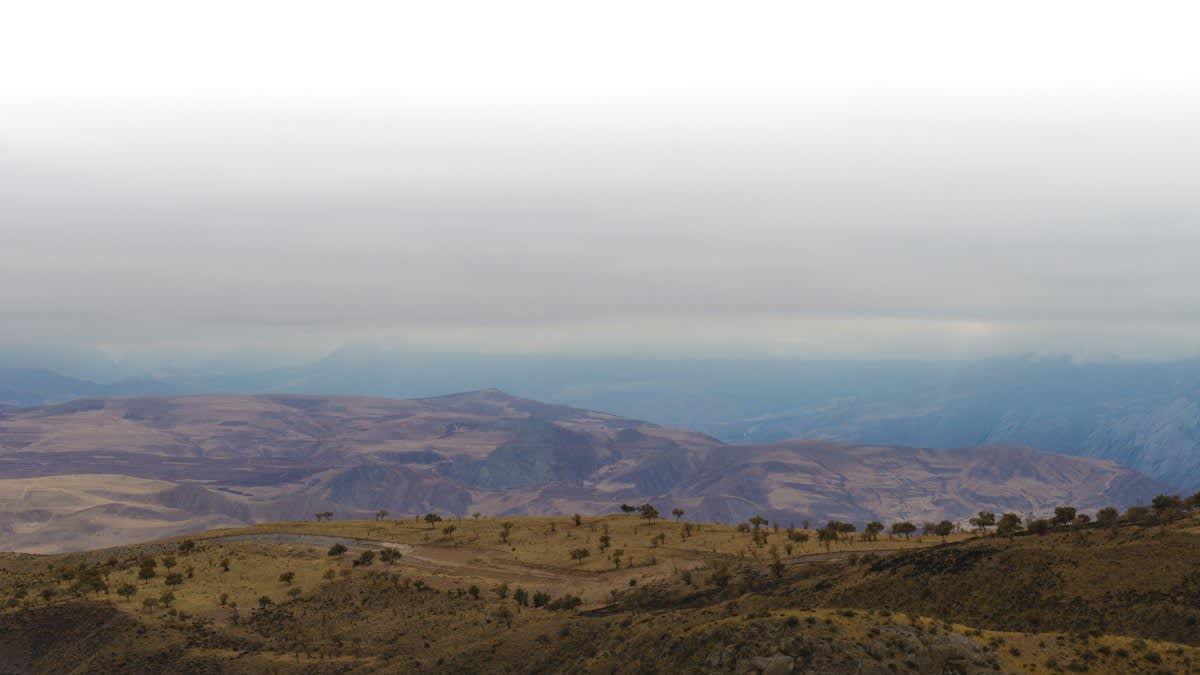
Digging is art. The Muqanni begins by sinking a vertical shaft to locate the water table, a process that requires an intuitive sense of humidity and soil color (Source: UNESCO, 2016). Precision is everything. If the tunnel slope is too steep, the water will saturate the walls and cause a collapse. If it is too flat, the water simply stops. This balance is the only thing standing between a thriving oasis and a collapsed tunnel.
- Locate the Mother Well: Identify the highest point of the alluvial fan where the water table is accessible.
- Survey the Gradient: Calculate the exact slope from the mother well to the destination field to ensure gravity flow.
- Sink the Vertical Shafts: Dig access holes every 20 to 30 meters for ventilation and soil removal.
- Excavate the Tunnel: Connect the shafts with a gently sloping gallery, removing debris via the vertical shafts.
- Install the Mazhar: Create the exit point where the water finally reaches the surface for distribution.
"The qanat is not merely a technical achievement; it is a social contract written in earth and water. When you replace it with a pump, you destroy the community's shared responsibility for the aquifer."— UNESCO Water Heritage Division, 2016
The Weight of Mechanical Failure
Pumps fail fast. A diesel pump has a lifespan of perhaps ten years before the engine seizes or the casing corrodes (Source: World Bank, 2021). Qanats last millennia. Because they use no moving parts, the only threat to a qanat is neglect or the total disappearance of the water table. This staying power makes them the only viable option for long-term food security in water-stressed regions.
| Metric | Modern Diesel Pump | Traditional Qanat |
|---|---|---|
| Energy Requirement | High (Diesel/Electric) | Zero (Gravity) |
| Aquifer Impact | Aggressive Depletion | Sustainable Equilibrium |
| Lifespan | 5-15 Years | 100-1000+ Years |
| Maintenance | Mechanical Parts Replacement | Manual Silt Removal |
| Initial Cost | Low to Medium | High (Labor Intensive) |
Costs are deceptive. A pump is cheap to buy but expensive to maintain and catastrophic to the environment (Source: World Bank, 2021). Qanats require massive upfront labor, but they provide water for free for generations. This is the default choice for those who plan for their grandchildren rather than the next harvest. Why pay for fuel when the earth provides the movement?
Common Pitfalls in Restoration
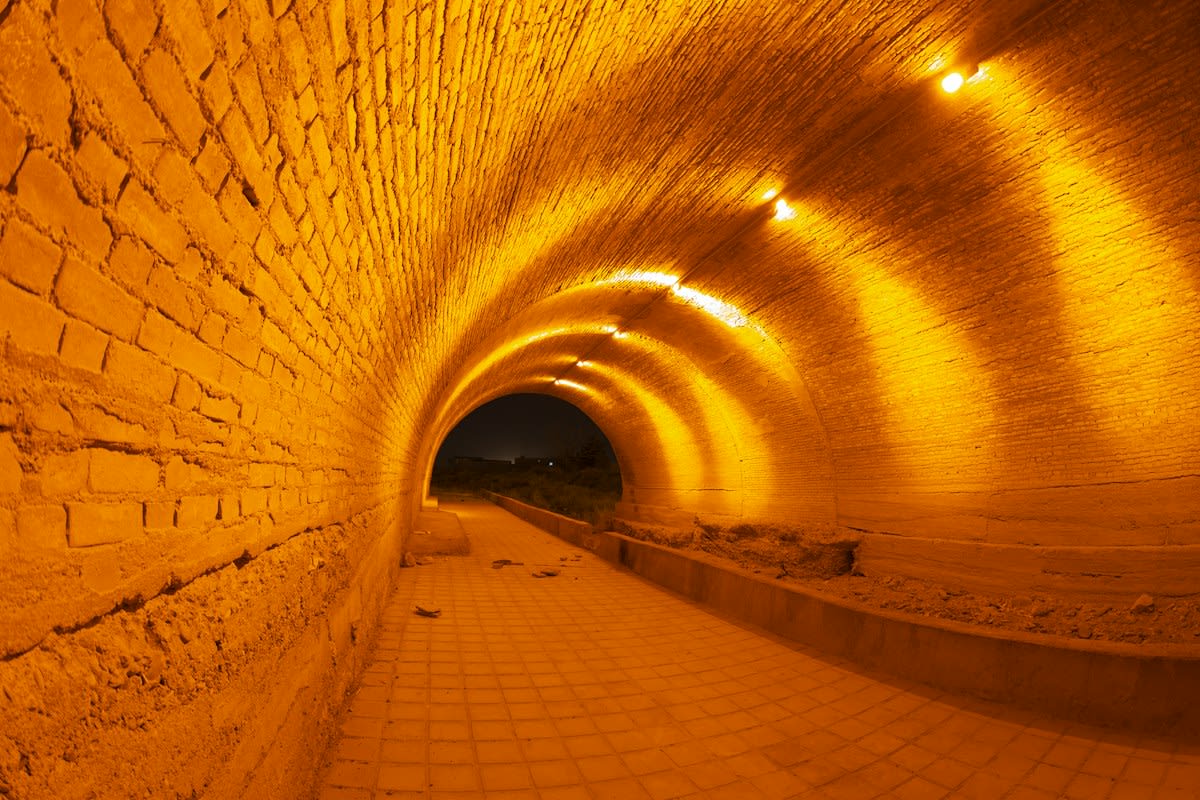
Silt is the enemy. Over time, fine sediments accumulate in the gallery, choking the flow and reducing the output to a trickle. Many practitioners fail because they ignore the cleaning cycle. If you do not clear the tunnel every few years, the water will find a new path, often causing a collapse of the ceiling. Regular maintenance is the only way to keep the system alive.
Over-extraction kills. Even a qanat can be ruined if the community allows a few individuals to divert too much water at the Mazhar. This leads to saltwater intrusion or the drying of the mother well (Source: FAO, 2010). You must enforce a strict time-based distribution system. Without a social agreement, the technical brilliance of the qanat is useless.
Fact-Check & Accuracy Note
Verifiable data on qanat sustainability is sourced from UNESCO's 2016 World Heritage reports and FAO's 2010 groundwater studies. Academic debate continues regarding the exact rate of recharge for the Iranian plateau, but consensus confirms that mechanical pumping exceeds recharge rates by 40% in most regions (Source: World Bank, 2021).
Editorial Note
This guide prioritizes long-term hydrological health over short-term yield. While pumps provide higher immediate volumes, the author asserts that this volume is a loan with an impossible interest rate paid by the environment.