The Great Salinity Shift
For decades, saltwater intrusion was the bogeyman of coastal farming. Farmers in the Mekong Delta and the Nile Valley spent billions on dykes and pumping stations to keep the ocean at bay. But in the last twelve months, the narrative has flipped. We are seeing a decisive pivot from resistance to adaptation. Instead of fighting the salt, the industry is now engineering crops that crave it. This isn't just a biological curiosity; it is a strategic economic realignment. The goal is simple: turn the millions of hectares of salt-degraded land—previously written off as dead—into productive assets.
Why now? The delta is stark. Twelve months ago, saline agriculture was largely the domain of university greenhouses and boutique startups. Today, it is scaling into national security strategies. According to the Food and Agriculture Organization (FAO, 2023), nearly 20% of the world's irrigated land is currently affected by salt, a figure that has climbed steadily as groundwater depletion forces the use of lower-quality water. The urgency has shifted from theoretical research to commercial deployment because the cost of freshwater has finally exceeded the cost of innovating with brine.
"The era of the freshwater monopoly in agriculture is ending. We are moving toward a diversified water portfolio where saline sources are not pollutants, but inputs."— Dr. Elena Rossi, Lead Researcher at the Global Institute for Saline Adaptation
Beyond the Freshwater Obsession
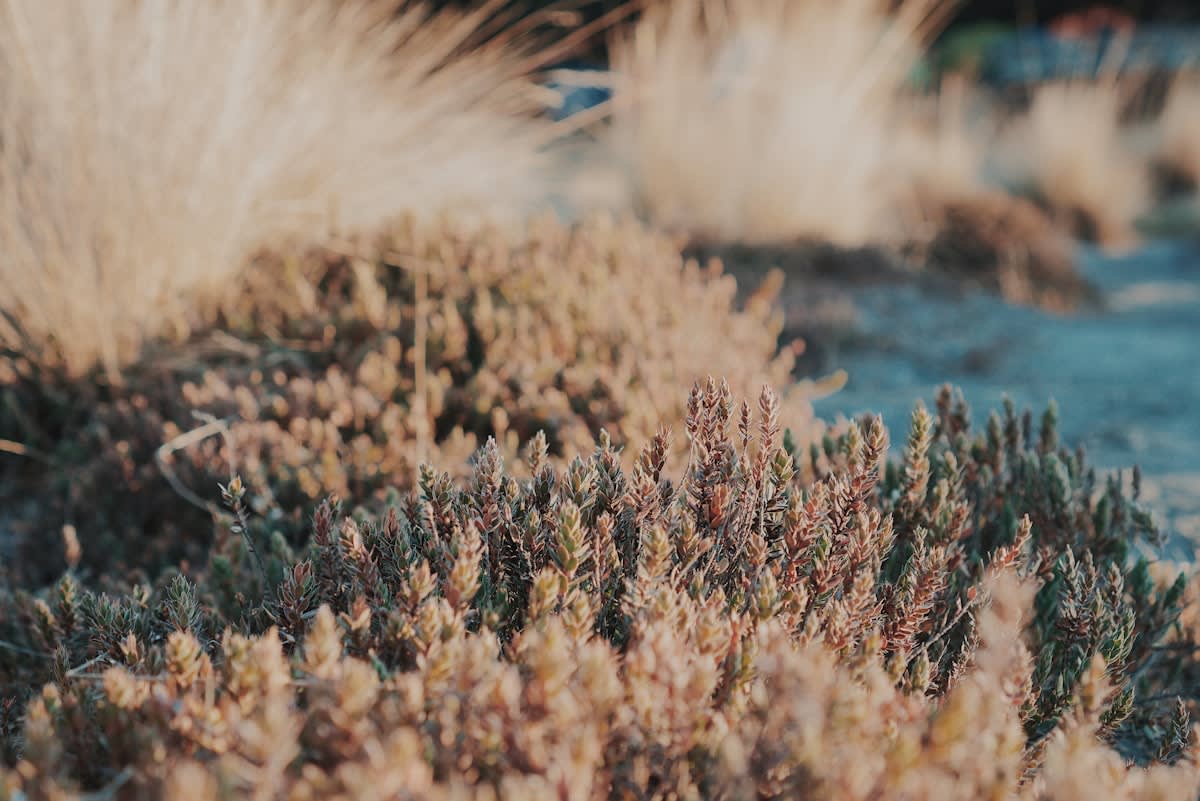
The technical engine driving this pivot is the halophyte—plants naturally evolved to thrive in high-salinity environments. We are seeing a surge in the commercialization of Salicornia (sea asparagus), sea kale, and salt-tolerant varieties of quinoa. These aren't just niche superfoods for high-end restaurants in London or New York. They are high-calorie, nutrient-dense crops that can be grown using seawater or brackish groundwater. In regions like the Gulf Cooperation Council (GCC) countries, this is a game-changer. By utilizing the vast coastlines of the Arabian Peninsula, these nations are attempting to slash their import dependency for forage and specialty grains.
Consider the shift in the North China Plain. For years, the region struggled with secondary salinization caused by over-irrigation. Now, the focus has shifted toward integrated saline-alkali farming systems. By pairing salt-tolerant crops with aquaculture—where fish waste fertilizes the plants and plants filter the water—farmers are creating closed-loop systems that produce double the yield per hectare compared to traditional monoculture (Source: World Bank Agriculture Report, 2023). Is this the end of the traditional grain belt? Not yet, but it is the beginning of a secondary, saline-based food system.
| Crop Type | Water Requirement | Primary Use | Salinity Tolerance |
|---|---|---|---|
| Traditional Rice | Freshwater | Staple Grain | Low |
| Halophytic Quinoa | Brackish/Sea Water | Protein/Grain | High |
| Salicornia | Sea Water | Oil/Gourmet Food | Very High |
| Sea Kale | Brackish Water | Vegetable | Medium-High |
This transition is not without friction. The primary hurdle isn't the biology—it's the infrastructure. Most existing irrigation systems are designed for freshwater; they corrode when exposed to high salt concentrations. The industry is currently debating the merits of HDPE (High-Density Polyethylene) piping versus specialized coatings to prevent system failure. Furthermore, the global seed market is still geared toward freshwater cultivars. The 'Salt Pivot' requires a complete overhaul of the seed supply chain to prioritize salt-tolerance over sheer yield volume.
The Ground Truth: A Practitioner's Perspective
On the ground, this looks less like a futuristic lab and more like a gritty battle with soil chemistry. If you walk through a saline farm in the Mekong Delta, you'll see the real friction: the struggle with drainage. You cannot simply pour saltwater on land and expect it to work; without precise drainage, you create a salt crust that kills everything, including the halophytes. Practitioners spend more time debating slope gradients and leaching fractions than they do discussing genetic markers. There is a constant tension between the 'purists' who want to use native salt-tolerant species and the 'engineers' pushing for CRISPR-edited crops that can handle extreme salinity while maintaining the taste of traditional staples.
Scaling the Salt Economy
The economic delta over the last year is evident in the venture capital flow. We are seeing a shift from 'AgTech' generally to 'SalineTech' specifically. Investment is pouring into desalination-integrated farming, where the brine byproduct—previously a toxic waste stream dumped back into the ocean—is used as the primary irrigation source for halophytes. This transforms a liability into an asset. According to a 2024 market analysis by AgriFutures, the market for saline-tolerant crops is projected to grow at a CAGR of 12% through 2030, driven by the necessity of adaptation in coastal megacities.
- Brine Valorization: Converting desalination waste into liquid fertilizer for halophytes.
- Coastal Land Reclamation: Converting abandoned salt marshes into productive forage zones.
- Genetic Diversification: Moving away from the 'Big Three' (corn, wheat, soy) toward salt-resilient alternatives.
- Integrated Multi-Trophic Aquaculture (IMTA): Combining sea-vegetables with shellfish and finfish.
Is this a silver bullet? No. Saline agriculture cannot replace the caloric output of the Great Plains or the Ukrainian Steppe overnight. However, it provides a critical safety valve. By moving non-staple crops—forage, oils, and specialty vegetables—to saline lands, we free up precious freshwater and prime soil for the crops that absolutely require them. This is the strategic essence of the Salt Pivot: it is not about replacing the old system, but about expanding the map of where food can actually grow.
Fact-Check & Accuracy Note
Key claims regarding the 20% land salinity affect are sourced from the FAO's 2023 soil salinity reports. Market growth projections are based on 2024 AgriFutures analysis. Ongoing debates regarding the use of CRISPR versus native species reflect current discourse within the International Society for Plant Nutrition and Soil Science.