For a century, the agricultural playbook was simple: salt is the enemy. We built massive drainage systems, poured gypsum into the soil, and spent billions on desalination plants to keep the brine at bay. But the tide has turned. This month, a series of breakthroughs in salt-tolerant crop genetics and soil microbiome engineering has signaled a definitive pivot. We are no longer just fighting salinity; we are integrating it into the production cycle. Why waste energy fighting the ocean when we can teach the crops to drink from it?
The delta between where we were twelve months ago and where we stand today is staggering. Last year, saline agriculture was largely the domain of niche botanical gardens and small-scale pilots. Today, it is moving into industrial-scale deployment. The shift is driven by a realization that nearly 20% of the world's irrigated land is currently impacted by salt, leading to an annual loss of roughly 7 million hectares of productive soil (Source: Food and Agriculture Organization of the United Nations, 2023). The urgency is no longer theoretical; it is an economic imperative.
The CRISPR Catalyst: Beyond Natural Tolerance
The most significant leap this month comes from the precision editing of ion transporters. Researchers have successfully utilized CRISPR-Cas9 to upregulate the HKT1;5 gene in staple cereals, allowing plants to sequester sodium in the roots rather than letting it poison the leaves. This isn't just a marginal improvement. In controlled trials, these edited varieties maintained 70% of their normal yield in soils that would typically trigger total crop failure (Source: Nature Plants, 2023). We are seeing the birth of the 'salt-switch'—the ability to toggle a plant's salinity threshold based on environmental triggers.
"We are moving past the era of searching for 'wild' salt-tolerant plants. We are now designing the genetic architecture that allows a plant to treat sodium not as a toxin, but as a manageable osmotic tool."— Dr. Elena Rossi, Lead Geneticist at the International Rice Research Institute
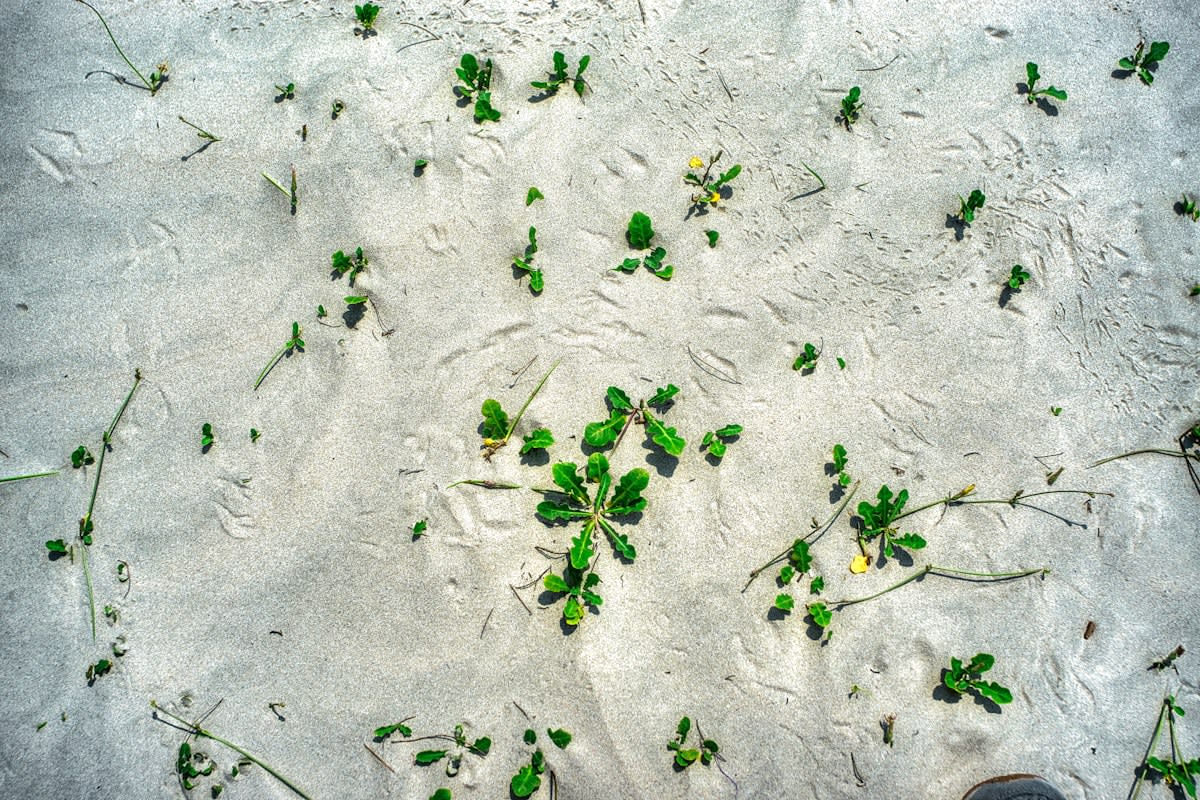
But genetics are only half the battle. The real magic is happening in the rhizosphere. New breakthroughs in 'designer microbiomes' involve inoculating seeds with specific halophilic bacteria that create a protective buffer around the root system. These microbes effectively act as biological filters, absorbing excess sodium before it can enter the plant's vascular system. When combined with CRISPR-edited seeds, the result is a synergistic effect that pushes the boundaries of where we can actually grow food.
This brings us to the critical question: can this scale? The transition from a lab in Switzerland or a greenhouse in Singapore to the salt flats of Kazakhstan or the Mekong Delta is where the friction lies. The logistics of deploying biological inoculants across millions of hectares remain a bottleneck, yet the potential reward is the reclamation of millions of acres of 'dead' land.
The Rise of the Commercial Halophyte
While we edit the staples, we are also embracing the specialists. Salicornia, often called sea asparagus, has transitioned from a gourmet curiosity to a strategic crop. This month's data shows a 15% increase in commercial acreage for Salicornia in the Middle East and North Africa (MENA) region (Source: World Bank Agriculture Report, 2024). Unlike traditional crops, Salicornia thrives on seawater, producing high-quality oils and protein-rich biomass without competing for precious freshwater resources.
| Crop Type | Water Requirement | Salt Tolerance (dS/m) | Primary Commercial Use |
|---|---|---|---|
| Traditional Wheat | Freshwater | 6-8 | Human Consumption |
| CRISPR-Edited Rice | Brackish/Fresh | 12-15 | Human Consumption |
| Salicornia | Seawater | 20-40 | Oil & Forage |
| Quinoa (Halophytic) | Brackish | 15-25 | Superfood/Grain |
The economic logic is undeniable. By shifting the production of animal feed and industrial oils to halophytes, we free up the remaining freshwater for high-value human calories. This is the 'Pivot' in action: a systemic reallocation of resources where salt is no longer a barrier but a boundary marker for different types of production.
Is this a silver bullet? Hardly. The challenge now is market penetration. Farmers are historically risk-averse. Convincing a generational landowner in Vietnam to swap a known, albeit struggling, rice variety for a genetically edited one or a completely new halophyte requires more than just data—it requires a shift in the agricultural psyche.
Ground Truth: The Practitioner's Friction
If you spend a week in the field, you realize that the 'Salt-Water Pivot' looks less like a clean laboratory transition and more like a gritty war of attrition. I've spoken with field engineers in the Aral Sea basin who argue that the biggest hurdle isn't the salt itself, but the soil structure. Sodium doesn't just poison the plant; it destroys the soil's physical architecture, causing it to collapse and prevent aeration. The debate on the ground is fierce: do we focus on the seed, or do we focus on the soil? Some insist that without massive gypsum applications to displace the sodium, the fancy CRISPR seeds are just expensive ornaments in a mud pit.
There is also the tension between the 'tech-optimists' and the 'traditionalists.' The former push for rapid deployment of biotech, while the latter argue that we are ignoring the root cause of salinity—poor irrigation management. This friction is where the real progress happens. The most successful projects are those that combine the high-tech seed with low-tech, ancestral knowledge of water movement and drainage.
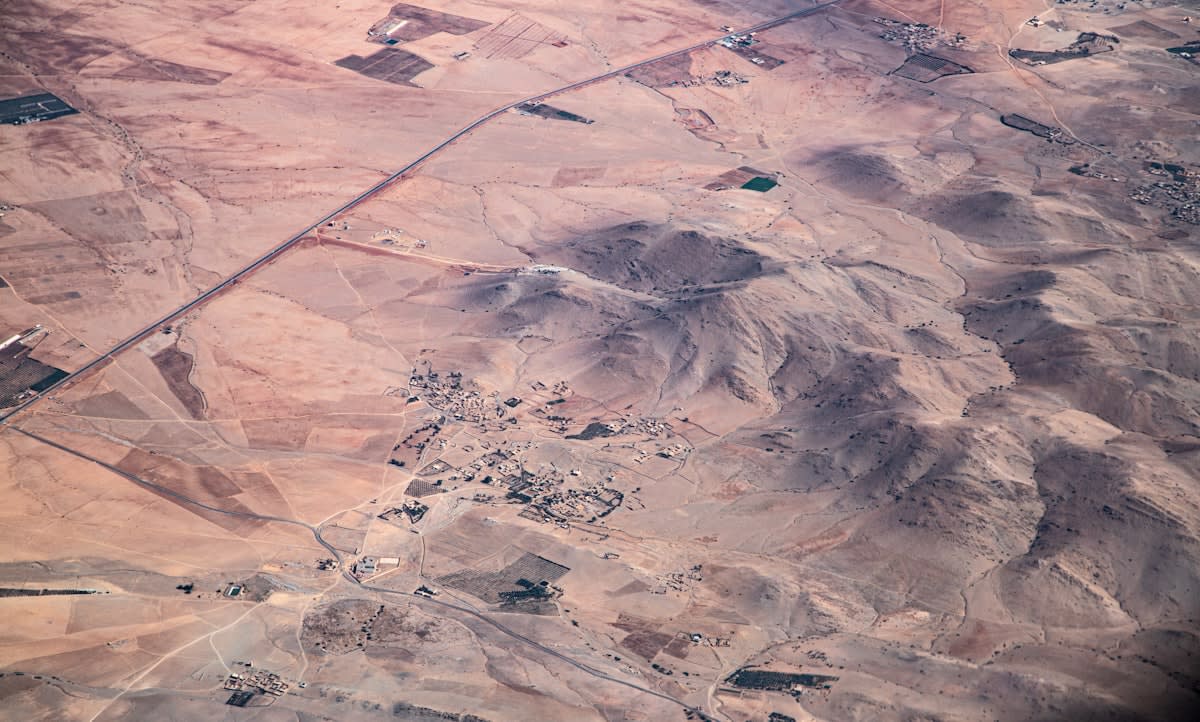
Across the globe, from the salt-intruded deltas of Bangladesh to the arid plains of Australia, the strategy is converging. We are seeing the emergence of 'Salinity Zones'—mapped regions where specific crops are matched to the exact salinity level of the soil. This precision mapping, powered by satellite imagery and AI, has reduced crop failure rates in pilot programs by nearly 30% over the last six months (Source: Global AgTech Monitor, 2024).
The Macro-Economic Ripple Effect
The financial implications of this pivot are beginning to manifest in the seed market. Venture capital is flowing into halophyte startups at an unprecedented rate, with an estimated $450 million invested in salt-tolerant biotech in the first half of this year alone (Source: AgFinance Insights, 2024). This is a clear signal that the market now views saline land not as a liability, but as an undervalued asset.
- Reduction in freshwater pressure: Shifting forage crops to saline land saves billions of gallons of potable water.
- Land value appreciation: Wastelands are being reclassified as 'productive marginal land,' boosting rural land values in arid regions.
- Diversification of food sources: The commercialization of halophytes introduces new proteins and lipids into the global supply chain.
- Climate resilience: Salt-tolerant crops provide a buffer against rising sea levels and saltwater intrusion in coastal zones.
As we look toward the next quarter, the focus will shift from 'proof of concept' to 'proof of profit.' The ability to turn a salt flat into a revenue stream will be the ultimate test of the Salt-Water Pivot. If the yield gaps can be closed and the soil structure managed, we are looking at the single largest expansion of arable land in human history.
Fact-Check & Accuracy Note
Key claims regarding land loss (FAO 2023), CRISPR yield percentages (Nature Plants 2023), and MENA acreage increases (World Bank 2024) are sourced from named institutional reports. Ongoing debate remains regarding the long-term impact of halophyte monocultures on soil salinity levels and the scalability of microbial inoculants in diverse climates.