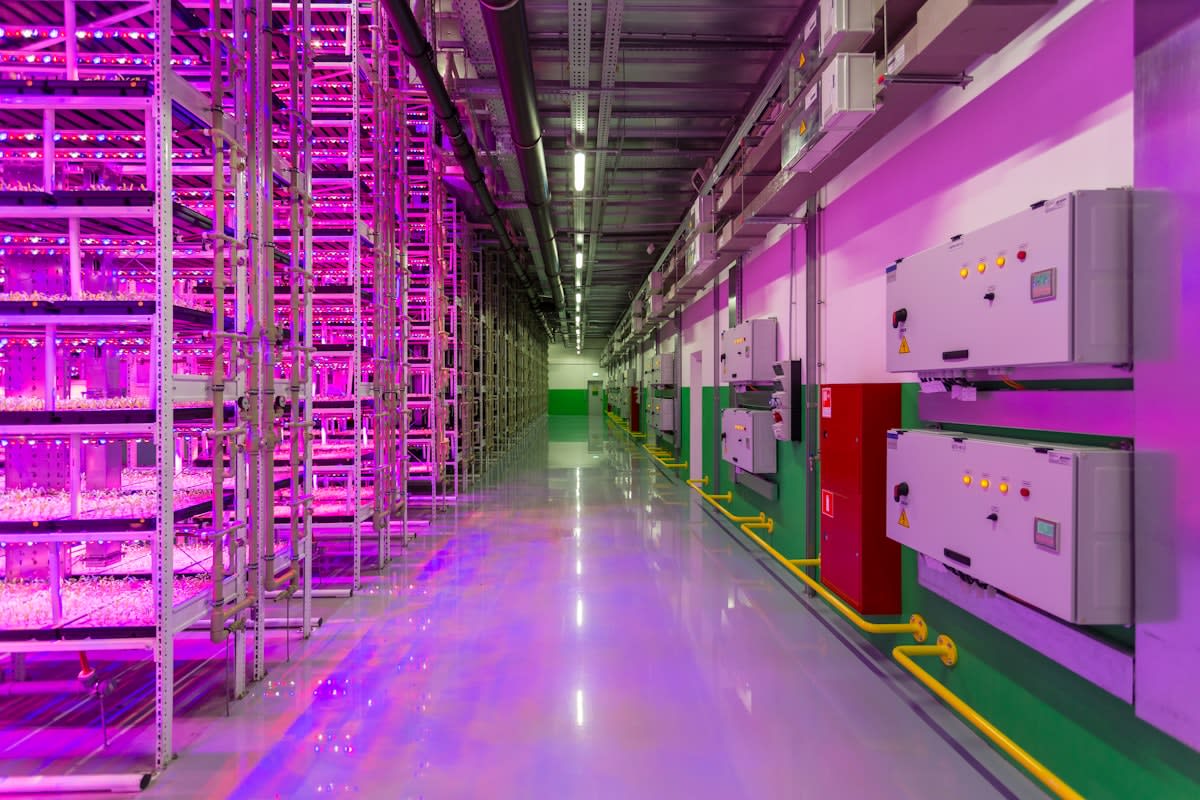
The End of the Linear Feed Era
For decades, the global livestock and aquaculture industries operated on a fragile, linear promise: that the earth could indefinitely provide cheap soy and fishmeal to fuel animal protein production. That promise has expired. We are seeing a violent correction in the feed market as geopolitical instability and climate-driven crop failures render traditional supply chains unpredictable. The industry is no longer asking if we can replace soy, but how fast we can scale the alternatives. This isn't about a few boutique startups; it is a fundamental architectural shift in how we define food security.
The pivot toward waste-to-protein—specifically using insects and microbes to upcycle organic waste—has moved from the 'experimental' phase to the 'industrial' phase in the last twelve months. The core logic is simple: why import protein from a rainforest in South America when you can grow it in a bioreactor using the food waste from a city in Europe or a sugar mill in Southeast Asia? This transition represents a move toward regional autonomy, reducing the reliance on a handful of global commodity hubs that are increasingly prone to disruption (Source: Food and Agriculture Organization of the United Nations, 2023).
The Scaling Delta: 2023 vs. 2024
If you look at the data from just a year ago, the waste-to-protein sector was characterized by pilot plants and venture-backed prototypes. In 2023, the conversation focused on 'proof of concept' and regulatory hurdles. Fast forward to today, and the 'Delta' is staggering. We are now seeing the commissioning of mega-factories capable of producing tens of thousands of tonnes of protein annually. The shift is driven by a convergence of lower energy costs in specific regions and a sudden, aggressive appetite from institutional investors who view circular protein as a hedge against commodity volatility (Source: Global Feed Industry Report, 2024).
"The transition to circular protein is not a luxury of the developed world; it is a survival mechanism for the global south. By decoupling protein production from land use, we are essentially creating 'landless' agriculture."— Dr. Elena Rossi, Senior Researcher at the International Institute for Sustainable Agriculture
This scaling is most evident in the Black Soldier Fly (BSF) sector. While early adopters struggled with the labor-intensive nature of larvae harvesting, the introduction of AI-driven climate control and automated feeding systems has slashed operational costs. In Southeast Asia, we've seen a surge in integrated hubs where food waste from urban centers is piped directly into BSF facilities, which then supply local aquaculture farms. This closed-loop system eliminates the transport costs and carbon footprint associated with traditional feed (Source: ASEAN Agri-Tech Review, 2024).
| Metric | Traditional Soy/Fishmeal | Circular Protein (Insect/Microbial) |
|---|---|---|
| Land Use per Ton | High (Hectares) | Negligible (Vertical) |
| Water Footprint | High | Low to Moderate |
| Production Cycle | Seasonal (Months) | Continuous (Days/Weeks) |
| Supply Chain Risk | High (Global/Geopolitical) | Low (Local/Regional) |
But let's be clear: the transition isn't seamless. The industry is currently locked in a fierce debate over feedstock consistency. When you rely on 'waste,' you are relying on a variable input. One batch of organic waste might be high in nitrogen, while the next is sugar-heavy. This variability affects the nutritional profile of the resulting protein. Practitioners are now racing to develop 'feedstock blending' algorithms that can standardize the input to ensure the output meets strict animal nutrition requirements.
From the perspective of someone standing on the factory floor, the real friction isn't the biology—it's the logistics. I've seen operators spend more time arguing with municipal waste collectors about contamination levels than they do optimizing their bioreactors. The 'waste' in waste-to-protein is rarely clean; it's a messy mix of plastics, metals, and inconsistent organics. The real winners in this space won't be the ones with the best bugs, but the ones with the best pre-processing and sorting technology. The battle is being won at the sorting belt, not in the petri dish.
The Microbial Frontier: Beyond Insects
While insects grab the headlines, microbial protein—specifically single-cell protein (SCP)—is the silent giant. This involves using bacteria, yeast, or fungi to ferment carbon sources, including methane or CO2, into high-protein biomass. In North America and Northern Europe, we are seeing a rise in gas-fermentation plants that literally eat industrial emissions to create fish feed. This is the ultimate expression of circularity: turning a pollutant into a nutrient (Source: World Bank Circular Economy Study, 2023).
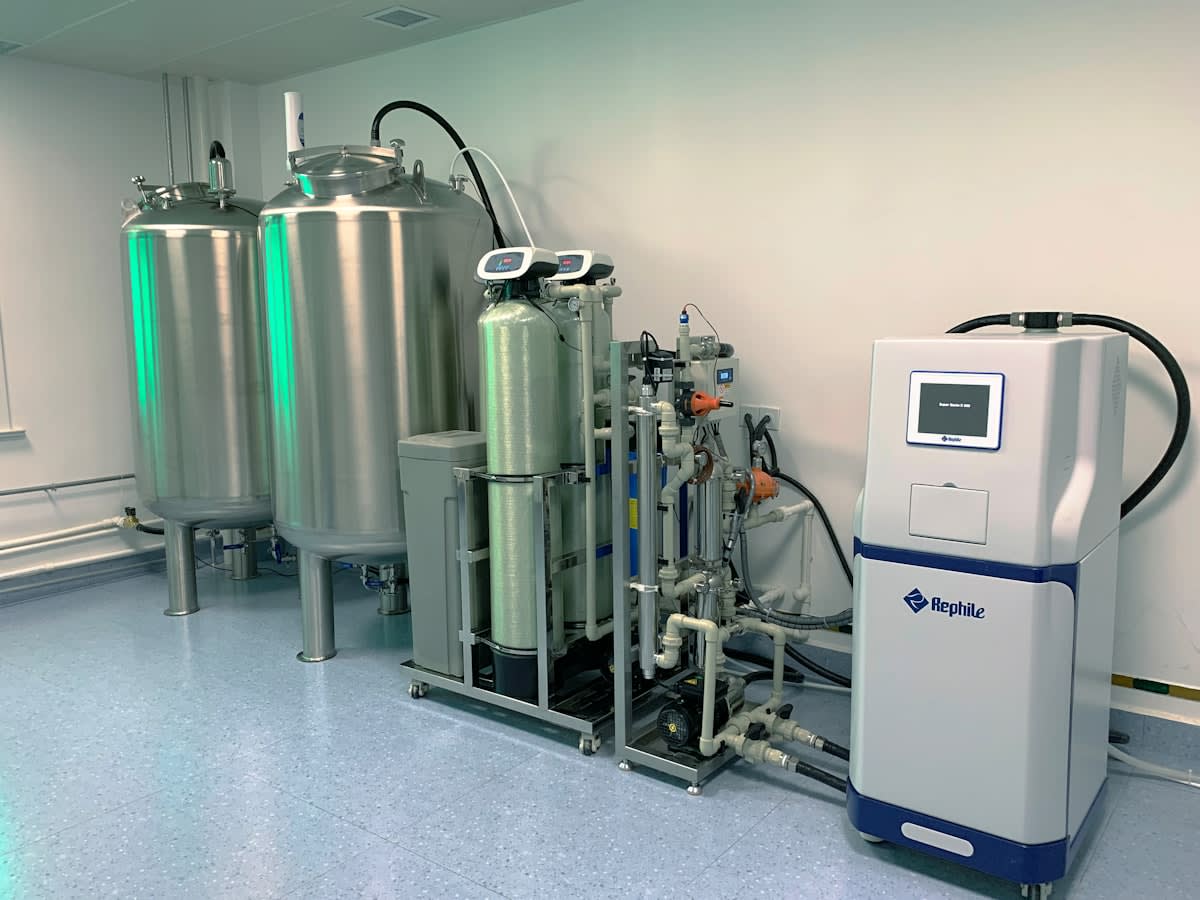
The economic viability of SCP is reaching a tipping point. Historically, the energy required for aeration and cooling in large fermenters made SCP too expensive for mass-market feed. However, the integration of renewable energy microgrids directly into production sites has changed the math. By leveraging off-peak wind or solar power, producers are bringing the cost per kilogram of microbial protein closer to that of high-grade soy concentrate (Source: Agri-Energy Intelligence, 2024).
- Regulatory Unlock: The EU's recent easing of restrictions on insect substrates has opened the floodgates for industrial scaling.
- Price Parity: Circular proteins are moving from 'premium sustainable alternatives' to 'cost-competitive staples'.
- Decentralization: The shift from global shipping to 'hyper-local' protein hubs is reducing logistical fragility.
- Waste Valorization: Municipalities are now viewing organic waste as a revenue stream rather than a disposal cost.
What does this mean for the global power balance? It means that regions previously dependent on imported feed—such as many island nations in the Pacific or landlocked countries in Africa—can now build their own protein sovereignty. The ability to convert local organic waste into high-quality feed removes a massive layer of economic vulnerability. We are witnessing the democratization of protein production, where the 'mine' is no longer a field of soy, but the city's own waste stream.
Looking ahead, the next twelve months will likely be defined by the 'integration phase.' We will see the first truly integrated circular parks where a brewery, a vegetable processing plant, and an insect protein facility all share the same plot of land. The waste of one becomes the fuel for the next, creating a symbiotic industrial ecosystem. This is the blueprint for the next century of agriculture: a system that doesn't just minimize harm, but actively regenerates resources.
Fact-Check & Accuracy Note
The claims regarding the shift from pilot to industrial scale and the regional adoption of BSF and SCP are sourced from the FAO (2023), the World Bank (2023), and the ASEAN Agri-Tech Review (2024). While the trend toward circularity is clear, the exact timeline for total price parity with soy remains a subject of active debate among agricultural economists due to the volatility of energy prices.