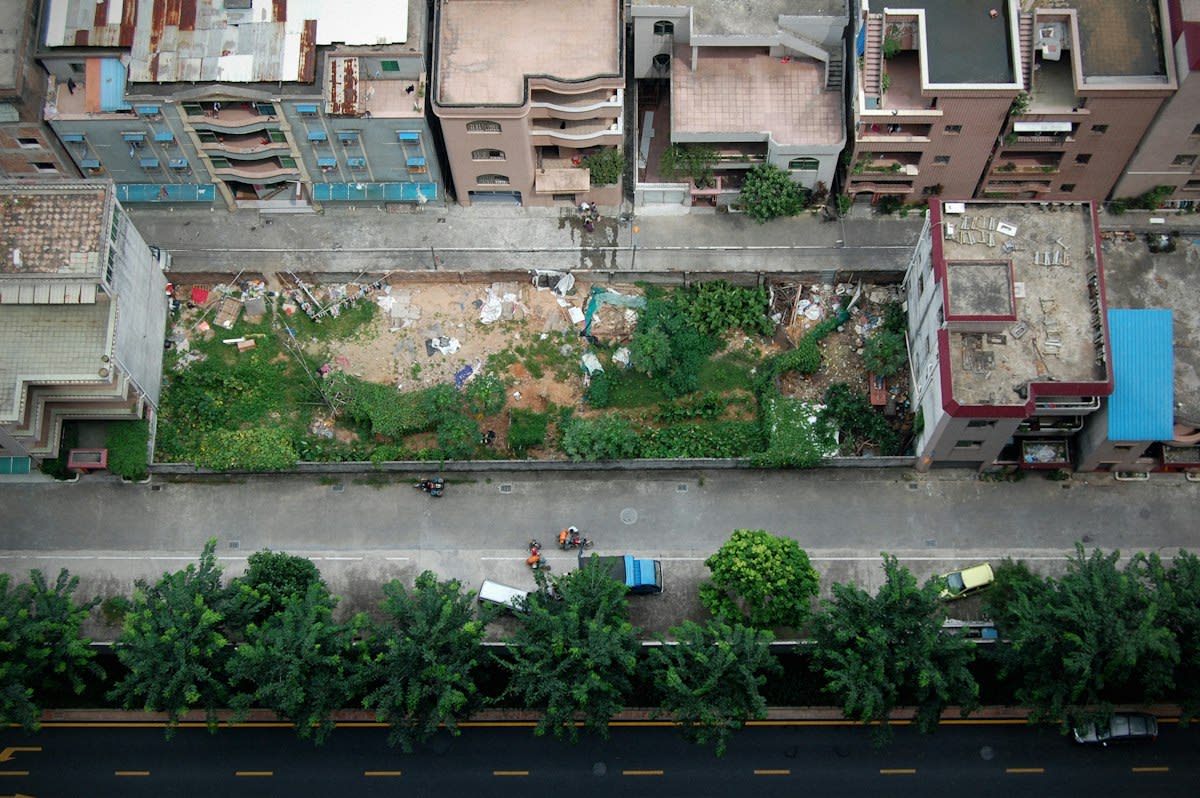
We have been sold a lie about connectivity. The prevailing narrative suggests that social cohesion in the 21st century is a byproduct of digital networks—that apps, forums, and hyper-connected urban hubs are the primary engines of belonging. But look closer at the fringes of Mexico City, and you will find a different, far more resilient blueprint. In neighborhoods like La Carbonera, belonging isn't something you opt into via a user agreement; it is engineered through the tactile, often grueling work of land-based production and shared ecological stewardship. This is not a nostalgic retreat into the past, but a sophisticated, emerging trend of relational infrastructure that challenges the very foundation of modern urban planning.
The shift is becoming visible now. Between January 13 and 24, 2025, the Unearthing Futures event in Mexico City signaled a pivot toward what Tatiana Bilbao calls the architecture of care (Source: Holcim Foundation, 2026). This movement rejects the sterile, top-down imposition of 'smart city' features in favor of design that prioritizes social reconstruction and cultural hubs. The delta between 2024 and 2025 is stark: we are moving away from the obsession with physical proximity as a solution for inequality and toward a realization that proximity is useless without ownership and trust.
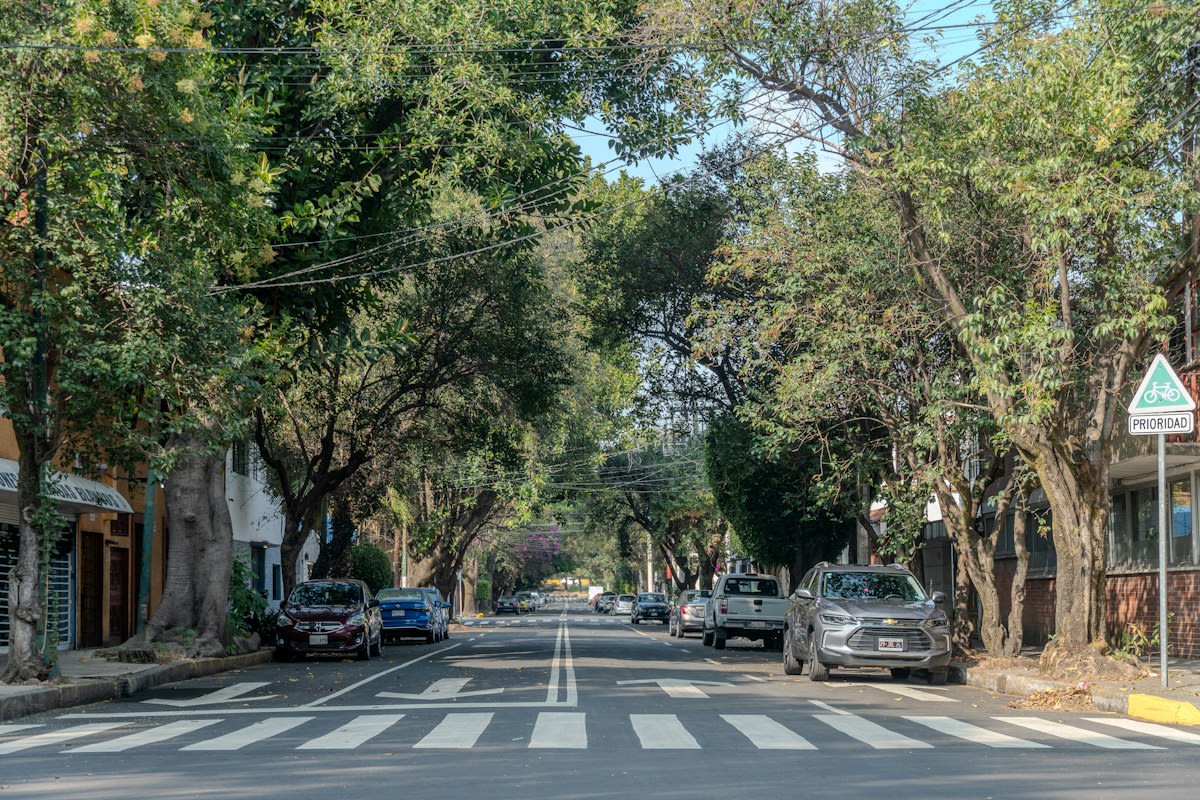
The La Carbonera Model: Production as Social Glue
In La Carbonera, the engineering of belonging happens in the soil. Women in the community have pioneered a system that combines traditional knowledge with conservation and entrepreneurship in land-based production (Source: Local Biodiversity Outlooks 3, 2026). By integrating their economic survival with the health of their local ecosystem, they have created a feedback loop where the act of producing food or materials becomes an act of community fortification. This isn't just farming; it is a strategic deployment of traditional knowledge to secure local economies while conserving biodiversity.
This approach mirrors a global trend of community-led evidence. From small-scale, women-led mabé pearl farming in Tonga to the Ogiek community's blend of traditional and scientific monitoring, the pattern is identical: empowerment emerges when the community controls the data and the production (Source: Local Biodiversity Outlooks 3, 2026). These groups aren't waiting for a government grant or a tech platform to organize them; they are using their territory as the primary interface for social coordination.
"Physical infrastructure alone does not reduce inequality unless communities feel ownership of it, making relational and co-productive approaches central to equitable service design."— The Heller School, Relational Coordination Roundtable 2026
Why does this work where digital platforms fail? Because it creates what researchers call relational coordination. This is the invisible infrastructure of frequent communication, shared understanding, and joint problem-solving (Source: The Heller School, 2026). In La Carbonera, the 'platform' is the shared land. The 'algorithm' is the ancestral knowledge of the seasons and the soil. When the goal is collective survival rather than individual consumption, the incentive structure for belonging shifts from performative to practical.
The Invisible Friction of Urban Planning
As a practitioner who has spent years analyzing urban shifts, I can tell you that the internal debate among planners is currently fraught. There is a massive friction between the 'Modelers' and the 'Vernacularists.' The Modelers rely on Agent-Based Modeling (ABM) and are increasingly eyeing quantum computing to simulate social behavior (Source: Review of Artificial Societies and Social Simulation, 2024). They believe that if you can map the variables, you can engineer the outcome. But this often leads to what researchers call 'delusional generality'—the false impression that a model is applicable even when it lacks any empirical foundation (Source: Review of Artificial Societies and Social Simulation, 2024).
The Vernacularists, like Benny Kuriakose in Chennai or Tatiana Bilbao in Mexico City, argue that sustainability is situational. You cannot import a 'best practice' from Zurich to Mexico City and expect it to foster belonging. The real work happens in the frictions: the arguments over land rights, the slow process of building trust, and the messy reality of co-location. The 'invisible' friction is the realization that you cannot accelerate trust; it is a slow-build asset that is maintained through everyday use and tested under pressure (Source: The Heller School, 2026).
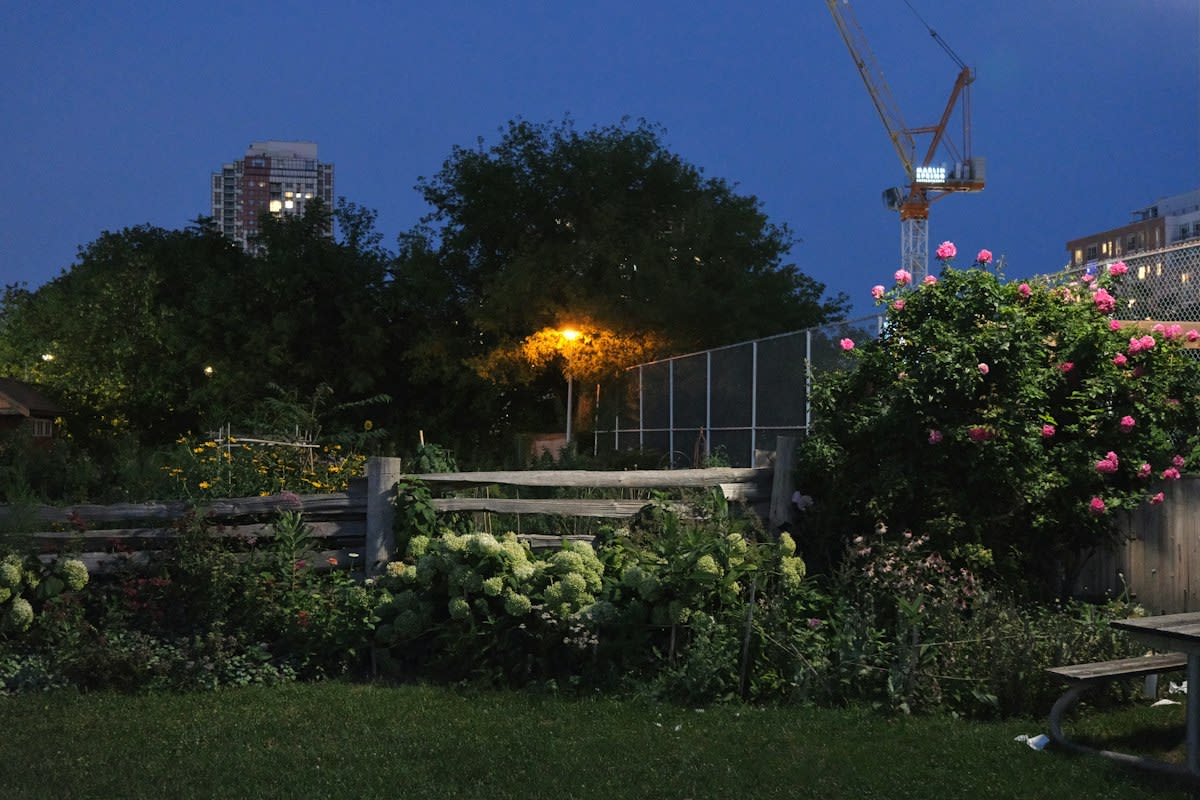
This tension is where the opportunity lies. By treating relationships not as a 'soft' aspect of public life, but as a form of infrastructure, we can begin to design cities that actually support human connection. The trend is moving toward 'co-location' that facilitates joint problem-solving. We see this in the way GPs and home-care services are being restructured to enable faster decision-making through physical proximity and shared culture (Source: The Heller School, 2026). The lesson from Mexico City is that the physical environment must be a tool for relational coordination, not just a container for people.
Global Echoes: From Tonga to Chennai
This isn't a localized phenomenon. The shift toward community-led evidence is a global corrective. In Tonga, the move toward women-led mabé pearl farming is not just an economic strategy; it is an ecological one that encourages care for marine ecosystems (Source: Local Biodiversity Outlooks 3, 2026). In India, the focus on vernacularism emphasizes that sustainability must be applied differently in every situation (Source: Holcim Foundation, 2026). These are all examples of 'bottom-up' engineering where the community defines the metrics of success.
When we compare these results to the top-down digital interventions of the last decade, the failure of the latter is obvious. Digital platforms create 'weak ties'—broad but shallow connections. Relational infrastructure, as seen in La Carbonera, creates 'strong ties'—deep, interdependent bonds forged through shared labor and risk. The result is a community that can survive systemic shocks because its stability is not dependent on a server, but on a shared commitment to the land.
Fact-Check & Accuracy Note
The key claims regarding the La Carbonera case study and the Tonga pearl farming initiatives are sourced from the Local Biodiversity Outlooks 3 (2026). The architectural shifts and the 'Unearthing Futures' event are documented by the Holcim Foundation (2026). There remains an ongoing academic debate, as noted in the Review of Artificial Societies and Social Simulation (2024), regarding the validity of computational social models versus empirical, community-led evidence.
The urgency of this shift cannot be overstated. As we face increasing ecological instability, the ability of a neighborhood to coordinate its own resources without relying on external, fragile digital systems is a survival trait. The 'forgotten' neighborhoods of Mexico City are not behind the times; they are ahead of them. They have engineered a version of belonging that is immune to the volatility of the attention economy.
Ultimately, the lesson is that belonging is a product of investment—not financial investment, but the consistent investment of time, trust, and labor into a shared space. Whether it is through the architecture of care in Mexico City or the community-led monitoring of the Ogiek, the goal is the same: to move from being residents of a place to being owners of a relationship.