Australian umpire's Ranji sojourn: Planes overhead at Palam, BKC's red soil pitch
Source Entity
PRATYUSH RAJ
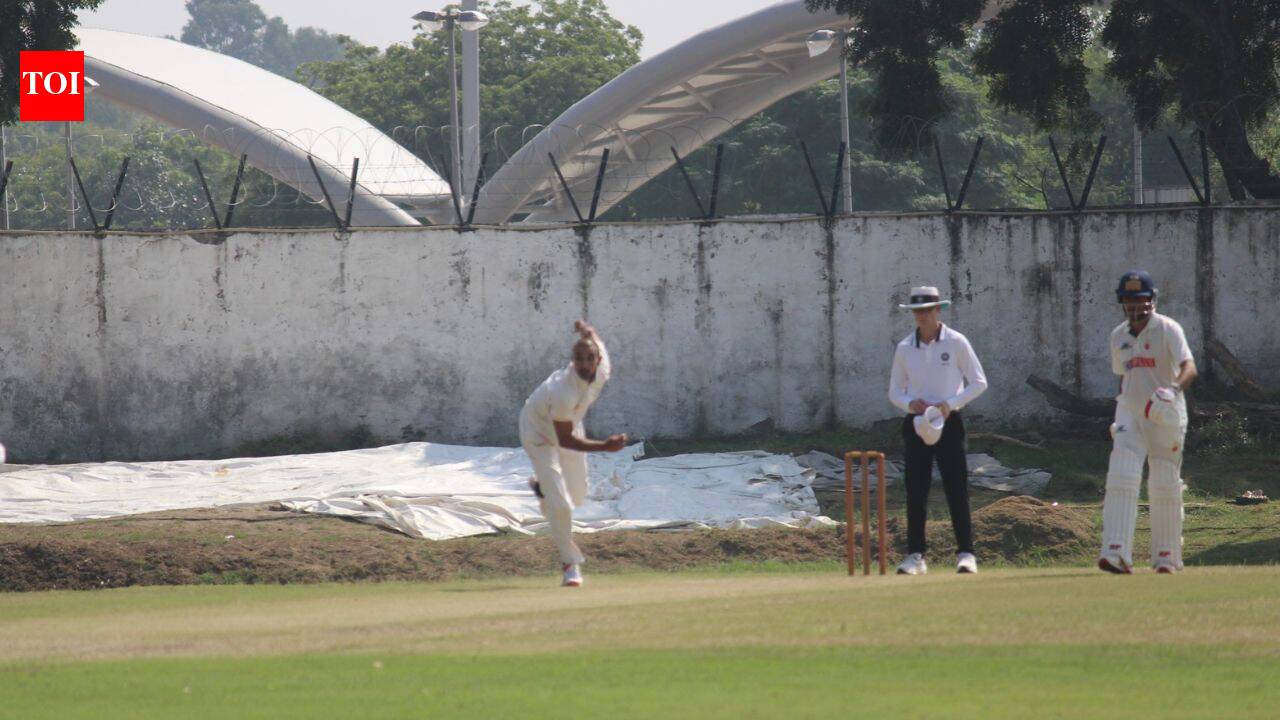
Australian umpire Ben Treloar is officiating in India's Ranji Trophy as part of a BCCI-Cricket Australia exchange program. He has shared unique insights into the distinct challenges and cultural experiences of Indian domestic cricket venues.
Bridging Cricket Cultures: Ben Treloar’s Ranji Trophy Experience
A Cross-Continental Exchange
The inclusion of Australian umpire Ben Treloar in the Indian domestic circuit represents a significant effort by the BCCI and Cricket Australia to foster collaboration between two of the world's most prominent cricketing nations. As an Umpire Education Officer for Cricket New South Wales, Treloar brings a wealth of expertise to the Indian domestic setup, while simultaneously gaining firsthand exposure to the unique pressures and environments of the Ranji Trophy.
Navigating the Sensory Challenges of Palam
Treloar’s observations regarding the Palam ground in Delhi highlight the stark contrast between international venues and the grassroots reality of domestic cricket. His account of airplanes flying overhead every five minutes provides a vivid illustration of the distractions that officials must navigate in local Indian venues. This environment serves as a rigorous training ground for umpires, requiring immense focus and adaptability, which are essential traits for those looking to reach the international stage.
Pitch Dynamics and Technical Nuances
Beyond the external environment, Treloar has been tasked with officiating on diverse surfaces, such as the red-soil pitch at the Bandra Kurla Complex (BKC) in Mumbai. Red-soil pitches are notorious for their bounce and pace, which differ significantly from the black-soil tracks often found elsewhere. For an umpire, managing these transitions requires a deep understanding of how ball behavior changes across different soil compositions, further refining his technical proficiency.
Cultural Immersion and Hospitality
While the technical aspects of the game are paramount, Treloar’s experience is also defined by the human element of Indian cricket. The warmth of the local staff and the players has been a standout feature of his visit. Furthermore, his culinary exploration—ranging from the staple vada pav to garlic naan—reflects the broader cultural exchange that happens when sports professionals travel abroad. These experiences are vital for building the personal connections that underpin international sports diplomacy.
The Future of Umpire Development
Treloar’s role as an educator back in New South Wales means that the lessons learned on Indian soil will likely influence the next generation of Australian umpires. By exposing officials to the high-pressure, high-intensity environment of the Ranji Trophy, both boards are ensuring that the standard of officiating continues to evolve. This exchange program is a testament to the fact that cricket is as much about the people and the environment as it is about the rules on the field.
Conclusion
Ben Treloar’s sojourn into Indian domestic cricket serves as a reminder of the depth and complexity of the sport. From managing airplane noise at Palam to reading the nuances of Mumbai's red-soil wickets, his journey highlights the versatility required of elite umpires. This exchange not only strengthens the ties between the BCCI and Cricket Australia but also enriches the professional development of those tasked with maintaining the integrity of the game.