Around Town: After Swati Snacks, Karan Shah comes home with Makaan, his new Gujarati restaurant in Juhu
Source Entity
Heena Khandelwal
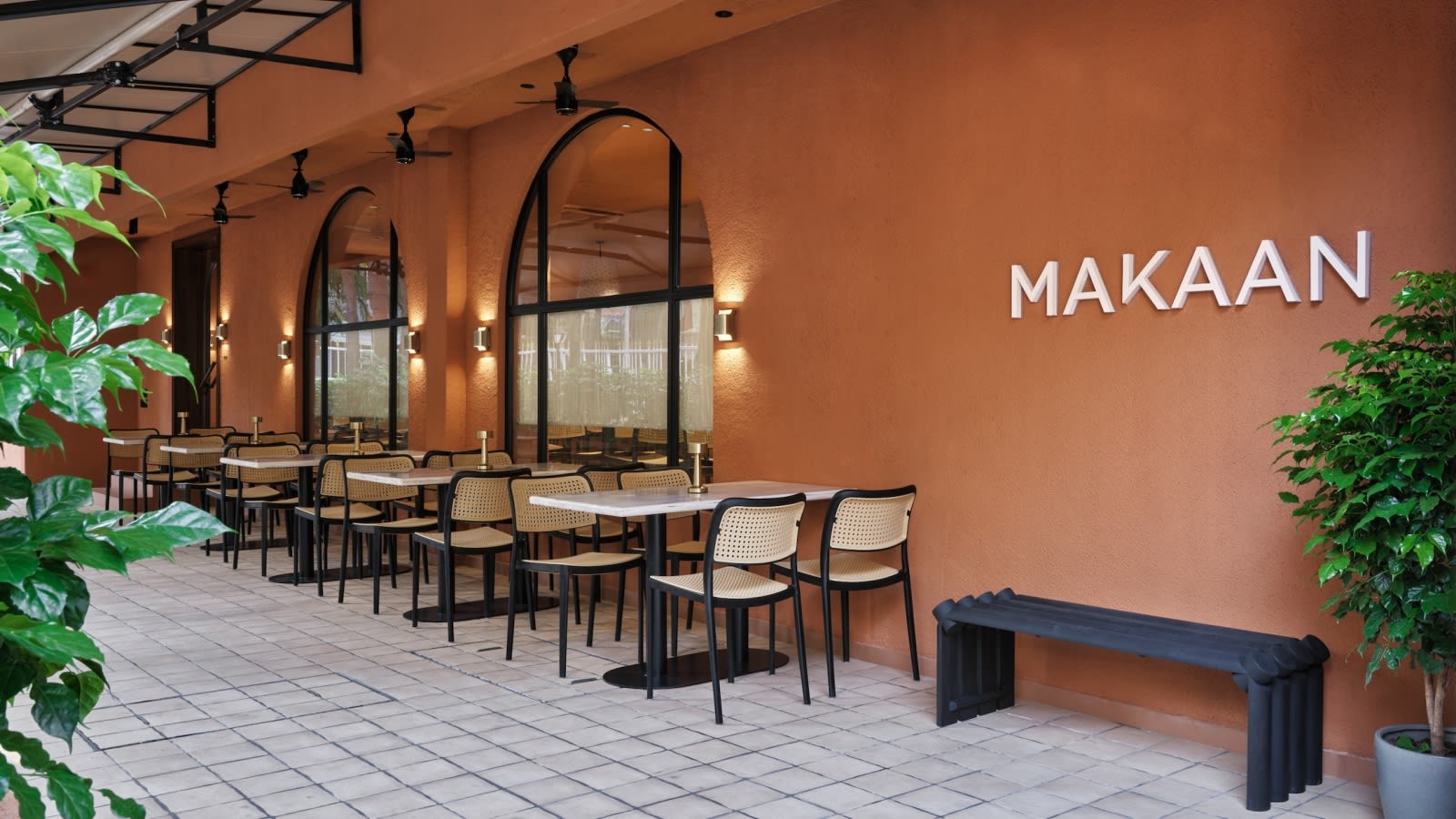
Mumbai's culinary scene sees new developments with Karan Shah launching his Gujarati restaurant Makaan in Juhu and Chef Niyati Rao balancing her creative life with her husband Sagar Neve. These stories highlight the personal journeys of restaurateurs shaping the city's evolving gastronomic landscape.
The Evolving Culinary Landscape of Mumbai
Mumbai’s vibrant food culture is currently witnessing a renaissance driven by deeply personal narratives. Two distinct stories—Karan Shah’s transition from the legacy of Swati Snacks to his new venture, Makaan, and the domestic life of celebrated chef Niyati Rao—underscore how personal history and heritage are increasingly defining the modern dining experience in India’s commercial capital.
Makaan: A Personal Homage to Heritage
Karan Shah’s journey from his eight-year tenure at the iconic Swati Snacks to the launch of Makaan marks a significant shift in how restaurateurs approach traditional Gujarati cuisine. By working alongside his mami, Asha Jhaveri, Shah absorbed the nuances of maintaining a legacy brand. Makaan, which translates to 'house,' is a physical manifestation of his childhood memories in Colaba. The design choices—terracotta elements, bandhani lamps, and the symbolic Laxmi footprints—avoid the trap of traditional over-saturation, opting instead for a subtle, warm aesthetic that invites diners to feel as though they are entering a private home rather than a commercial establishment.
The Intersection of Life and Labor
For Niyati Rao and her husband Sagar Neve, the creators behind Ekaa, Bombay Daak, KMC*, and Ringo, the line between professional rigor and personal routine is intentionally blurred. Their lifestyle, characterized by early morning walks at Shivaji Park and a home shared with four cats, provides a candid look at the reality behind high-pressure culinary success. This holistic approach to their personal and professional lives reflects a broader trend in the hospitality industry where the 'chef-owner' identity is increasingly rooted in transparency, authenticity, and a balanced, humanized lifestyle.
Cultural Roots and Professional Evolution
Both narratives highlight the importance of cultural lineage. For Shah, it is the culinary foundation provided by his family at Swati Snacks that anchors his new concept. For Rao, it is the diverse experiences of her upbringing—a father who was a music composer and a mother who was a scientist—that inform her experimental and scientific approach to food. These backgrounds are not merely anecdotes; they are the bedrock upon which these chefs build their unique culinary identities in a competitive market.
Future Trends in Mumbai Dining
Looking ahead, the success of ventures like Makaan suggests that diners in Mumbai are increasingly gravitating toward 'experiential' dining that prioritizes emotional connection and intimacy. The shift away from generic, high-gloss restaurant design toward spaces that emphasize warmth and personal storytelling is likely to continue. As chefs like Rao continue to innovate, the city’s food scene will likely see a blend of rigorous, science-backed culinary techniques paired with the deeply personal, 'home-grown' narratives that resonate with the modern urban consumer.
Conclusion
Whether through the nostalgic architecture of a new Juhu eatery or the disciplined, creative lifestyle of a celebrated chef duo, Mumbai’s culinary leaders are proving that the most successful ventures are those that tell a story. By marrying their professional expertise with their personal histories, Shah and Rao are setting a new standard for hospitality in India.
Multiple Citing Sources