Tiger Shroff attack handlers relayed TV news updates to shooters: Report
Source Entity
Latest News: Todays Latest News Headlines from India & World | Hindustan Times | Hindustan Times
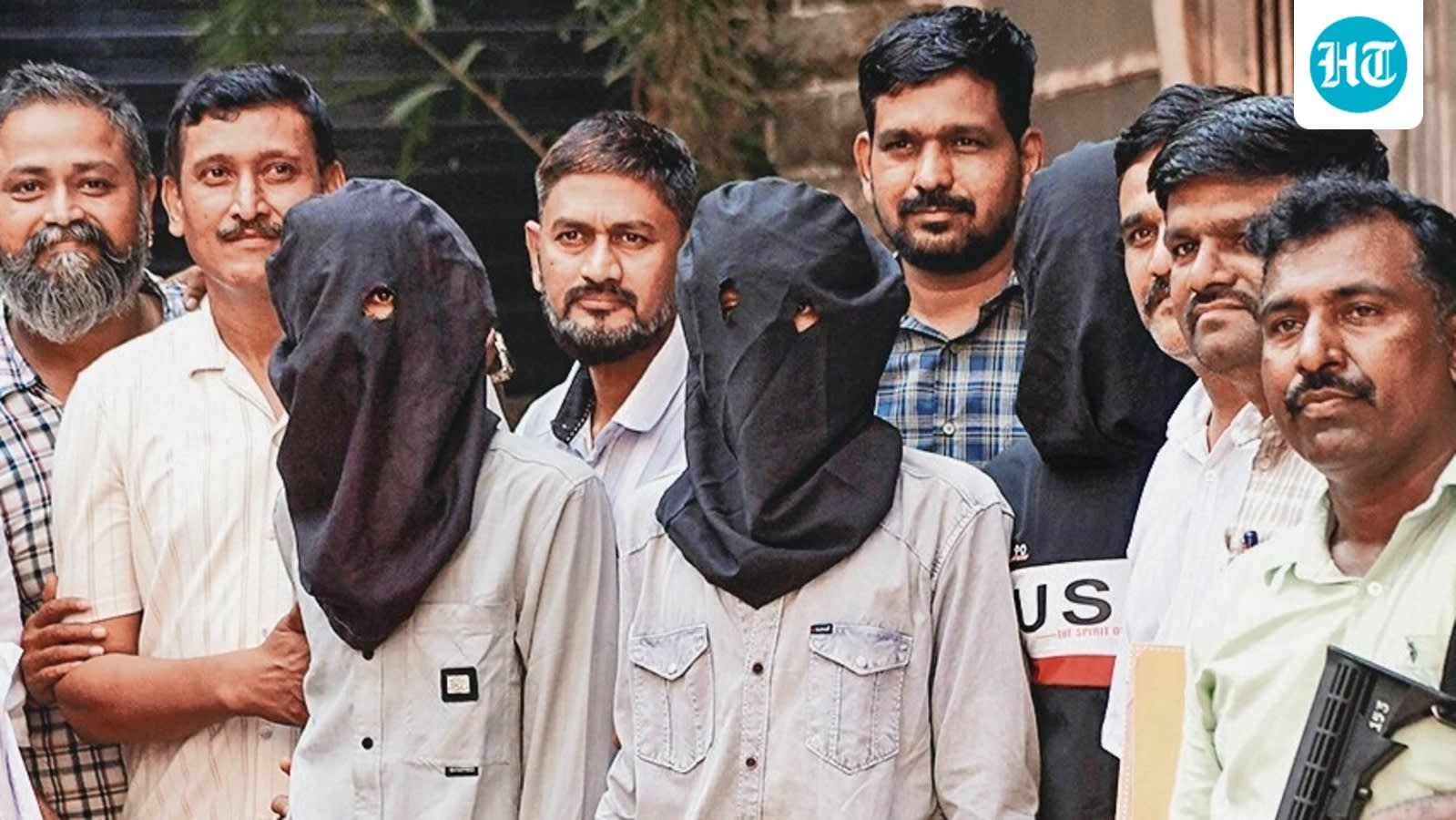
Shooters who targeted actor Tiger Shroff in Juhu used real-time TV news reports to evade Mumbai Police. While authorities have made arrests, experts warn that the underlying criminal network remains a significant threat to Bollywood's security.
The Weaponization of Real-Time Media in Criminal Evasion
The shooting incident involving actor Tiger Shroff on October 18 in Juhu, Mumbai, has unveiled a chilling new paradigm in criminal operations: the tactical use of live news coverage. As shooters fled the scene on a motorcycle, they were not acting in a vacuum; they were reportedly guided by handlers who monitored news channels to track the progress of the Mumbai Police investigation. This reliance on public media broadcasts provided the perpetrators with a distinct tactical edge, allowing them to adjust their escape routes based on the information being disseminated to the public.
The Role of Real-Time Intelligence
According to police sources, the feedback loop between news broadcasts and the suspects was direct and immediate. When television channels began broadcasting footage of the shooters, the handlers were alerted to the visual identification of their associates. A message was promptly relayed to one of the shooters: “Tumhare chehre aa gaye hain, nikal jao waha se” (your faces are out, get out of there). This interaction highlights how modern 24-hour news cycles—intended to inform the public—can inadvertently become a tool for those attempting to evade the law, turning investigative transparency into a security liability.
The Anatomy of the Network
While the Mumbai Police have successfully arrested several suspects in connection with the attack, which resulted in injuries to two individuals including Shroff’s driver, the broader implications remain concerning. The fact that the shooters were receiving external guidance through a messaging app suggests a sophisticated, albeit shadowy, command structure. The identity of these handlers remains a focal point of the ongoing investigation, as the police work to dismantle the hierarchy that enabled this brazen daylight attack.
Critical Perspectives on Criminal Networks
Filmmaker Ram Gopal Varma has offered a critical assessment of the situation, cautioning against premature celebration following the arrests. Varma likened the shooters to laborers executing a plan while the true decision-makers maintain a safe distance from the ground. His analysis suggests that the current law enforcement focus—while necessary for justice—may only be scratching the surface of a deeper, more entrenched criminal network that continues to cast a shadow of fear over the Bollywood industry.
Future Trends and Security Implications
This incident forces a re-evaluation of how law enforcement balances the need for public transparency with the operational security required during high-stakes manhunts. As criminal organizations become increasingly tech-savvy, leveraging encrypted messaging and real-time media monitoring, the agility of police response will be tested. The incident at Juhu serves as a stark reminder that the safety of public figures is increasingly tied to the ability of agencies to control the flow of information during the critical "golden hour" of an investigation.
Conclusion
The attack on Tiger Shroff is more than a localized act of violence; it is a case study in the intersection of digital media, organized crime, and urban security. As the investigation continues, the focus must shift from the immediate perpetrators to the logistical architects behind the scenes. Without addressing the underlying network, the fear that currently hangs over the film industry is unlikely to dissipate, regardless of how many individual shooters are brought to justice.
Multiple Citing Sources
Verification Required?