Strictly's new presenters - after mixed reviews have they found their feet?
Source Entity
BBC News
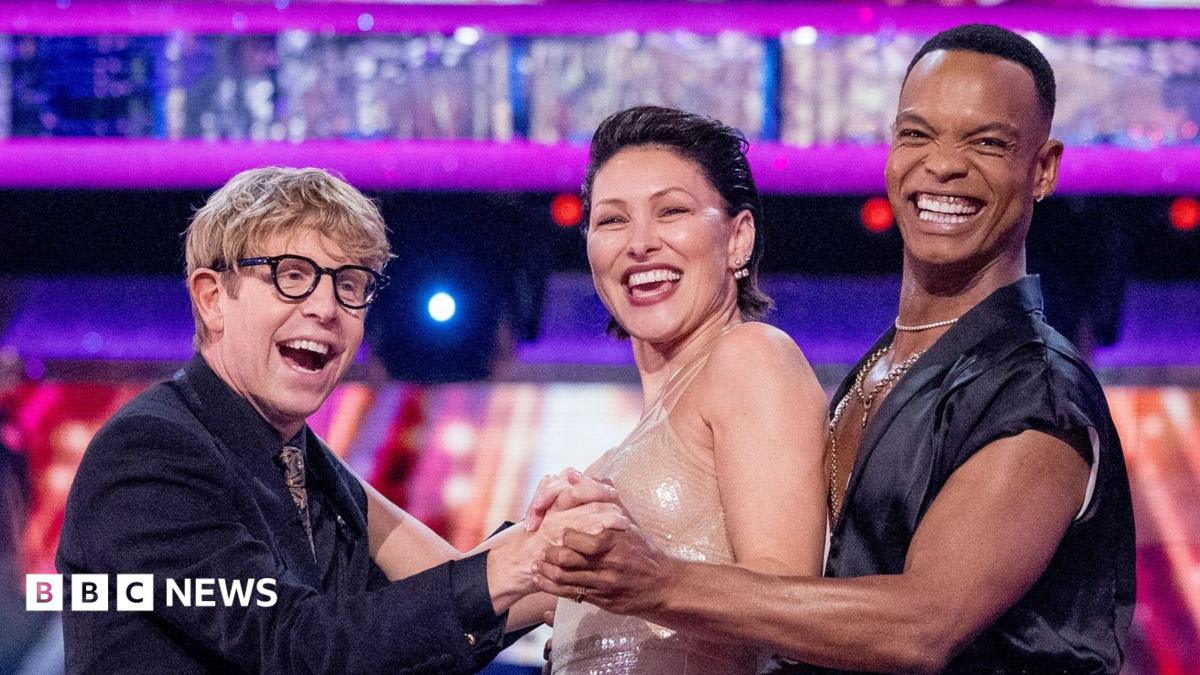
Strictly Come Dancing's new hosting trio—Josh Widdicombe, Emma Willis, and Johannes Radebe—faced a rocky start with mixed reviews and dipping ratings. Despite early friction, critics observe the presenters are gradually finding their rhythm in their new roles.
The Evolution of a Television Institution
Strictly Come Dancing remains a cornerstone of British Saturday night television, commanding a massive audience and a unique cultural footprint. The decision to overhaul the hosting team represents a significant risk for the BBC, as the show’s chemistry is often as vital to its success as the professional dance routines themselves. Transitioning from the long-standing and beloved duo of Tess Daly and Claudia Winkleman to a new, expanded trio of Emma Willis, Johannes Radebe, and Josh Widdicombe was always destined to invite intense public and critical scrutiny.
Navigating the Challenges of Change
The initial reception to the new lineup was undeniably mixed, characterized by a noticeable dip in ratings during the first month of the series. The show’s production team opted for a structural shift, moving from two presenters to three with distinct, assigned roles. This structural adjustment, while intended to freshen the format, inadvertently disrupted the established rhythm that audiences had come to expect over years of consistent delivery. The challenge of re-establishing a cohesive on-screen dynamic while simultaneously adjusting to a larger hosting panel created a period of friction that viewers were quick to identify.
The Dynamics of the New Trio
Each member of the new team brings a distinct energy to the ballroom. Emma Willis provides a seasoned, professional presence often described as 'safe and smooth,' acting as a stabilizing anchor for the broadcast. Johannes Radebe, drawing from his extensive background as a professional dancer, injects the necessary technical authority and flamboyant flair that the format demands. Meanwhile, Josh Widdicombe serves as the 'wildcard' of the group; his background in comedy rather than dance or prime-time hosting makes him the most unconventional choice, representing a deliberate attempt by producers to capture a different demographic.
Critical Reception and Future Stability
Despite the initial turbulence, current critical consensus suggests that the trio is slowly 'finding their feet.' The transition from a two-person dynamic to a three-person ensemble is inherently complex, requiring a delicate balance of airtime and personality. Critics note that the chemistry is beginning to gel as the hosts become more comfortable with their specific responsibilities. This period of growth is essential for the longevity of the series, as the audience needs time to develop an emotional connection with the new faces replacing their predecessors.
Conclusion: Assessing the Long-Term Outlook
While the ratings dip remains a concern for the network, the trajectory of the current series indicates that the 'groove' is being found. The success of Strictly Come Dancing relies on its ability to evolve without alienating its core base. Whether the trio can maintain this momentum and recapture the ratings heights of previous years will depend on their continued ability to harmonize their diverse presenting styles. For now, the show remains in a delicate state of transition, proving that even the most successful formats require constant, and sometimes uncomfortable, recalibration.