Before you crank up the thermostat, try these tips to keep your house warmer for longer
Source Entity
BBC News
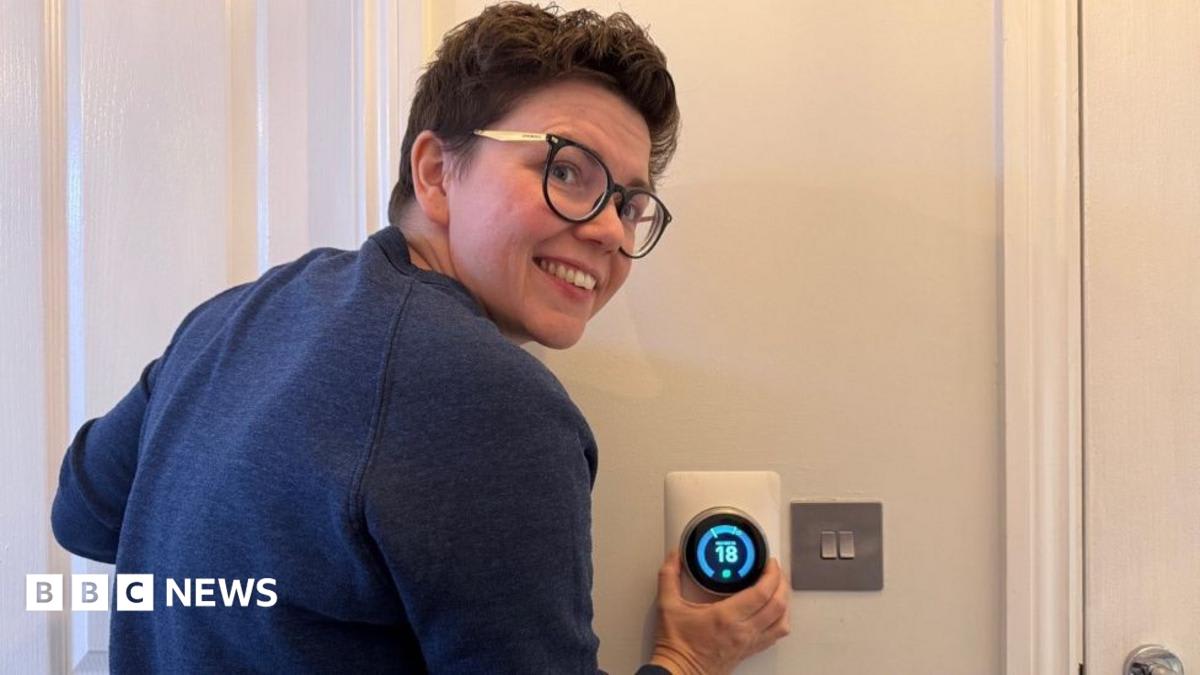
As daylight saving time ends and temperatures drop, homeowners are adopting cost-effective strategies to retain household heat. These methods include using thermal insulation hacks, layering clothing, and following safety protocols for warming bedding.
Preparing for the Seasonal Chill: Practical Home Heating Strategies
As the clocks turn back and autumn deepens into winter, the transition brings a predictable drop in ambient temperatures that necessitates immediate adjustments to household habits. The shift in daylight hours is more than just a chronological change; it serves as a functional signal for homeowners to reinforce their living spaces against the encroaching cold. By implementing low-cost, high-impact strategies, individuals can effectively manage thermal loss without relying solely on expensive heating systems.
Insulation and Draught Management
Effective heat retention begins with sealing the perimeter of one’s home. Simple, DIY solutions such as utilizing draught excluders—often repurposed from household items like socks—can significantly mitigate the infiltration of cold air through door gaps and window frames. Furthermore, traditional wisdom regarding bedding remains highly relevant; placing blankets beneath the mattress or between the mattress and bedsheet acts as an additional thermal barrier, preventing body heat from being sapped by the cold structure of the bed frame.
Maximizing Thermal Efficiency
Beyond structural insulation, behavioral adjustments play a crucial role in maintaining warmth. For instance, leaving the oven door slightly ajar after cooking allows residual heat to circulate into the kitchen area rather than dissipating within the appliance. Additionally, the strategic use of bedding is essential; transitioning to a winter-grade duvet with a tog rating of 10.5 or higher provides the necessary insulation for restful sleep, a practice that remains accessible even on a budget given the availability of affordable options at major retailers.
Safety Protocols for Bed Warming
While the use of traditional items like hot water bottles is a time-honored method for pre-heating a bed, it is imperative to prioritize safety. NHS Scotland provides critical guidance on this practice, emphasizing that water should be allowed to cool for several minutes after boiling to prevent material degradation or accidental scalding. Furthermore, only filling the bottle to two-thirds capacity is a vital safety measure to prevent pressure-related bursts, and users must remain vigilant regarding the expiry dates of these rubber products.
Economic and Lifestyle Implications
Ultimately, these strategies represent a proactive approach to energy efficiency and personal comfort. As the cost of living continues to influence household budgets, the reliance on layering clothing and optimizing existing household resources becomes a sustainable alternative to turning up the thermostat. By combining legacy advice—such as the techniques passed down through generations—with modern safety standards, households can successfully navigate the colder months while maintaining both comfort and financial stability.