Healthcare challenges require collaborative, technology-ledsolutions, says Health Secretary
Source Entity
India Latest News: Top National Headlines Today & Breaking News | The Hindu
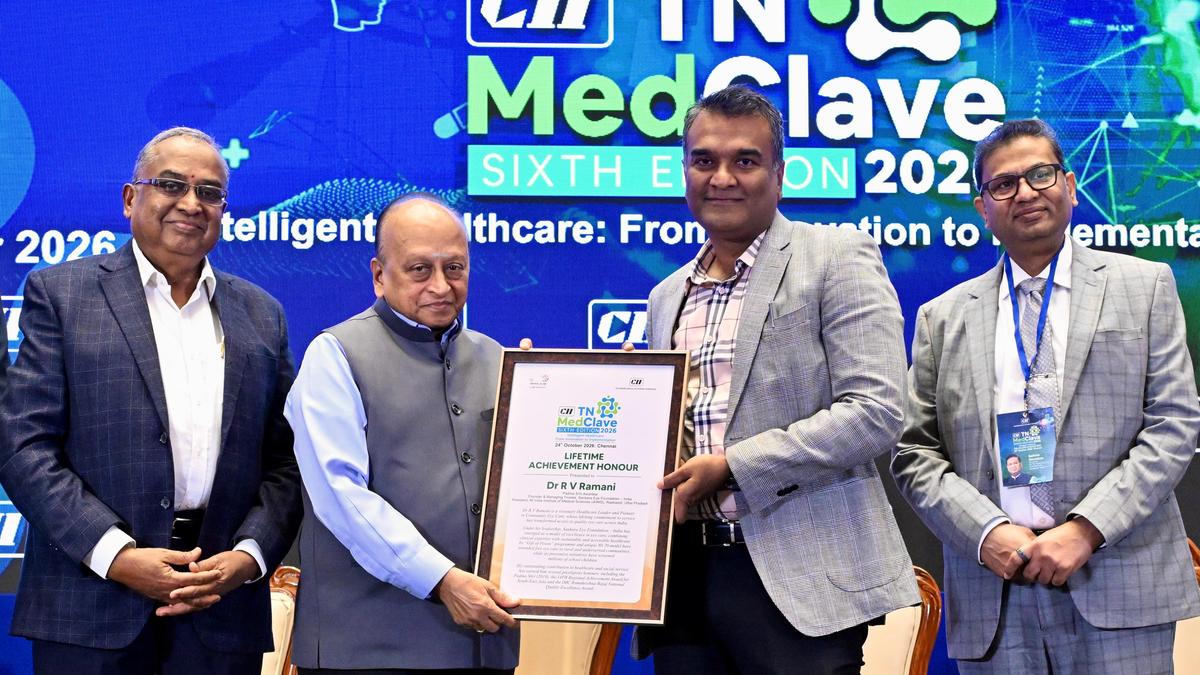
Tamil Nadu Health Secretary Darez Ahamed has called for private-sector collaboration and technology-led innovation to address the rising burden of non-communicable diseases. Speaking at the CII TN MedClave 2026, he emphasized the need to tackle hypertension, diabetes, cancer, and cardiac issues.
Addressing the Future of Public Health in Tamil Nadu
At the recent Confederation of Indian Industry (CII) TN MedClave 2026, Tamil Nadu Health Secretary Darez Ahamed addressed the shifting landscape of regional healthcare. While the state has historically maintained a robust public health infrastructure, particularly in the realms of maternal and child health, the emergence of new, chronic health challenges necessitates a strategic pivot in policy and implementation.
The Shift Toward Non-Communicable Diseases
The core of the discussion centered on the transition from traditional public health concerns to a growing burden of non-communicable diseases (NCDs). Dr. Ahamed identified hypertension, diabetes, cancer, and mental health as the primary drivers of this new wave of morbidity. Cardiac issues, in particular, were singled out as a leading cause of mortality within the state, signaling an urgent requirement for modernized, scalable interventions that can reach a diverse population.
Innovation as a Catalyst for Change
The theme of the event, ‘Intelligent Healthcare: From Innovation to Implementation,’ underscores the government's recognition that traditional models may be insufficient for the scale of current NCD challenges. Technology-led solutions—ranging from telemedicine and data-driven diagnostic tools to AI-powered patient monitoring—are being positioned as the essential bridge between theoretical innovation and practical, community-level implementation.
The Role of Public-Private Partnerships
A pivotal takeaway from the Secretary's address is the necessity of institutional collaboration. By proposing a deepened partnership between the public health system and the private sector, the government aims to leverage industry expertise to bolster existing infrastructure. This synergy is intended to combine the reach of the public health system with the agility and technological assets of private industry, creating a more cohesive and responsive framework.
Future Implications and Strategic Outlook
Looking ahead, the strategy outlined at TN MedClave 2026 suggests a long-term shift toward preventive and predictive healthcare. By integrating advanced technology into the state’s healthcare fabric, Tamil Nadu is positioning itself to not only address current mortality trends but to mitigate the long-term economic and social costs of chronic illness. Success in this endeavor will likely depend on the government's ability to maintain high standards of equitable access while incentivizing private participation in underserved regions.
Conclusion
In summary, the state's proactive acknowledgment of these healthcare challenges marks a significant turning point in public policy. By focusing on collaborative, technology-driven solutions, Tamil Nadu is setting a template for how regional health systems can evolve to meet the complex demands of the 21st century, ensuring that the state remains at the forefront of healthcare excellence in India.
Verification Required?