Tamil Nadu rains: Forest Dept. restricts timings for devotees climbing Parvathamalai hillock in Tiruvannamalai
Source Entity
India Latest News: Top National Headlines Today & Breaking News | The Hindu
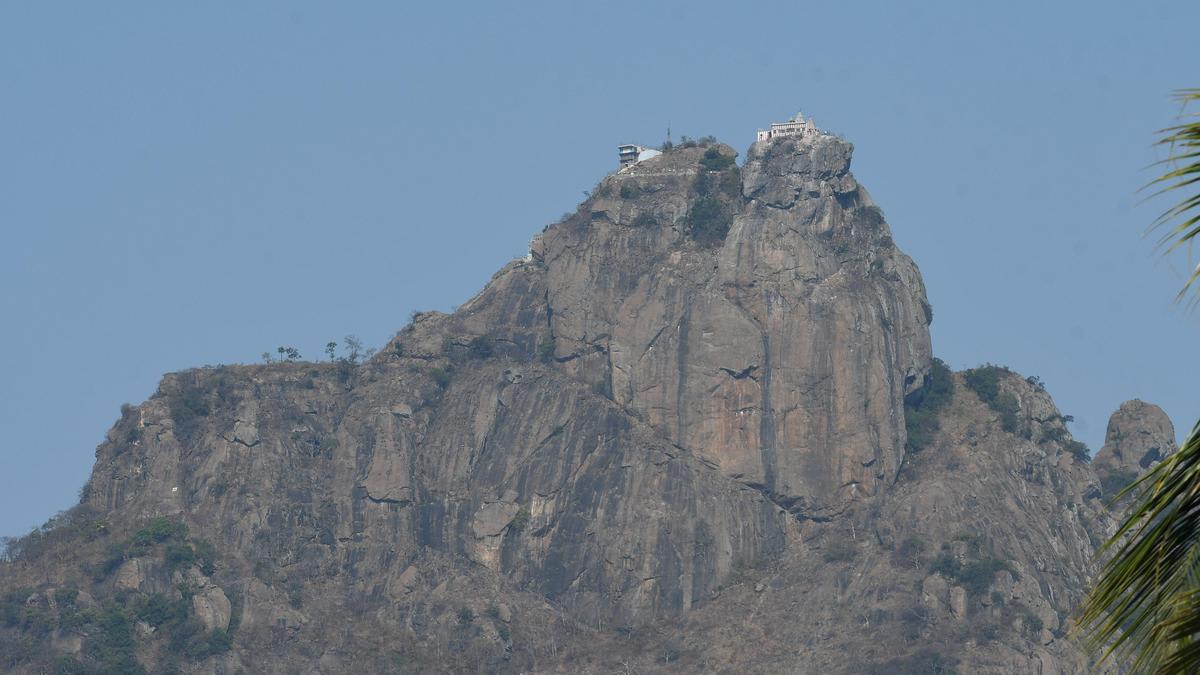
Tiruvannamalai authorities have implemented strict safety measures, including restricted climbing hours at Parvathamalai and temporary shelters for vulnerable families, due to heavy Northeast monsoon rains. These precautions aim to mitigate risks of landslides and accidents in the hilly terrain.
Monsoon Safety Measures in Tiruvannamalai
The onset of the Northeast monsoon has prompted urgent administrative action in the Tiruvannamalai district of Tamil Nadu. Authorities are prioritizing public safety as heavy rains threaten the stability of the region's hilly terrain, specifically impacting the Parvathamalai hillock and the settlements surrounding the Arunachala Hills.
Restrictions at Parvathamalai
The Forest Department has implemented stringent regulations for the 4,560-foot Parvathamalai hillock, home to the Lord Mallikarjuna Swamy temple. Given the high risk of slippery paths following heavy precipitation, officials have restricted climbing hours to between 5:30 a.m. and 1:00 p.m. daily. This window is designed to ensure that pilgrims can complete their ascent and descent during daylight hours, minimizing the danger of accidents in adverse conditions.
Demographic and Health Safeguards
Beyond temporal restrictions, the Forest Department has introduced age and health-based criteria for climbers. Only individuals between 18 and 60 years of age are permitted to ascend the steep terrain. Children, persons with pre-existing illnesses, and those with disabilities are prohibited from the climb. These measures are a direct response to the physical intensity of the four-hour climb, which becomes significantly more perilous when the trail is saturated with rainwater.
Relocation and Emergency Preparedness
The Tiruvannamalai Corporation has shifted focus toward the safety of residents living in the Arunachala Hills. With approximately 6,000 families residing in small settlements on the slopes, the threat of inundation and potential landslides is acute. Civic officials, in collaboration with the Forest, Police, and Revenue Departments, have identified over 1,400 vulnerable families for potential relocation.
Strategic Infrastructure for Disaster Management
To manage this risk, the Corporation has established 10 temporary shelters, primarily utilizing community centers situated at least 500 meters away from the hillside. This spatial buffer is critical for protecting relocated citizens from the immediate impact of localized flooding or debris flow. By formalizing these emergency protocols, the administration aims to balance the needs of local residents with the inherent geographic challenges posed by the monsoon season.
Future Implications and Conclusion
The proactive measures taken by the Tiruvannamalai administration reflect a broader trend in Indian disaster management, where local authorities are increasingly utilizing site-specific data to preemptively restrict access to volatile areas. As extreme weather events become more frequent, the integration of forest safety protocols and urban emergency shelter planning will remain a vital strategy for protecting both pilgrims and local populations in high-risk regions.
Verification Required?