Same Name Appears 10 Times On Voter Roll. 5 UP Poll Officials Get Notices
Source Entity
NDTV News Search Records Found 1000
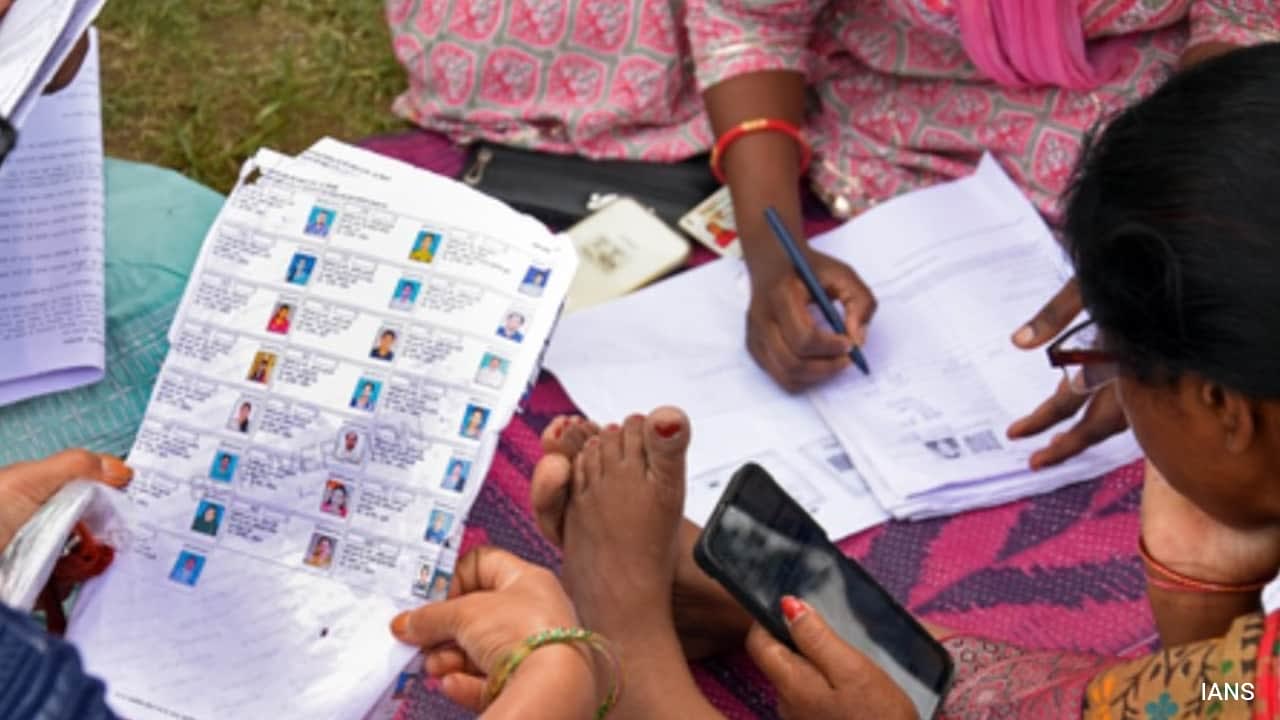
The Uttar Pradesh Chief Electoral Officer has ordered legal action against officials following the discovery of over 10,000 irregularities in the Pilibhit constituency voter list. An investigation revealed unauthorized data entries and identity discrepancies, leading to suspensions and firings.
Integrity Crisis: Voter List Irregularities in Pilibhit
The democratic process in the Pilibhit Assembly Constituency (127) has faced a significant administrative challenge following the discovery of 10,470 irregularities within its electoral rolls. The Uttar Pradesh Chief Electoral Officer (CEO) officially confirmed that discrepancies were widespread, with voters reporting that searching for their specific Electors Photo Identity Card (EPIC) numbers yielded the details of entirely different individuals. This failure in data management undermines the foundational trust required for free and fair elections.
The Scope of Administrative Failure
According to the official inquiry, the scale of the manipulation or negligence is substantial. An investigation into the Pilibhit District Election Office revealed that a computer assistant processed 13,779 applications for voter detail corrections between May 31 and August 29, 2026. Crucially, investigators found that these entries were made without any corresponding physical forms or supporting documentation. The replacement of names—such as substituting 'Faizan Khan' with 'Raees Ali'—suggests an intentional breach of protocol rather than a simple technical glitch.
Accountability and Legal Consequences
In response to these findings, the state authorities have initiated a multi-layered disciplinary process. Legal action has been formally directed against two Electoral Registration Officers (EROs) who were overseeing the constituency at the time of these irregularities. Furthermore, an FIR has been filed by the Assistant District Election Officer against the responsible parties. The computer support staff member identified as the primary operator for these unauthorized entries has had their services terminated, signaling a zero-tolerance policy toward data tampering.
Broader Implications for Election Governance
This incident highlights the vulnerabilities inherent in digitizing electoral rolls. While digital systems are designed to increase efficiency and accessibility, they remain susceptible to human error and deliberate interference if oversight mechanisms are bypassed. The Pilibhit case serves as a stark reminder of the necessity for rigorous verification processes and regular auditing of voter databases. Without stringent checks on the data entry process, the sanctity of the electoral roll—the bedrock of any representative democracy—remains at risk.
Future Trends and Reform
The fallout from the Pilibhit scandal will likely necessitate a nationwide review of standard operating procedures for Voter Registration Centres. Election commissions across India may move toward more robust, multi-factor authentication for data entry and real-time audit trails to ensure that every correction or change to an electoral roll is tethered to verified physical documentation. As India continues to lean into digital governance, the Pilibhit incident serves as a critical case study in the risks of unchecked administrative discretion and the vital importance of institutional accountability.
Multiple Citing Sources
Verification Required?