
The Quantification of Stillness
Rest used to be the absence of effort. Now, it is a project. We don't just sleep; we optimize our sleep hygiene. We don't just take a break; we engage in 'strategic recovery.' This shift represents a systemic migration of productivity logic from the office into the most intimate corners of our biological existence. When we begin to track our REM cycles with the same intensity that a hedge fund manager tracks a portfolio, we have ceased to rest. We have simply shifted the venue of our labor.
Why did this happen? The transition from industrial labor to cognitive labor changed the stakes of downtime. In a factory, productivity was measured by hours on the line. In the knowledge economy, productivity is measured by the quality of cognitive output. Because cognitive performance is volatile and tied to neurological health, rest became a variable that could be engineered. We stopped seeing sleep as a natural rhythm and started seeing it as a fuel source to be maximized for the next day's output (Source: World Economic Forum, 2023).
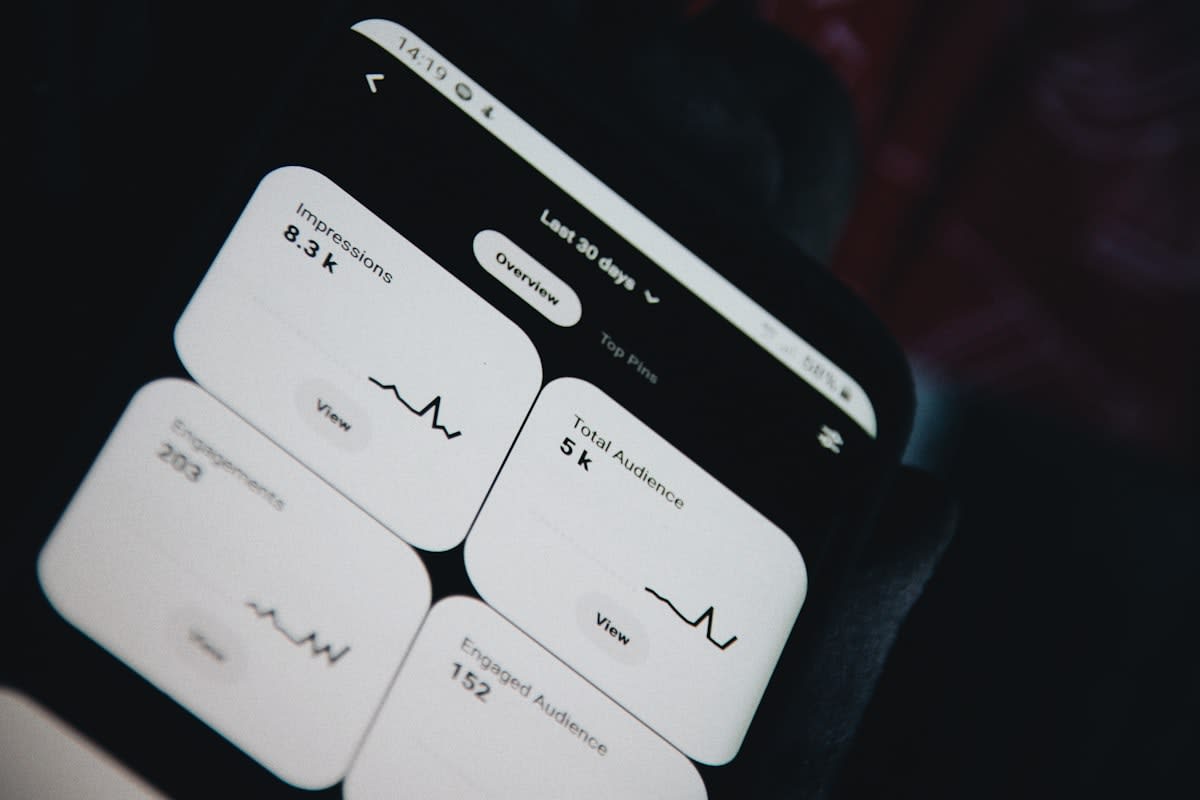
This is not a localized trend. In Tokyo, the cultural concept of 'inemuri'—sleeping while present—has collided with the modern obsession with biometric tracking, creating a tension between social expectation and data-driven health. In San Francisco, the 'biohacking' community treats the human body as a series of bugs to be patched. Across the European Union, the 'Right to Disconnect' legislation attempts to legally enforce the boundary that our devices have already erased. The common thread is a global struggle to reclaim the 'unproductive' hour.
"The danger of the optimization trap is that it creates a feedback loop of anxiety. When a person wakes up feeling refreshed but their wearable device tells them they had 'poor quality sleep,' they often begin to feel tired. The data overrides the lived experience."— Dr. Sarah Jenkins, Sleep Researcher at the Global Health Institute
Does the data actually help us recover, or does it just give us a new way to feel inadequate? This is the central friction of the modern wellness era. We have entered the age of 'orthosomnia'—a term describing the perfectionist pursuit of the ideal sleep score. Instead of sleep being the cure for stress, the pursuit of the perfect sleep score becomes a primary source of stress (Source: Journal of Clinical Sleep Medicine, 2022).
The Practitioner's Friction: Data vs. Intuition
Having spent over a decade consulting for high-performance teams, I've seen this play out in the trenches. The internal debate among performance coaches is fierce. On one side, you have the 'quantifiers' who believe that Heart Rate Variability (HRV) is the only objective truth about recovery. On the other, you have the 'intuitionists' who argue that over-reliance on metrics kills an athlete's or executive's ability to listen to their own body. The real ground-level reality? Most professionals are trapped in the middle, terrified to push themselves if their app says they are 'strained,' even if they feel an unprecedented surge of energy.
This creates a strange psychological dependency. I have watched CEOs defer their decision-making capacity to a wristband. If the 'readiness score' is low, they cancel meetings or lower their expectations for the day. We are effectively outsourcing our somatic intelligence to an algorithm. The debate isn't about whether the data is accurate—it usually is—but about whether the data is useful when it replaces self-awareness.
| Dimension | Traditional Rest | Optimized Rest |
|---|---|---|
| Primary Goal | Recovery and Stillness | Performance Readiness |
| Metric of Success | Subjective feeling of ease | Biometric scores (HRV, REM %) |
| Psychological State | Passive/Surrendered | Active/Monitoring |
| Outcome of 'Failure' | Acceptance of a 'bad night' | Anxiety and corrective action |
The systemic shift here is the commodification of the subconscious. By assigning a value to sleep, we have integrated it into the capitalist framework of 'improvement.' If sleep is a tool for productivity, then sleeping 'inefficiently' is a waste of resources. This logic is insidious because it frames the most basic human need as a skill to be mastered rather than a state to be experienced.
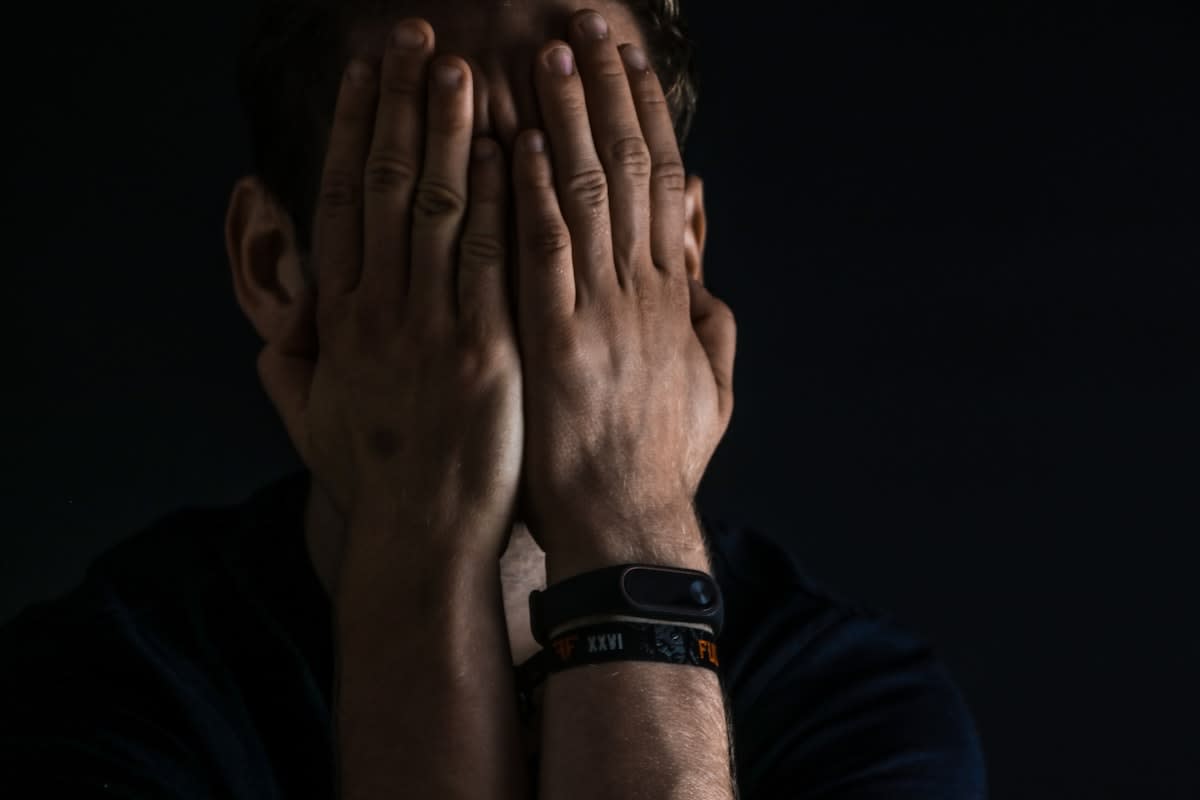
Breaking the Feedback Loop
So, how do we exit the optimization trap without discarding the benefits of modern health science? The answer lies in shifting from 'optimization' to 'sufficiency.' The goal of rest should not be to reach a theoretical maximum of performance, but to reach a state of sustainable health. This requires a conscious decoupling of our value as humans from our biometric output.
- Prioritize subjective feeling over algorithmic scores.
- Implement 'data-free' windows where tracking devices are removed.
- Reframe rest as a non-negotiable right rather than a performance earn.
- Focus on consistency of rhythm rather than the perfection of individual metrics.
The most resilient individuals I've worked with are those who use data as a compass, not a map. They check their metrics to identify long-term trends—such as a gradual decline in HRV that might signal impending burnout—but they ignore the daily fluctuations. They understand that the human body is a biological system, not a machine, and that biological systems require a degree of chaos and unpredictability to remain healthy (Source: WHO Mental Health Guidelines, 2022).
Ultimately, the optimization trap is a symptom of a larger cultural crisis: the inability to be unproductive. In a world that demands constant growth, the act of simply existing—without a goal, without a metric, without a 'hack'—becomes a radical act of rebellion. The true high-performance metric is not the sleep score; it is the ability to turn the tracker off and trust your own body again.
Fact-Check & Accuracy Note
Key claims regarding 'orthosomnia' are sourced from the Journal of Clinical Sleep Medicine (2022). Data regarding the shift in cognitive labor and productivity metrics are based on reports from the World Economic Forum (2023) and WHO guidelines. The debate regarding biometric dependency is an ongoing discourse within the fields of sports psychology and occupational health.