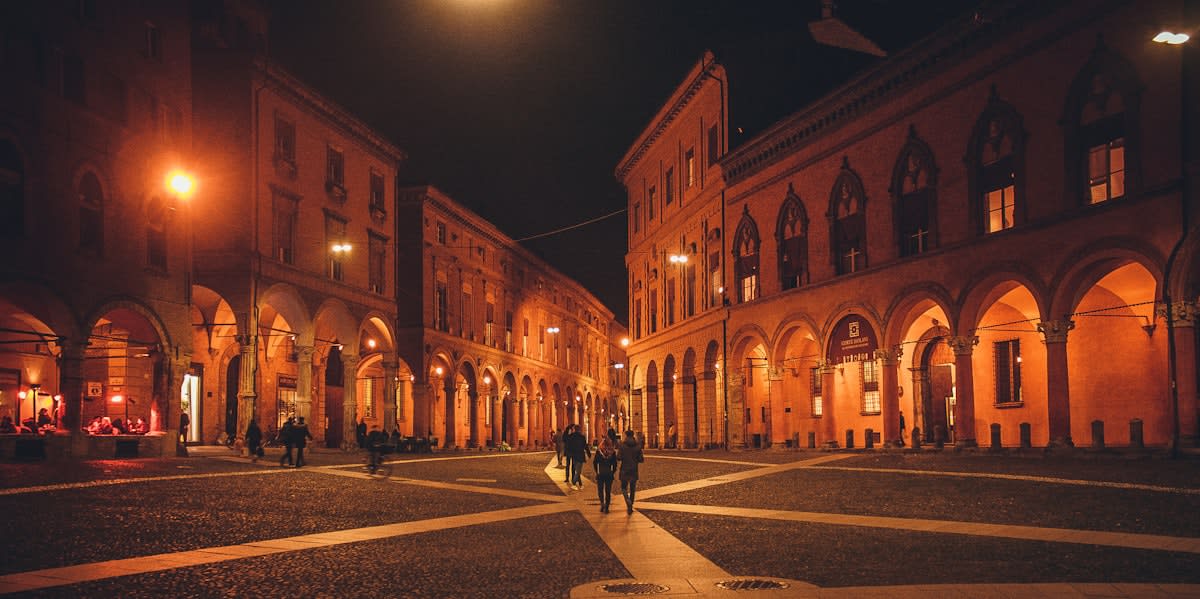
The Geometry of Belonging
For decades, the sociological blueprint of a healthy adult life relied on a triad of spaces: the first place (home), the second place (work), and the third place. This third realm—the cafes, bookstores, pubs, and plazas—served as the neutral ground where social hierarchies dissolved and community bonds formed without the pressure of productivity or domesticity. According to Ray Oldenburg, who coined the term, these spaces are essential for maintaining democracy and individual psychological well-being (Source: The Great Good Place, 1989). But look around any modern metropolitan hub from Singapore to Sao Paulo. The neutral ground is vanishing. What remains are often high-friction environments where presence is contingent on consumption.
We are not simply seeing a change in where we hang out; we are experiencing a fundamental collapse of the low-stakes social interaction. In the past, the third place provided a 'soft entry' into friendship. You didn't need a calendar invite or a shared professional goal to meet someone; you just needed to exist in the same physical proximity over time. Today, that organic friction has been engineered out of our lives. The result is a friendship landscape that is increasingly binary: you are either deeply intimate with a tiny circle of lifelong friends or completely isolated in a sea of digital acquaintances.
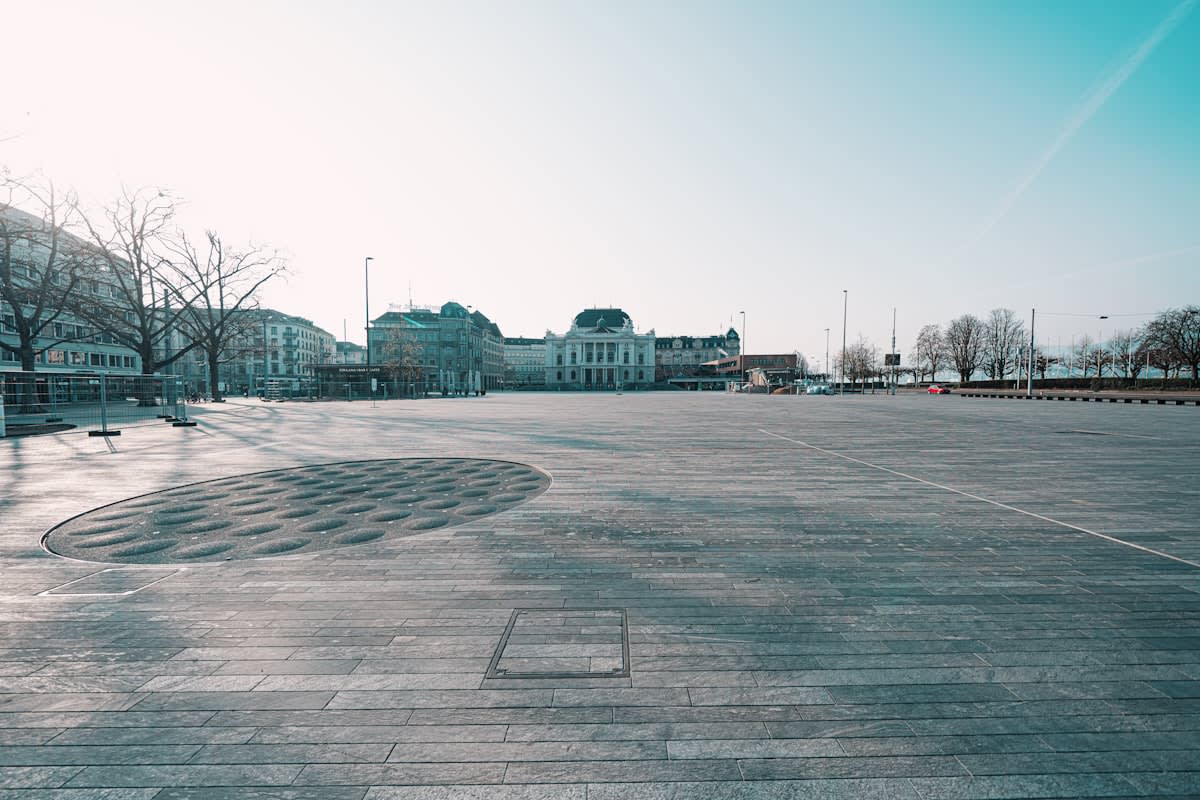
This shift is not an accident. It is the logical conclusion of the 'optimization' of urban space. In cities like London or New York, the cost per square foot has turned every inch of public-facing real estate into a revenue-generating asset. A bookstore that once allowed people to browse for hours without buying a thing is a liability in a high-rent district. When the 'cost of lingering' becomes too high for the proprietor, the third place transforms into a transaction point. You are no longer a regular; you are a customer. The moment the social contract shifts from community membership to a commercial transaction, the psychological safety required for casual friendship evaporates.
The Monetization of Serendipity
The contrarian view is that we haven't actually lost the desire for third places; we've just seen the market capture the impulse. We see the rise of 'membership clubs' and 'coworking spaces'—essentially pay-walled third places. These spaces mimic the aesthetics of community but replace the organic nature of the neighborhood pub with a curated demographic. When you pay a monthly fee to access a social environment, you are not seeking serendipity; you are purchasing a network. This is a systemic shift from social capital based on proximity to social capital based on access.
"The third place is not just a physical location, but a psychological state of being where the individual is freed from the roles of worker and family member to simply be a citizen of their community."— Ray Oldenburg, Sociologist and Author
Consider the global variance in this collapse. In Tokyo, the 'Konbini' (convenience store) serves as a hyper-efficient transaction point, but the traditional 'Izakaya' continues to fight for its role as a social lubricant, despite the crushing pressure of corporate work culture. In the United States, the suburban sprawl of the late 20th century effectively legislated the third place out of existence by mandating car-dependency and zoning residential areas away from commercial hubs. This geographical segregation forced social interaction to become an 'event'—something that must be scheduled in a calendar—rather than a natural byproduct of daily movement.
From a practitioner's perspective in urban planning, the debate isn't about whether third places are 'good'—everyone agrees they are. The friction lies in the 'yield per square foot' metric. When I speak with developers, the conversation is always about 'activation.' They want to 'activate' a plaza, which usually means installing a pop-up retail container or a managed cafe. They mistake activity for community. Real community is often quiet, slow, and economically unproductive. It's the old men playing chess in a park or the teenagers hanging out in a mall corridor. To a developer, that's 'dead space.' To a sociologist, that's where the social fabric is actually woven.
| Feature | Traditional Third Place | Digital Substitute (Discord/Slack) | Premium Third Place (Clubs/Coworking) |
|---|---|---|---|
| Barrier to Entry | Low/None | Low (Invite/Link) | High (Fee/Application) |
| Social Dynamic | Organic/Serendipitous | Interest-Based/Algorithmic | Curated/Professional |
| Economic Model | Low-margin/Community-led | Ad-supported/Free | Subscription/High-margin |
| Primary Function | Belonging | Information/Entertainment | Networking/Status |
This transition has profound implications for adult friendship. When we move our third places to digital platforms, we trade breadth for depth. A Discord server provides an immediate connection to thousands of people with the same niche interest, but it lacks the 'embodied presence' that triggers oxytocin and builds deep trust. The US Surgeon General's 2023 advisory on loneliness highlighted that social isolation is as damaging to health as smoking 15 cigarettes a day (Source: US Surgeon General, 2023). The digital third place is a palliative; it treats the symptom of boredom but fails to cure the disease of isolation.
The Adaptation: Engineering New Rituals
If the systemic shift toward transactional spaces is inevitable, how do adults adapt? We are seeing a rise in 'intentional community' models. This isn't just about communes, but about the creation of micro-rituals that simulate the third place. For example, the surge in 'run clubs' or 'board game nights' across Europe and Asia represents an attempt to re-introduce organic friction into a scheduled life. These are not just hobbies; they are desperate attempts to rebuild the social infrastructure that the city stopped providing.
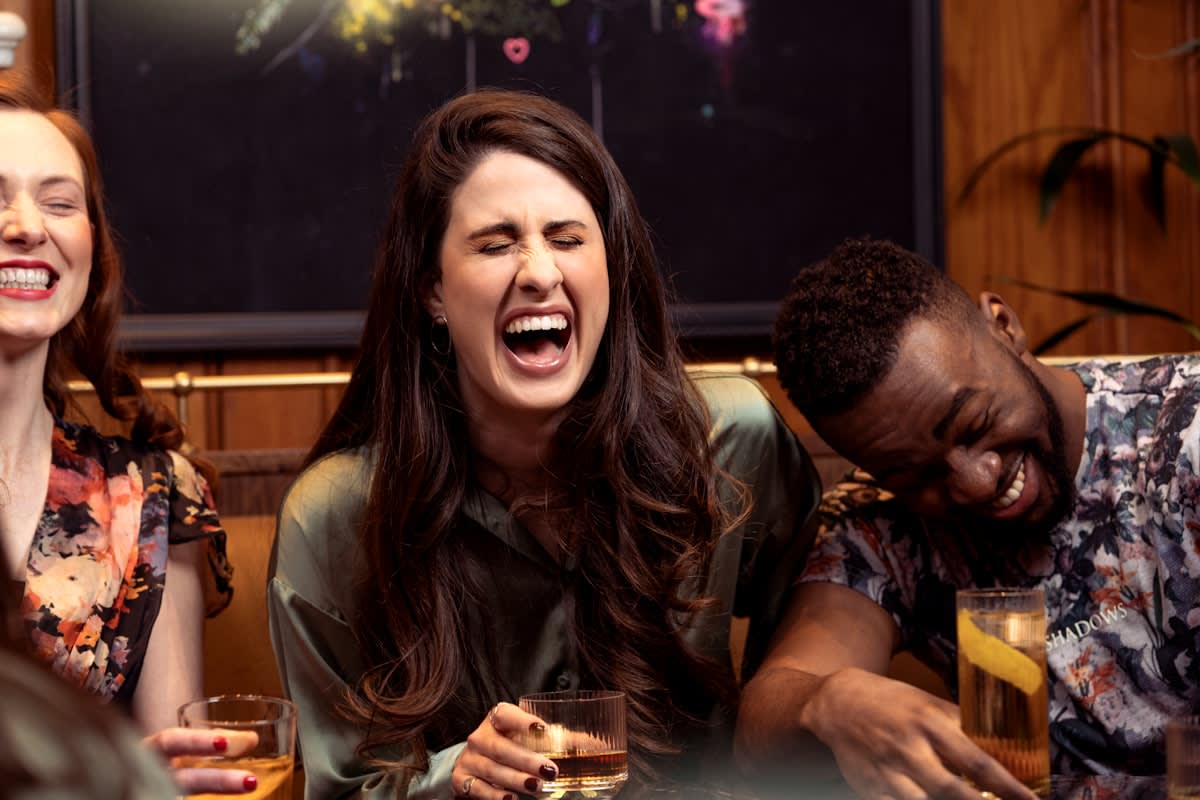
The most resilient friendships in this new era are those that create their own 'portable third places.' Instead of relying on a physical location, people are building shared rhythms—weekly digital syncs, monthly rotating dinners, or shared fitness goals. The burden of community maintenance has shifted from the environment to the individual. In the 1970s, the neighborhood provided the community; in the 2020s, you have to be the architect of your own social ecosystem.
We must ask: what happens to those who lack the social capital or the executive function to architect their own communities? The collapse of the third place disproportionately affects the marginalized. Those who cannot afford a membership club or who don't fit into a curated 'run club' are left with the digital void. This is where the systemic failure becomes a public health crisis. When the 'cheap' ways to be social disappear, loneliness becomes a luxury good.
- The transition from 'proximity-based' to 'interest-based' social circles.
- The replacement of neutral public spaces with high-cost transactional environments.
- The rise of 'digital third places' as a supplement, not a replacement, for physical presence.
- The increasing necessity for individuals to proactively engineer their own social infrastructure.
Fact-Check & Accuracy Note
Key claims regarding the definition of Third Places are based on Ray Oldenburg's foundational sociology (1989). Statistics regarding the health impacts of loneliness are sourced from the US Surgeon General's 2023 Advisory. The analysis of urban 'non-places' draws upon Marc Augé's theories of anthropology. There is ongoing debate among urbanists regarding whether digital spaces can ever truly function as 'Third Places' due to the lack of physical embodiment.