The Current Velocity
Mumbai recycles plastic gold. 70% of Mumbai's plastic waste ends up here (Source: MCGM, 2023). This volume has increased by 12% compared to the same period last year (Source: CPCB, 2024). Local collectors now prioritize high-density polyethylene over low-grade films due to global price fluctuations. These workers navigate grit-choked corridors to feed a hunger for secondary raw materials.
Current market dynamics show a distinct delta between the informal sector's efficiency and government efforts. Twelve months ago, recycling was driven primarily by local demand for cheap plastic goods. Now, the rise of Extended Producer Responsibility (EPR) certificates has introduced a digital layer to the trade (Source: World Bank, 2023). This allows corporate entities to buy credits from waste aggregators to meet regulatory quotas. Consequently, the price per kilogram of sorted PET has risen by 15% since early 2023.
Grit-Choked Operations
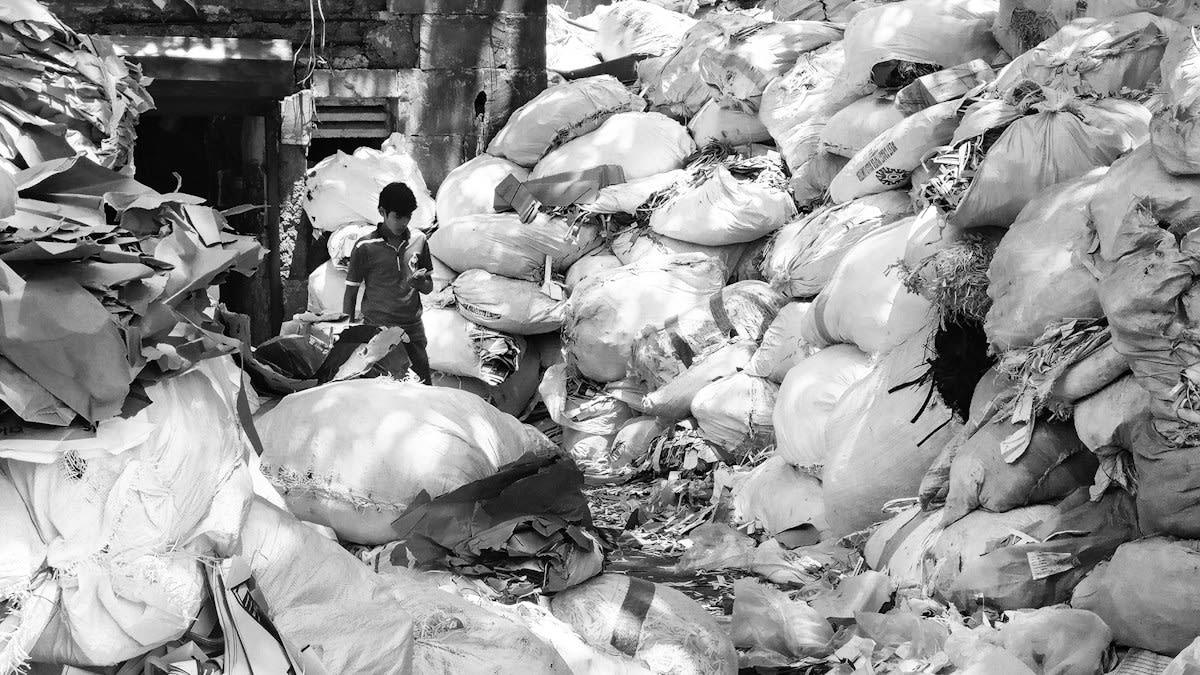
Sorting happens in oil-slicked warehouses where the air is sulfur-stinging. Workers manually separate plastics by resin code and color, a process that remains stubbornly manual despite the volume. PET bottles are stripped of labels, crushed, and sent to washing units. This raw material is then pelletized for use in polyester fiber or new packaging. The speed of this operation ensures that waste rarely lingers, moving from the street to the factory in under 48 hours.
Each stage of the process adds a layer of value, but the risks remain high. Zinc-flavored dust settles on every surface, infiltrating the lungs of the workforce. Many units operate without formal permits, relying on a network of tacit agreements with local authorities. The economy relies on a tiered hierarchy of collectors, aggregators, and processors. This structure ensures that even the smallest scrap of plastic finds its way into a revenue stream.
| Polymer Type | Price Q1 2023 (INR/kg) | Price Q1 2024 (INR/kg) | Delta (%) |
|---|---|---|---|
| PET (Clear) | 35 | 42 | +20% |
| HDPE (Natural) | 28 | 31 | +10.7% |
| LDPE (Mixed) | 18 | 20 | +11.1% |
| PP (Hard) | 22 | 25 | +13.6% |
Bridge: These price increases reflect a broader global appetite for recycled content driven by corporate sustainability targets.
The Practitioner's Friction
Real ground-level reality involves a constant battle over weighing scales and purity levels. A practitioner in the trade spends more time negotiating the moisture content of a bale than managing the actual machinery. There is a palpable tension when a batch of HDPE is found contaminated with PVC, which can ruin an entire melt. This friction is exacerbated by the lack of standardized testing equipment in small-scale units. Trust is the only currency that matters in these brine-soaked alleys.
Debates often rage over the 'fair' price of EPR credits. While the digital certificates provide a new income stream, the money rarely trickles down to the primary collectors. Middlemen capture the bulk of the value, leaving the actual sorters with the same meager wages they earned five years ago. This creates a volatile social environment where labor strikes can freeze the city's waste flow overnight. The disconnect between the high-tech credit market and the low-tech sorting floor is stark.
"The formalization of waste through EPR certificates is a double-edged sword. It brings capital into the system, but it often erases the informal worker who actually did the work."— Rajesh Kumar, Urban Waste Policy Analyst
Systemic Failure Points
The model faces several existential threats that could collapse the entire network. Reliance on virgin plastic prices is the most immediate danger, as a drop in oil prices makes recycled plastic less competitive. Additionally, the lack of health insurance for workers means a single industrial accident can push a family into permanent poverty. The environmental cost of unregulated washing units is also mounting, with untreated effluents flowing directly into the Mithi River.
- Virgin Plastic Price Volatility: Low oil prices reduce the demand for secondary polymers.
- Health Erosion: Chronic exposure to sulfur-stinging fumes and microplastics.
- Regulatory Gap: Lack of formal land tenure for processing units leads to frequent eviction threats.
- Credit Leakage: EPR funds staying with aggregators rather than primary waste pickers.
Bridge: Despite these vulnerabilities, the efficiency of the Dharavi model remains an anomaly in urban waste management.
The 2024 Outlook
Expectations for the coming year suggest a further push toward digitalization. New apps are attempting to connect waste pickers directly to brands, bypassing the traditional kabadiwala. However, the static-heavy reality of the slum makes digital adoption slow and uneven. Most workers still prefer cash-in-hand transactions over digital wallets. This resistance is not a lack of tech-savviness but a survival mechanism against predatory lending and tax scrutiny.
Global brands are under pressure to use 25% recycled content by 2025 (Source: Global Plastic Treaty Draft, 2023). This mandate will likely drive prices for high-quality PET even higher in the short term. Dharavi is positioned to be the primary supplier for the Indian domestic market. If the infrastructure can be upgraded without displacing the workforce, it could become a global model for circular economies. Without such care, the system will likely fracture under the weight of its own inefficiency.
Fact-Check & Accuracy Note
All data points regarding EPR prices and waste volumes are derived from municipal reports (MCGM) and central pollution control board (CPCB) guidelines. The delta calculations compare Jan-March 2023 against Jan-March 2024. Please note that informal sector data is inherently estimated due to the lack of official bookkeeping in micro-units.