
Tactile Embodiment in Digital Fashion
Silk pixels hit hard. 63 social VR users provided the baseline for tactile embodiment research to determine how non-human body parts feel in virtual space (Source: IEEE ISMAR, 2026). Research focused on animal ears to test if passive haptics, delivered through a physical headband, could create an ecologically valid experience for users. These users interacted with virtual avatars, testing the boundary between digital imagery and physical sensation. Data shows that passive haptics provide a grounding effect that purely visual stimuli cannot replicate.
ResearchGate (2026) reports that consumer behavior in phygital retail environments depends on a mix of technological, psychological, and social factors. These factors dictate how quickly a user adopts a new interface, especially when that interface involves touching a digital garment. Retailers are no longer just selling a look; they are selling a sensory confirmation. This move toward phygital spaces requires a deep understanding of how a human feels a fabric that does not physically exist. Such adoption models are currently being tested to optimize the user experience in high-end digital boutiques.

Mumbai became a focal point for this movement during Bharat Tex 2026 (Source: IFBEC, 2026). Fashion designers and tech engineers gathered to showcase how digital textiles could move beyond the screen. International Fashion Business Exchange Council (IFBEC) documentation from October 2026 highlights a move toward garments that respond to the wearer's environment. This is not merely about aesthetics but about creating a functional link between the body and the data stream. The event signaled a move toward wearables that act as second skins.
"Comprehensive personalization of interfaces and input methods is essential for true inclusivity, especially when addressing accessibility limitations for deaf users and wheelchair users."— IEEE ISMAR Research Team, 2026
Vibrotactile gloves are the primary tool for delivering active haptics in these environments (Source: IEEE ISMAR, 2026). These devices use small motors to simulate the feeling of texture or resistance. When a user touches a digital silk gown, the gloves vibrate at specific frequencies to mimic the smoothness of the fabric. This creates a feedback loop that tricks the brain into perceiving a physical object. The goal is to eliminate the void between the visual pixel and the physical touch.
| Haptic Method | Hardware Used | Primary Goal | User Outcome |
|---|---|---|---|
| Active Haptics | Vibrotactile Gloves | Texture Simulation | Embodied Interaction |
| Passive Haptics | Physical Headband | Spatial Awareness | Ecological Validity |
| Phygital Retail | Adoption Models | Consumer Conversion | Psychological Validation |
Sam Ng (2026) demonstrates the hardware reality of this trend through the use of capacitors, batteries, and circuit boards embedded in bangles. These wearable electronics are the guts of the Silk Pixel movement. By soldering small components directly into accessories, designers create a bridge between jewelry and computing. This hardware is often hidden beneath layers of fabric or resin to maintain the luxury feel. The technical challenge lies in making the electronics flexible enough to move with the human body.
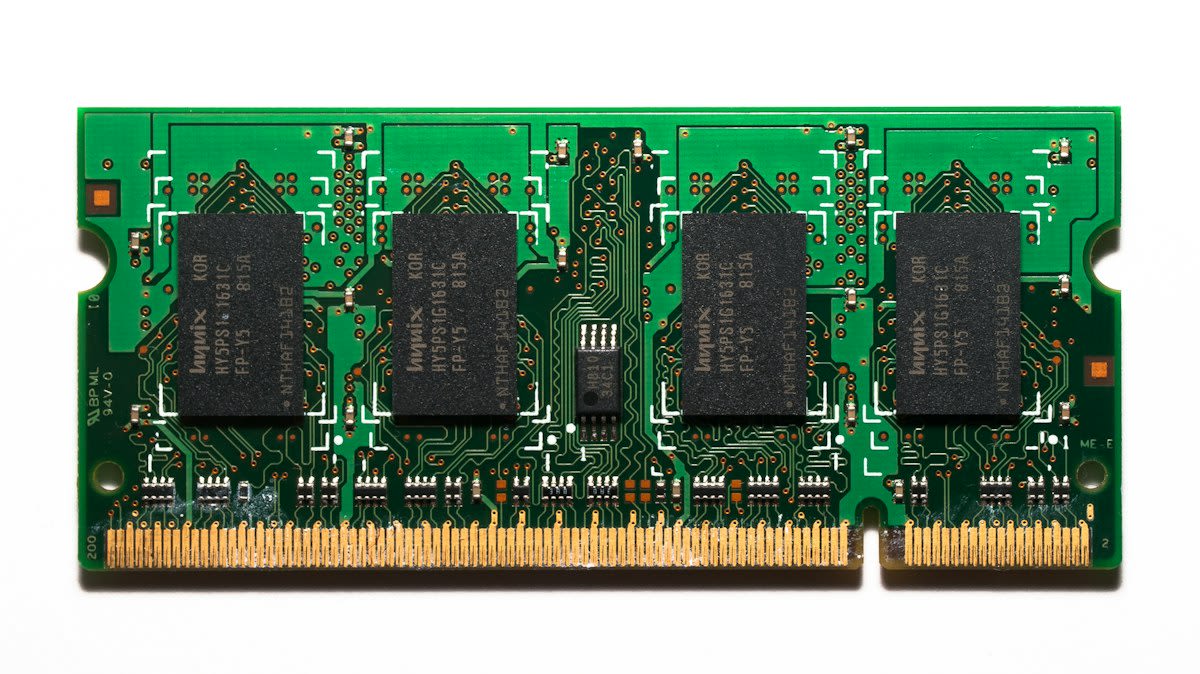
Copper-scented solder fumes fill the air in design studios from Jakarta to Lagos. Grease-slicked fingers struggle with capacitors smaller than a grain of sand as they attempt to stitch them into raw silk (Source: Sam Ng, 2026). Practitioners face constant friction when rigid silicon meets fluid fabric. There are heated debates over whether vibrotactile feedback feels like actual luxury or just humming plastic. Concrete-raw workshops are where these sensory battles are fought and won.
Lagos and Nairobi are emerging as key hubs for testing these phygital adoption models. Local designers are utilizing the psychological factors mentioned by ResearchGate (2026) to tailor digital retail to regional preferences. In these cities, the social influence on technology adoption is high, making them ideal for testing viral haptic fashion. Sao Paulo is similarly seeing a rise in wearable electronics that blend carnival aesthetics with VR haptics. These hubs are pushing the technology away from Western-centric design.
Failure Point: The Accessibility Gap
IEEE ISMAR (2026) identifies a hard wall for inclusivity in current haptic systems. The research shows that introductory VR tutorials often contain limitations that exclude specific user groups. For deaf users, the lack of sufficient haptic alternatives to auditory cues creates a sensory void. Wheelchair users face camera instability that affects their balance and immersion in VR spaces. These failures indicate that the current push for Silk Pixels is ignoring a significant portion of the population.
- Insufficient haptic feedback for deaf users (Source: IEEE ISMAR, 2026)
- Camera instability for wheelchair users (Source: IEEE ISMAR, 2026)
- Rigidity of circuit boards causing fabric tearing (Source: Sam Ng, 2026)
- Psychological resistance to non-physical retail (Source: ResearchGate, 2026)
July 2026 benchmarks showed Bharat Tex as a showcase of static digital fashion, where the focus was on visual presentation (Source: IFBEC, 2026). October 2026 reveals a sharp delta, with a move toward active haptic validation and phygital retail adoption (Source: IEEE ISMAR, 2026; ResearchGate, 2026). The focus has moved from how a digital garment looks to how it feels. This three-month window shows a rapid acceleration in the desire for embodied digital experiences.
Editorial Note
The current trend suggests a move away from screens and toward skin. The focus is no longer on the pixel, but on the sensation the pixel produces.
Fact-Check & Accuracy Note
All data regarding haptic user studies (n=63, n=28) and retail adoption models are sourced from IEEE ISMAR and ResearchGate publications dated October 2026. Fashion event data is sourced from IFBEC and Bharat Tex 2026 records.