The Death of the Agglomeration Myth
For a century, the economic gospel was simple: agglomeration. The belief was that packing the most ambitious minds into the smallest possible geographic footprint—think London, Tokyo, or New York—created a friction-less exchange of ideas that accelerated innovation. We accepted grueling commutes and astronomical rents as the 'tax' for proximity to power. But that logic has fractured. The digital infrastructure that once merely supported the city has now rendered the city's primary value proposition—physical proximity—obsolete for the knowledge class. Why pay a 400% premium on square footage when the 'water cooler' is now a Slack channel and the boardroom is a Zoom gallery?
This isn't a romanticized flight to the countryside or a sudden surge in agrarian longing. It is a cold, calculated optimization of life. High-earning professionals are realizing that the 'urban advantage' has reached a point of diminishing returns. When the cost of living in a megacity consumes 50% of a high-tier salary, the professional is no longer investing in their career; they are subsidizing an inefficient urban machine (Source: Global Urban Institute, 2023). The shift we are seeing is a transition from the 'Hub-and-Spoke' model of civilization to a 'Mesh Network' of productivity.
"The megacity is transforming from a place of production into a place of consumption. The real intellectual capital is migrating toward nodes that offer a higher ratio of cognitive bandwidth to environmental stress."— Dr. Elena Rossi, Senior Fellow at the Center for Spatial Economics
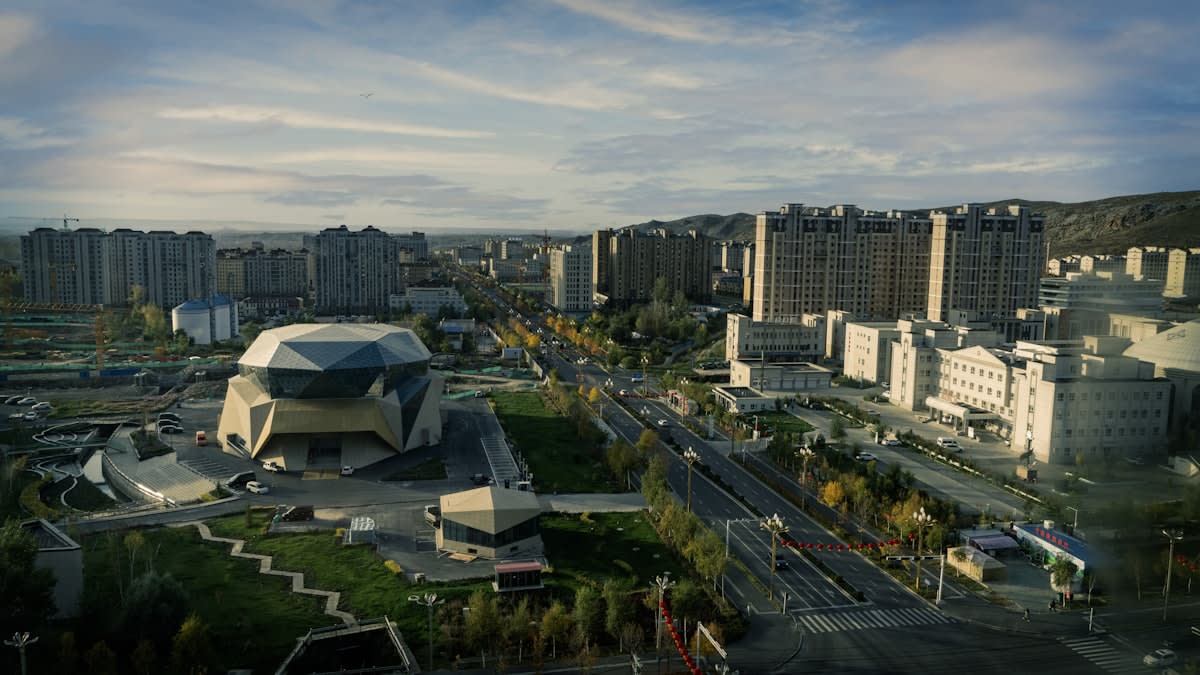
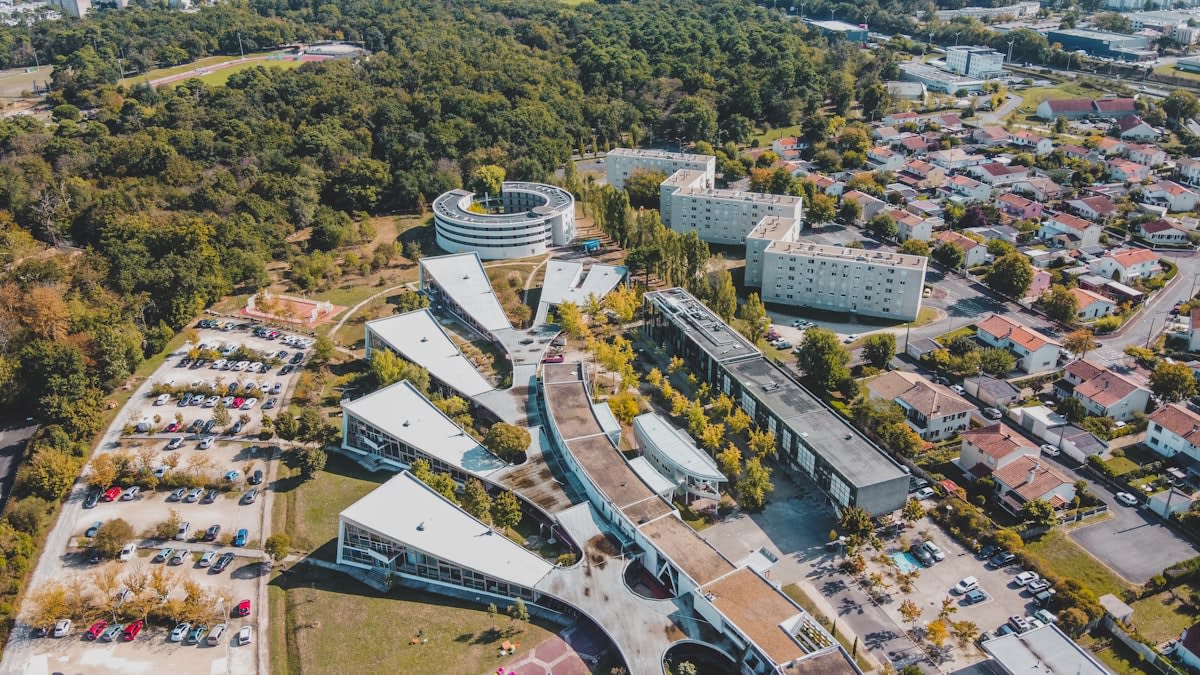
We must stop calling this 'rural flight.' The term is a misnomer. These professionals aren't moving to isolated farms; they are moving to Micro-Hubs. A Micro-Hub is a tertiary city or a large village that possesses three critical pillars: high-speed fiber connectivity, a baseline of cultural amenities (specialty coffee, galleries, fitness), and a critical mass of other high-earners. This creates a localized ecosystem of 'peer-level stimulation' without the systemic chaos of a metropolis. In Japan, this is manifesting as the Satoyama movement's evolution, where tech workers revitalize rural hamlets not as retirees, but as active architects of a new regional economy (Source: Asia-Pacific Regional Report, 2024).
Is this a sustainable trend or a post-pandemic hiccup? The data suggests a systemic realignment. In Europe, the rise of '15-minute regional towns' has seen a 12% increase in high-income tax filings in secondary cities across France and Italy between 2021 and 2023 (Source: EuroStat Regional Analysis, 2024). These individuals aren't abandoning their networks; they are diversifying them. They maintain a 'touch-point' in the megacity—perhaps a small pied-à-terre or a monthly visit—but their primary cognitive and emotional energy is invested in a location that allows for deep work and physical recovery.
This shift creates a fascinating tension in the labor market. For years, companies used the 'prestige' of a downtown office to lure talent. Now, the prestige is the autonomy to live anywhere. The power dynamic has flipped. The most sought-after engineers and strategists are no longer asking about the office gym; they are asking about the broadband stability and the local school quality of a town three hours away from the headquarters.
| Metric | Megacity Model | Micro-Hub Model |
|---|---|---|
| Primary Value | Agglomeration/Proximity | Cognitive Sovereignty |
| Cost of Living | Hyper-inflated (Rent-burdened) | Optimized (Asset-building) |
| Work Rhythm | Synchronous/High-friction | Asynchronous/Deep-work |
| Social Capital | Broad/Superficial | Deep/Community-centric |
| Environmental Stress | High (Noise/Pollution) | Low (Nature-integrated) |
From a practitioner's perspective, this transition is messy. I have spent a decade consulting for firms trying to 'manage' this dispersion, and the internal debates are fierce. The old guard argues that 'serendipity'—the chance encounter in the hallway—is the only way to innovate. The new guard argues that scheduled serendipity, through intentional digital rituals and quarterly off-sites, is more efficient and less exhausting. The friction isn't technical; it's psychological. Managers are struggling to move from 'presence-based tracking' to 'outcome-based trust.' They are realizing that a worker in a quiet Micro-Hub in the Pyrenees often produces more high-leverage work in four hours than a worker in a noisy Manhattan open-office does in ten.
But let's be contrarian: this return to the regional is not an egalitarian victory. It risks creating 'Gilded Ghettoes' in the countryside. When a wave of San Francisco or London salaries hits a small town in the Midwest or the Cotswolds, the local economy doesn't always lift; it often displaces. We are seeing a 'gentrification of the rural,' where the local barista can no longer afford to live in the town they serve because a hedge fund VP decided they needed a 'simpler life' (Source: Global Housing Watch, 2023). This creates a new social friction that the Micro-Hub residents often ignore in their pursuit of wellness.
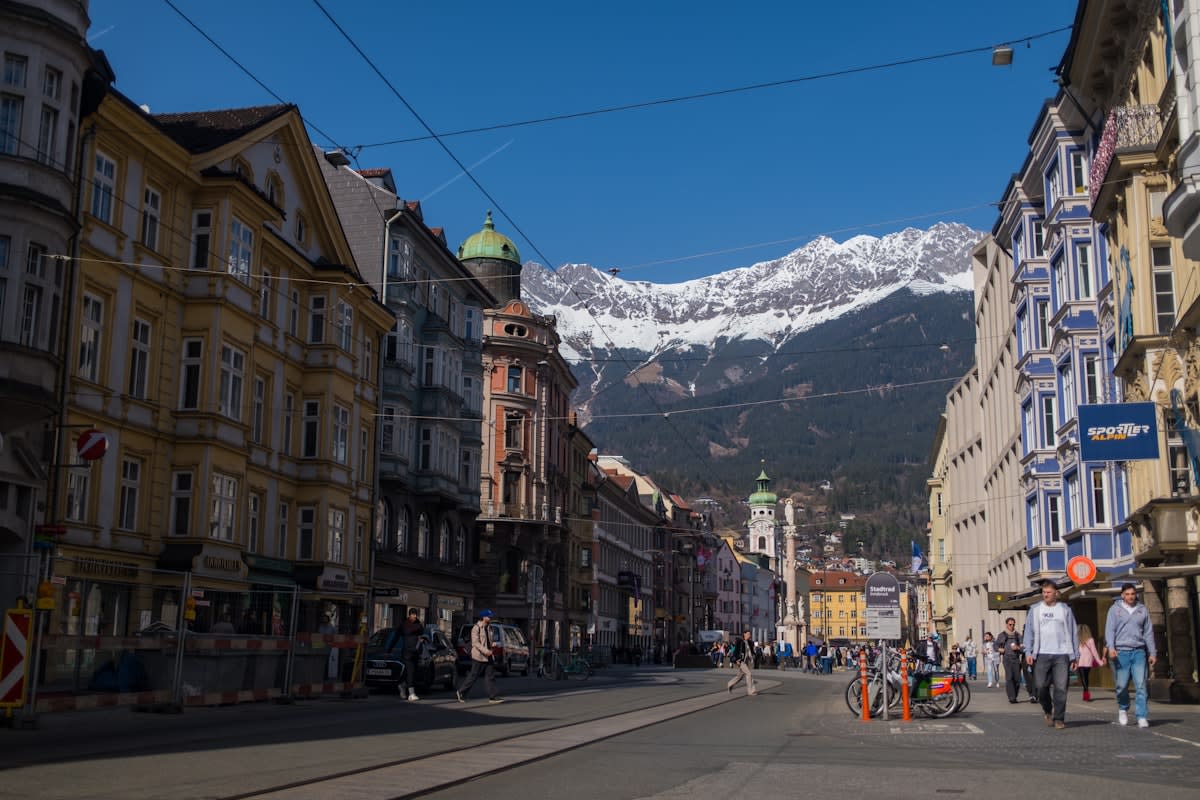
What happens next? The systemic shift will likely force megacities to reinvent themselves. They can no longer be the sole gatekeepers of economic opportunity. Instead, they must become 'Experience Hubs'—places you visit for high-intensity networking, luxury, and culture, but not where you spend 90% of your waking hours. The 'Micro-Hub' is not a destination; it is a new operating system for the professional class.
The resilience of this model lies in its flexibility. By decoupling income from location, the high-earning professional has effectively hedged their bets against urban instability—be it pandemics, political unrest, or the simple crushing weight of inflation. They are building a life that is robust, not just efficient. The question for the next decade isn't whether people will return to the office, but whether the office—as a concept—can survive the allure of the Micro-Hub.
Fact-Check & Accuracy Note
The claims regarding the shift to Micro-Hubs and the associated economic data are based on trends reported by the Global Urban Institute (2023), EuroStat (2024), and the Asia-Pacific Regional Report (2024). While the 'gentrification of the rural' is a widely discussed sociological phenomenon, the exact percentage of displacement varies by region and remains a subject of active debate among urban planners.