102-year-old mall retailer quietly closes 25 stores
Source Entity
Yahoo Finance
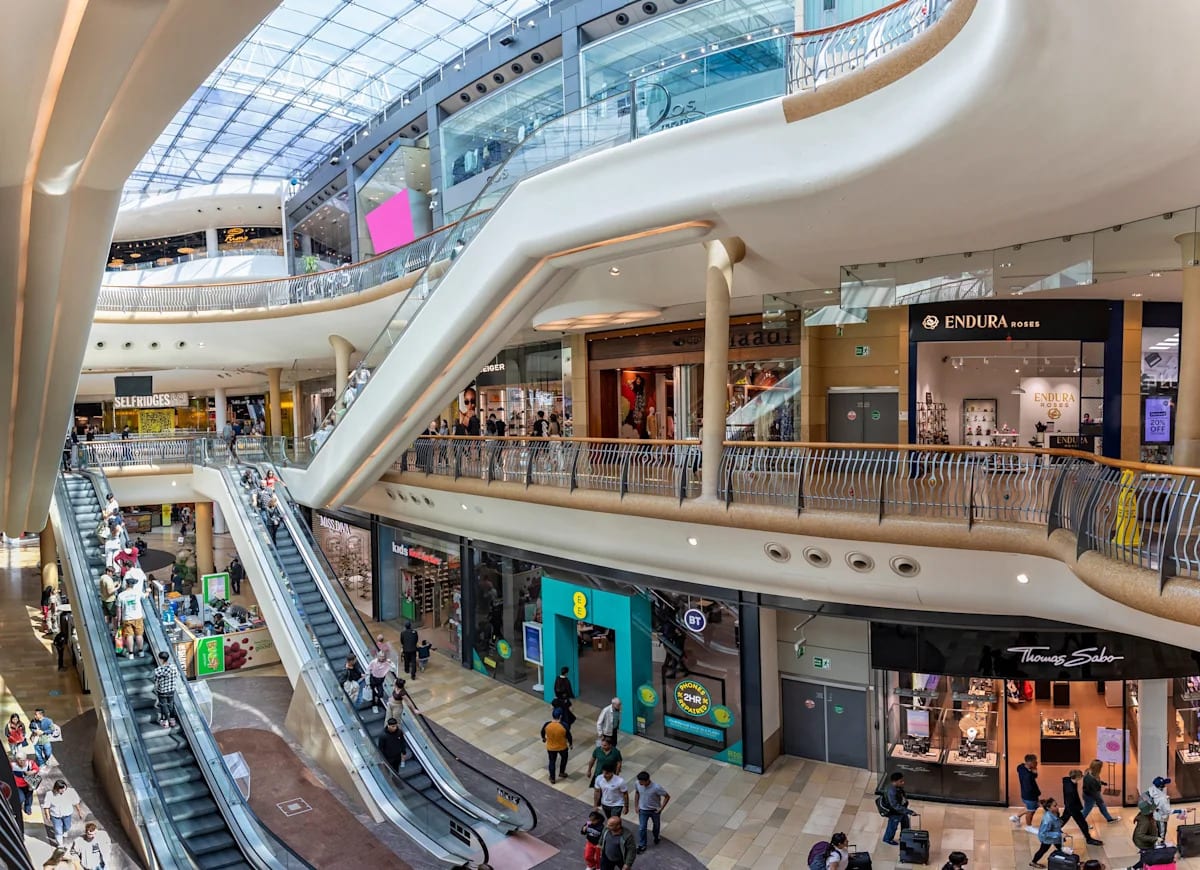
A long-standing 102-year-old retail chain has shuttered 25 locations in three months as part of a broader industry shift. Despite rising mall foot traffic, retailers are increasingly favoring open-air centers and e-commerce over traditional indoor mall footprints.
The Decline of the Traditional Mall Anchor
The retail landscape is undergoing a profound structural transformation as a 102-year-old mall institution has quietly closed 25 stores over the past three months. This move highlights a growing trend among legacy retailers who are finding that the traditional indoor mall model, once the cornerstone of American commerce, no longer aligns with their long-term operational goals or modern consumer habits.
The Paradox of Foot Traffic
Interestingly, this wave of closures comes despite counterintuitive data from Placer.ai in July 2026, which indicated that foot traffic across all three primary mall formats actually grew on a year-over-year basis. This data suggests that while the physical presence of shoppers in malls is not necessarily disappearing, the profitability and relevance of specific legacy brands within those spaces are clearly waning.
Strategic Pivot to Open-Air Centers
Many retailers are choosing not to renew their mall leases in favor of open-air shopping centers. These outdoor retail hubs have consistently outperformed traditional enclosed malls in recent years, offering consumers a more convenient, accessible, and modern shopping experience. By migrating to these locations, companies can lower overhead costs while appealing to shoppers who prefer the 'curbside' convenience of open-air layouts.
Digital Transformation and Brand Contraction
Beyond the physical relocation to open-air centers, there is a clear trend toward digital-first strategies. Brands like Vera Bradley, which has reduced its mall footprint by 43%, and the Fossil Group, which closed 219 stores over five years, serve as benchmarks for this contraction. These companies are effectively reallocating capital from expensive, long-term mall leases toward strengthening their online presence and direct-to-consumer digital platforms.
Future Trends in Retail
Looking ahead, the retail sector will likely continue to see a 'flight to quality' and a reduction in total physical square footage. The era of the mass-market, mall-anchored brand is evolving into a more agile, hybrid model where physical stores serve as showrooms or fulfillment nodes rather than high-density sales floors. As retailers prioritize efficiency, the traditional mall will continue to face pressure to reinvent its value proposition to keep legacy tenants from departing permanently.