These 16 states are offering tax-free shopping days as back-to-school costs soar to over $800 per student
Source Entity
Genna Contino
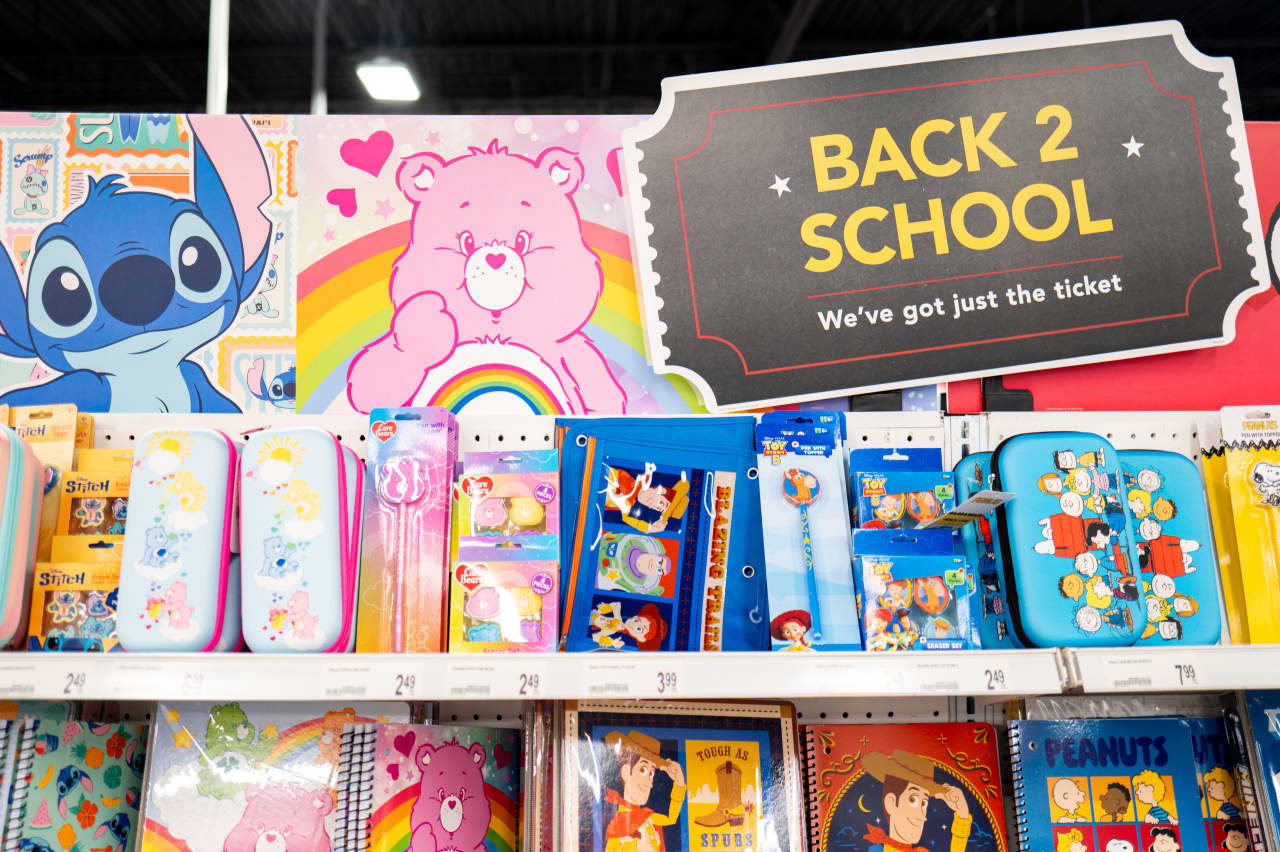
Sixteen U.S. states are implementing tax-free shopping holidays to help families manage rising back-to-school costs. With expenses exceeding $800 per student, these tax breaks provide essential relief against ongoing inflationary pressures.
The Economic Landscape of Back-to-School Spending
As the academic year approaches, American families are facing a challenging economic environment characterized by persistent inflationary pressures. The cost of essential school supplies, electronics, and apparel has surged, with average per-student expenditures now eclipsing the $800 threshold. This financial burden is forcing households to re-evaluate their annual budgets and seek strategic ways to mitigate the impact of rising prices on their bottom lines.
The Strategic Role of Tax-Free Holidays
In response to these mounting costs, 16 states have introduced designated tax-free shopping days. These initiatives function as a targeted fiscal policy tool, effectively lowering the retail price of school-related goods by removing state sales tax for a limited period. By incentivizing consumers to complete their shopping during these specific windows, states are not only providing direct relief to constituents but also stimulating local retail activity during a critical pre-academic cycle.
Inflation and Consumer Behavior
Inflation remains a primary driver of current consumer behavior, as the purchasing power of the average household has been significantly strained over the past year. The decision by these 16 states to waive sales tax acknowledges the reality that education-related expenses are non-discretionary. Families are increasingly shifting their shopping habits toward discount retailers and high-volume sales events, making the tax-free holiday an essential component of their broader cost-saving strategies.
Broader Economic Implications
While these tax holidays offer immediate relief, they also highlight the delicate balance states must maintain between providing tax relief and managing public revenue. For the average family, the savings generated during these days can be substantial, potentially covering the cost of additional supplies or reducing the overall debt burden associated with seasonal spending. This fiscal maneuver serves as a practical, albeit temporary, buffer against the broader macroeconomic trends currently affecting the retail sector.
Future Trends in Retail Incentives
Looking ahead, the prevalence of state-sponsored tax relief programs may become a more permanent fixture in the retail landscape if inflationary trends persist. As households continue to prioritize value, retailers are likely to align their promotional calendars with these tax-free windows to maximize foot traffic and transaction volume. The synergy between state policy and private sector sales events represents a growing trend in how communities address the rising costs of essential life milestones like returning to school.
Verification Required?