Japan core inflation rate in June creeps up from 4-year low as higher oil prices bite
Source Entity
US Top News and Analysis
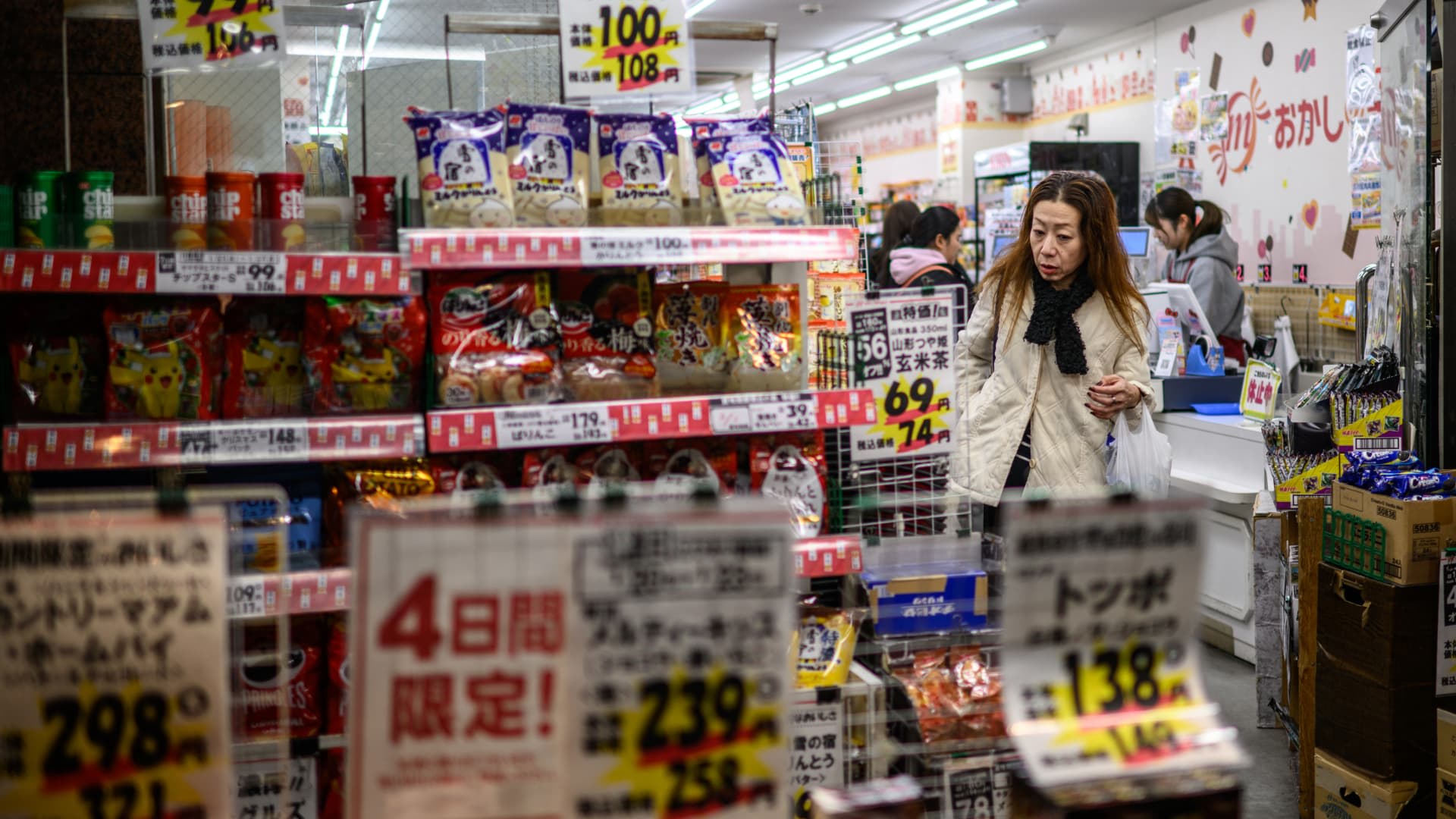
Japan's core inflation rose to 1.6% in June, matching economist forecasts as rising oil costs offset previous declines. While headline inflation ticked up to 1.7%, the 'core-core' metric reached a multi-year low, highlighting the complex impact of energy subsidies.
Japan's Inflation Landscape: A Mid-Year Assessment
Japan’s economic landscape saw a notable shift in June as core inflation rose to 1.6%, marking the first increase since March. This figure aligns precisely with the expectations of economists polled by Reuters, signaling a stabilizing, albeit modest, inflationary trend. By stripping out volatile fresh food prices, the core inflation metric provides a clearer view of the underlying price pressures currently affecting the Japanese economy.
The Role of Energy and Oil Prices
The primary driver behind this uptick is the rising cost of oil, which has begun to permeate broader economic sectors. The data indicates that the impact of these higher costs is no longer contained, spilling over into various consumer goods and services. This transition marks a departure from the previous trend of declining inflationary pressures that had characterized the early months of the year, forcing policymakers to reconsider the persistence of energy-related price hikes.
Analyzing Subsidies and Price Dynamics
Energy prices in June remained relatively stable, dipping only 0.1% year-on-year, a significant improvement from the 2.5% decline observed in May. This relative stability is largely attributed to government interventions. By implementing targeted subsidies, the Japanese government has effectively cushioned consumers from the full volatility of global energy markets. Consequently, charges for fuel, light, and water remained flat, effectively ending a six-month streak of consecutive declines.
The Divergence of 'Core-Core' Inflation
While the standard core inflation rate rose, the "core-core" inflation rate—which excludes both fresh food and energy—dipped to 1.7%. This represents the lowest level for this specific metric since August 2022. The divergence between the rising core inflation and the falling core-core rate suggests that inflationary pressure is heavily concentrated in the energy sector, rather than being a broad-based surge in consumer demand or wage-push inflation.
Broader Economic Implications
This data presents a nuanced picture for the Bank of Japan and fiscal authorities. While the headline inflation rate increased to 1.7% from May’s 1.5%, the reliance on subsidies to moderate energy costs remains a critical factor. The challenge for policymakers will be determining how to eventually phase out these supports without triggering a sharp spike in consumer costs, especially as the global oil market remains unpredictable.
Future Trends and Outlook
Looking ahead, the trajectory of Japan’s inflation will depend largely on global energy commodity prices and the government's fiscal strategy. If oil prices continue to climb, the effectiveness of existing subsidies will be tested, potentially leading to higher headline inflation in the coming months. Conversely, if energy markets stabilize, Japan may see a period of tempered, sustainable price growth, provided that the 'core-core' metrics do not continue their downward slide, which could otherwise indicate a lack of underlying economic momentum.