Mobileye CEO Amnon Shashua to step aside as company pushes into robotaxis, robotics
Source Entity
Kirsten Korosec
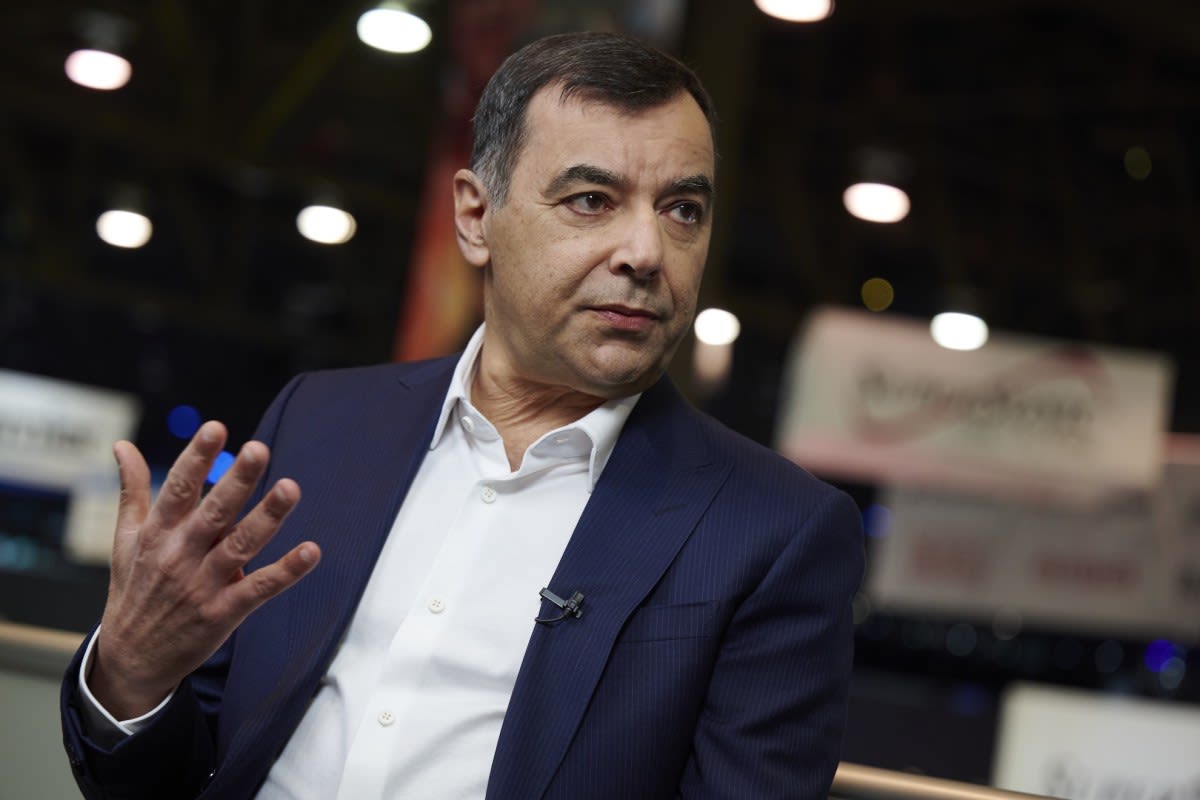
Mobileye founder Amnon Shashua is stepping down as CEO to transition into a chairman role as the company shifts focus toward robotaxis and robotics. He will remain in his current position until a successor is appointed.
A Leadership Transition at the Forefront of Autonomous Tech
Mobileye, the global leader in computer vision and driver-assistance technology, is entering a period of significant leadership evolution. Founder and CEO Amnon Shashua has announced his intention to step down from the helm of the company he built over three decades. This transition marks a pivotal moment for the organization as it pivots its strategic focus toward the next frontier of mobility: robotaxis and humanoid robotics. Shashua, who will continue to lead the company until a successor is identified and onboarded, has been invited to assume the role of chairman of the board, ensuring a level of continuity during this major corporate shift.
The Legacy of Innovation
The roots of Mobileye are deeply embedded in academic rigor, originating from Shashua’s foundational research at Hebrew University in Israel. What began as a venture into computer vision chips evolved into a cornerstone of modern automotive engineering. By providing the essential hardware and software for advanced driver-assistance systems (ADAS), Mobileye effectively standardized safety features that are now ubiquitous in modern vehicles. This technological dominance facilitated one of the most successful financial trajectories for an Israeli company, including a historic IPO and a landmark $15.3 billion acquisition by Intel in 2017.
Strategic Realignment and Corporate Structure
Following its 2022 spin-out as a publicly traded entity, Mobileye has navigated a complex relationship with its parent company, Intel, which retains a significant majority stake. This unique corporate structure has provided the company with both the stability of a tech giant's backing and the agility of an independent firm. The decision for Shashua to move to a board-level role coincides with the company's broader effort to transition from a supplier of safety chips to a provider of full-stack autonomous solutions, including specialized hardware for robotaxis.
The Future of Robotics and Automation
The company's expansion into robotaxis and humanoid robotics represents a high-stakes evolution in its business model. By moving beyond traditional automotive partnerships, Mobileye is attempting to capture the value of the 'software-defined vehicle' market. The success of this transition will depend heavily on the next CEO’s ability to maintain the company’s technological edge while scaling these new, capital-intensive projects. The shift toward robotics suggests that Mobileye intends to leverage its proprietary computer vision expertise into broader industrial and service-oriented applications.
Implications and Market Outlook
For investors and industry observers, the transition serves as a litmus test for Mobileye’s long-term independence. While Shashua’s move to the chairman seat suggests a desire to maintain his strategic influence, the search for a new CEO brings uncertainty regarding the company's operational speed. As Mobileye continues to integrate its vision-based technologies into autonomous mobility platforms, the leadership change will be scrutinized for its impact on the company’s ability to compete against both legacy automotive suppliers and emerging AI-driven robotics firms.
Conclusion
As Mobileye navigates this executive transition, the company stands at the intersection of its rich history in computer vision and an ambitious future in autonomous robotics. With Shashua providing guidance from the board, the company is positioned to continue its legacy of innovation. However, the success of its current pivot into robotaxis will ultimately depend on its new leadership’s capacity to navigate market competition and the technical complexities of next-generation autonomous systems.